
Learn how to build an Artificial Intelligence SOP that standardizes AI workflows, ensures compliance, and helps teams deploy AI safely and consistently.
Artificial Intelligence SOP

Artificial intelligence is no longer an experiment confined to research labs. It writes code, drafts emails, screens job applicants, and approves loans. Yet most organizations adopt these tools without a single written rule governing how they should be used. That gap is exactly why an Artificial Intelligence SOP has become one of the most important documents a modern business can own. A Standard Operating Procedure for AI turns scattered, risky experimentation into a repeatable, accountable process that protects both your data and your reputation.
In this guide, drawn from real implementation work with teams deploying AI across content, support, and operations, you will learn what an AI SOP is, what it must contain, and how to build one that people actually follow. Teams at agencies like ZoneTechify and WebPeak rely on documented procedures precisely because consistency is what separates safe AI adoption from costly mistakes.
Quick Answer: An Artificial Intelligence SOP is a written standard operating procedure that defines how an organization uses AI tools safely and consistently. It covers approved tools, data handling, human review, prompt standards, and compliance, ensuring every team member applies AI the same accountable way.
What Is an Artificial Intelligence SOP?
An Artificial Intelligence SOP is a documented set of step-by-step instructions that govern how people inside an organization use AI systems. Like any standard operating procedure, it removes guesswork: instead of each employee inventing their own approach, everyone follows the same vetted process.
Standard Operating Procedure (SOP): a formal document that describes the exact steps required to complete a recurring task consistently and correctly.
Applied to AI, the SOP answers practical questions. Which tools are approved? What data can be entered into a public model? Who reviews AI output before it reaches a customer? When must a human override the machine? Without these answers in writing, organizations expose themselves to data leaks, biased decisions, and inconsistent quality.
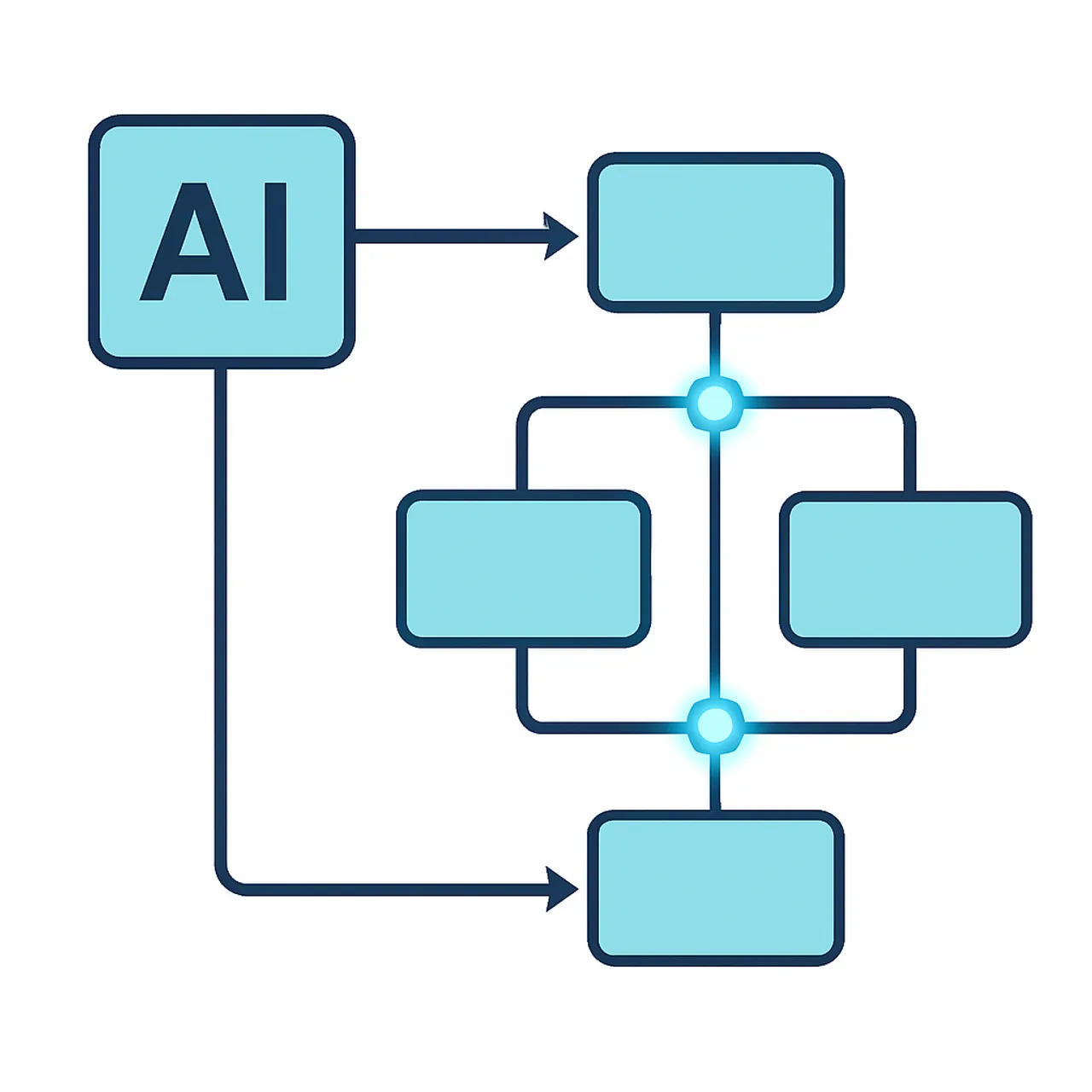
The stakes are measurable. According to IBM's Cost of a Data Breach report, the global average cost of a single breach reached USD 4.88 million in 2024, and improper handling of data fed into AI tools is a growing contributor. A well-written SOP is one of the cheapest forms of insurance against that figure.
Why Your Organization Needs an AI SOP Now
The pace of AI adoption has outrun the policies meant to guide it. A 2024 McKinsey survey found that 65% of organizations now use generative AI regularly, nearly double the previous year. Yet far fewer have written governance in place, creating a dangerous gap between usage and control.
An AI SOP closes that gap by delivering four concrete benefits:
- Consistency: every team member produces output that meets the same quality and tone standard.
- Risk reduction: clear data rules prevent confidential information from being exposed to external models.
- Faster onboarding: new hires learn approved AI practices in hours instead of weeks.
- Auditability: when something goes wrong, you can trace which process was followed and fix it.
Without these guardrails, a single careless prompt containing customer records or proprietary code can become a permanent liability. The SOP is what turns AI from a wildcard into a dependable asset.
Core Components of an Effective AI SOP
A strong Artificial Intelligence SOP is built from clearly defined sections. Each one removes a specific category of risk or ambiguity.

1. Scope and Approved Tools
State exactly which AI platforms are permitted and for what purposes. List approved tools by name, note their security tier, and explicitly ban unapproved shadow tools. This prevents employees from quietly pasting sensitive data into random free apps.
2. Data Handling Rules
Define what data may and may not be entered into AI systems. Categorize information as public, internal, confidential, and restricted, then map each category to allowed tools. Restricted data such as health records, payment details, or proprietary code should never touch a public model.
3. Prompt and Output Standards
Document how prompts should be written and how output must be reviewed. Include templates for common tasks, required fact-checking steps, and tone guidelines. This is where AI quality becomes repeatable rather than accidental.
4. Human Review and Accountability
Assign a named human owner for every AI-assisted deliverable. AI drafts; humans approve. Specify which outputs require mandatory review before publication, especially anything customer-facing, financial, or legal.
5. Compliance and Ethics
Reference the regulations that apply to your industry, such as GDPR, HIPAA, or the EU AI Act, and define how the SOP keeps you compliant. Include rules against using AI to deceive, discriminate, or fabricate.
AI SOP vs. No SOP: A Clear Comparison
The difference between operating with and without a documented procedure becomes obvious when you compare them side by side.
| Factor | With an AI SOP | Without an AI SOP |
|---|---|---|
| Data security | Clear rules prevent leaks | High risk of exposure |
| Output quality | Consistent and reviewed | Varies by person |
| Onboarding speed | Fast, documented | Slow, tribal knowledge |
| Regulatory compliance | Built in and traceable | Reactive and uncertain |
| Accountability | Named owners per task | Unclear responsibility |
| Scalability | Easy to expand | Breaks under growth |
This table illustrates why mature organizations treat the SOP as foundational infrastructure rather than optional paperwork.
How to Build Your AI SOP: A Step-by-Step Process
Building an effective SOP does not require a legal team. Follow this practical sequence used by experienced implementation teams.
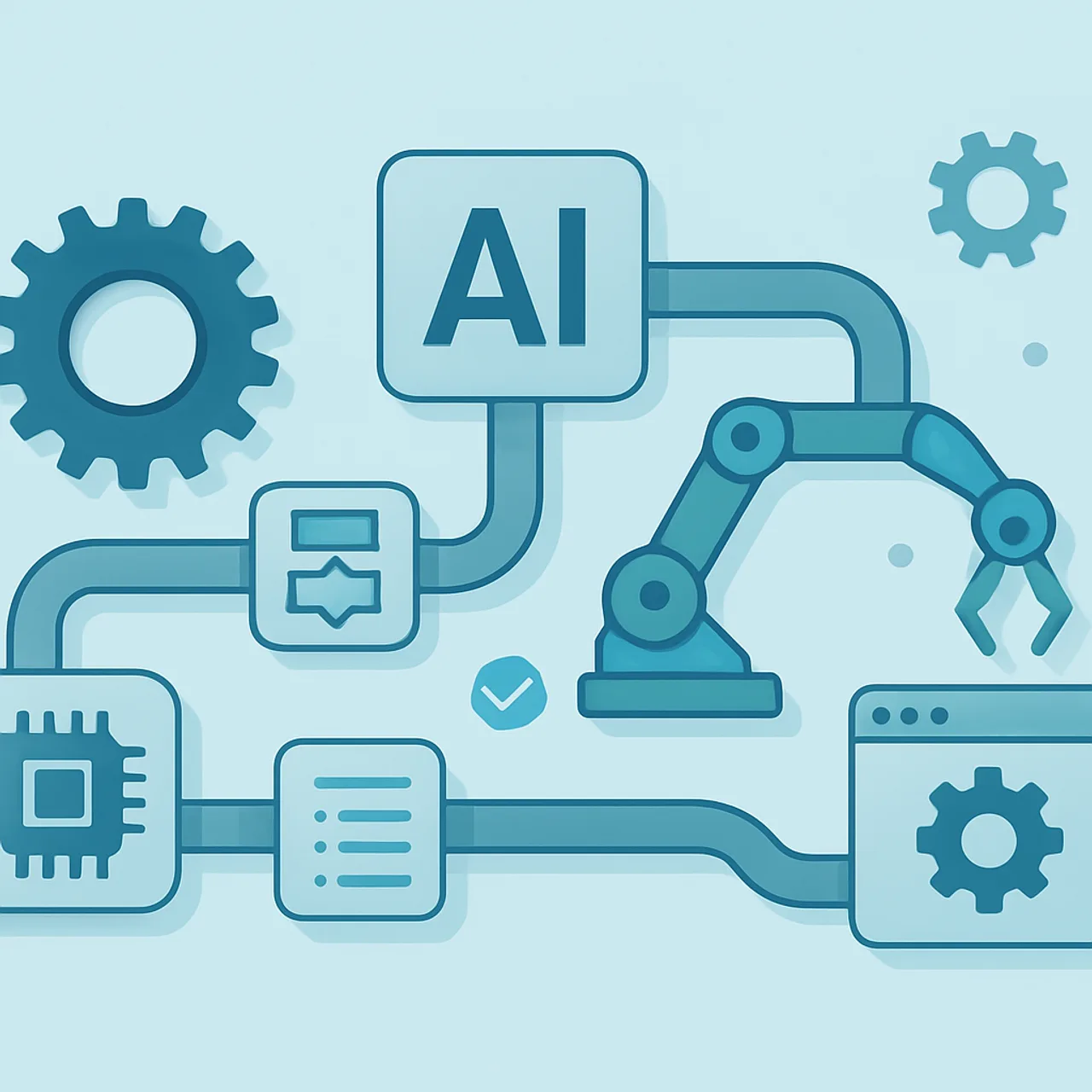
- Audit current usage. Survey your teams to learn which AI tools they already use and for what. You cannot govern what you cannot see.
- Classify your data. Sort information into public, internal, confidential, and restricted tiers before writing any rules.
- Select and approve tools. Vet platforms for security, then publish an approved list with clear use cases.
- Write task-level procedures. For each common workflow, document the exact prompt approach, review steps, and approval chain.
- Assign ownership. Name a person accountable for each AI-assisted process and for the SOP itself.
- Train your team. A document no one reads is worthless. Run short, hands-on training sessions.
- Review quarterly. AI tools change monthly, so schedule regular updates to keep the SOP current.
If your organization needs help designing automated, AI-driven workflows, professional artificial intelligence services can accelerate the process and bake compliance in from day one.
Common Mistakes to Avoid
Even well-intentioned teams stumble when writing their first AI SOP. Watch for these recurring errors.

- Making it too long. A 40-page document gets ignored. Keep it concise, scannable, and action-oriented.
- Writing it once and forgetting it. An outdated SOP is worse than none because it creates false confidence.
- Ignoring shadow AI. If you only ban tools without offering approved alternatives, employees will use them in secret.
- Skipping human review. Treating AI output as final truth invites factual errors and reputational damage.
- Forgetting training. Distribution is not adoption. People follow procedures they understand and practice.
Avoiding these pitfalls is often the difference between a living document and a forgotten file on a shared drive.
Governance, Compliance, and Trust
Governance is the backbone of any credible AI SOP. As regulators move faster, documented procedures are becoming a legal expectation rather than a courtesy.
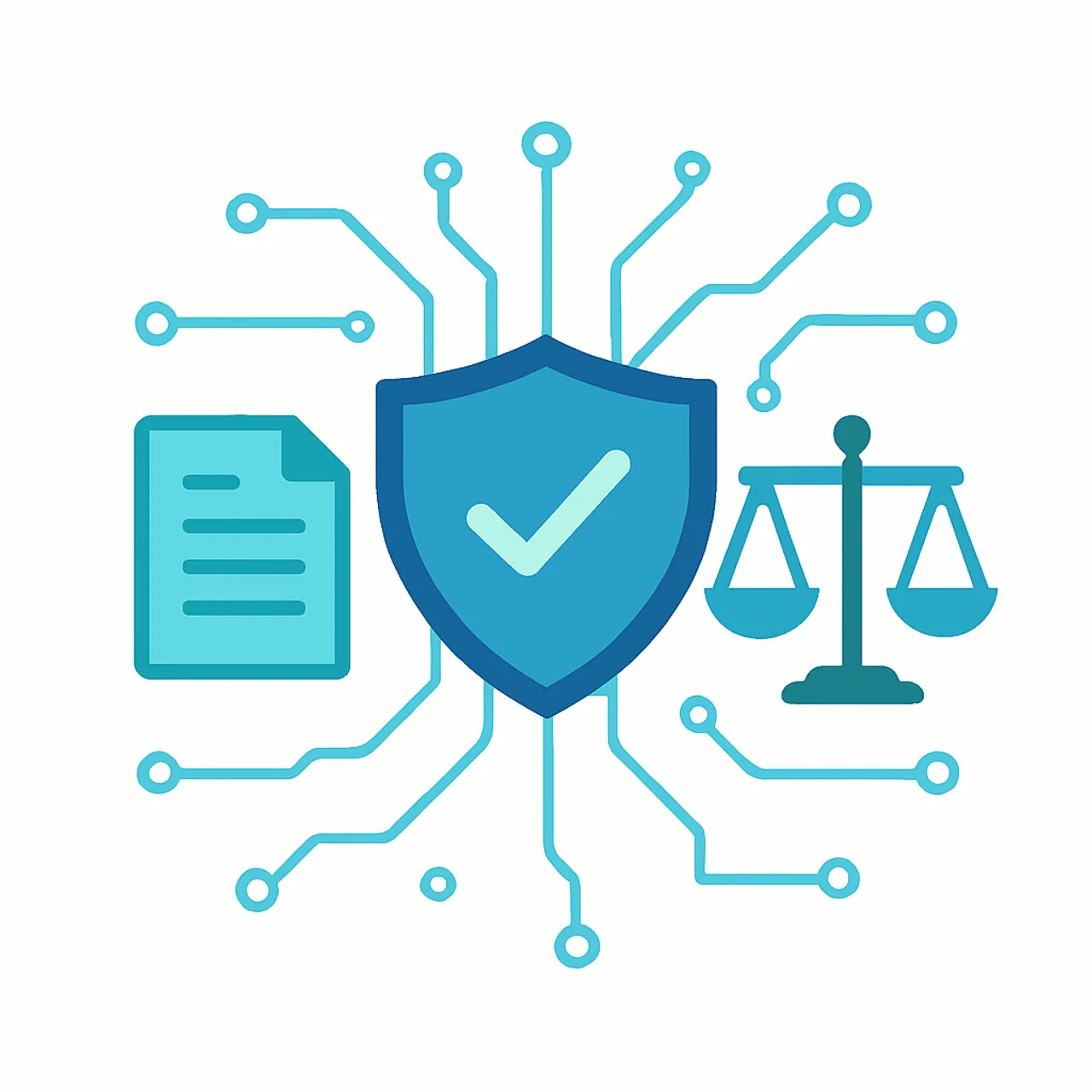
The EU AI Act, which entered into force in 2024, introduces tiered obligations based on risk, and organizations that cannot demonstrate documented controls face penalties reaching into the millions of euros. A clear SOP provides the evidence trail regulators expect: who approved a tool, how data was protected, and where human oversight occurred.
Trust extends beyond regulators to your customers. When clients know AI-assisted work passes through a defined review process, they have confidence in the outcome. Governance, in other words, is not a brake on innovation. It is the seatbelt that lets you move faster with less fear.
The Future of AI SOPs
AI SOPs are evolving from static documents into living, integrated systems. The next generation will be embedded directly into the tools teams use every day.

Expect SOPs to merge with automated guardrails that block restricted data in real time, log every AI interaction for auditing, and prompt mandatory reviews automatically. As autonomous AI agents take on multi-step tasks, procedures will increasingly govern not just human behavior but machine behavior too, defining the boundaries within which agents may act independently. Organizations that treat the SOP as evolving infrastructure today will adapt to these changes far more smoothly than those still relying on informal habits.
Key Takeaways
- An Artificial Intelligence SOP is a documented procedure that standardizes how an organization uses AI safely and consistently.
- McKinsey reports 65% of organizations now use generative AI regularly, yet far fewer have written governance.
- IBM data shows the average data breach cost reached USD 4.88 million in 2024, making data-handling rules essential.
- Core SOP components include approved tools, data classification, prompt standards, human review, and compliance.
- The EU AI Act now makes documented AI controls a regulatory expectation, not an option.
- Review your SOP quarterly because AI tools and regulations change rapidly.
Frequently Asked Questions (FAQ)
What is an artificial intelligence SOP?
An artificial intelligence SOP is a written standard operating procedure that defines how an organization uses AI tools. It specifies approved platforms, data handling rules, prompt standards, human review steps, and compliance requirements so every team member uses AI safely and consistently rather than improvising.
Why does my business need an AI SOP?
Your business needs an AI SOP because unmanaged AI use risks data leaks, biased decisions, and inconsistent quality. A documented procedure ensures security, faster onboarding, regulatory compliance, and clear accountability. It transforms AI from an unpredictable wildcard into a dependable, auditable business asset that scales safely.
What should an AI SOP include?
An effective AI SOP should include the scope and list of approved tools, data classification and handling rules, prompt and output standards, mandatory human review steps, named accountability owners, and compliance references for regulations like GDPR or the EU AI Act relevant to your industry.
How often should an AI SOP be updated?
An AI SOP should be reviewed at least quarterly because AI tools, model capabilities, and regulations change rapidly. Schedule formal updates whenever you adopt a new tool, face a new regulation, or discover a gap. An outdated SOP creates false confidence and can be riskier than none.
Who is responsible for following the AI SOP?
Everyone who uses AI tools is responsible for following the AI SOP, but each AI-assisted process should also have a named owner accountable for review and approval. Leadership owns the document itself, ensuring it stays current, communicated, and enforced through regular training across all teams.