
A practical guide to artificial intelligence psychology jobs, covering real roles, required skills, salaries, and how to break into this fast-growing career field.
Artificial Intelligence Psychology Jobs
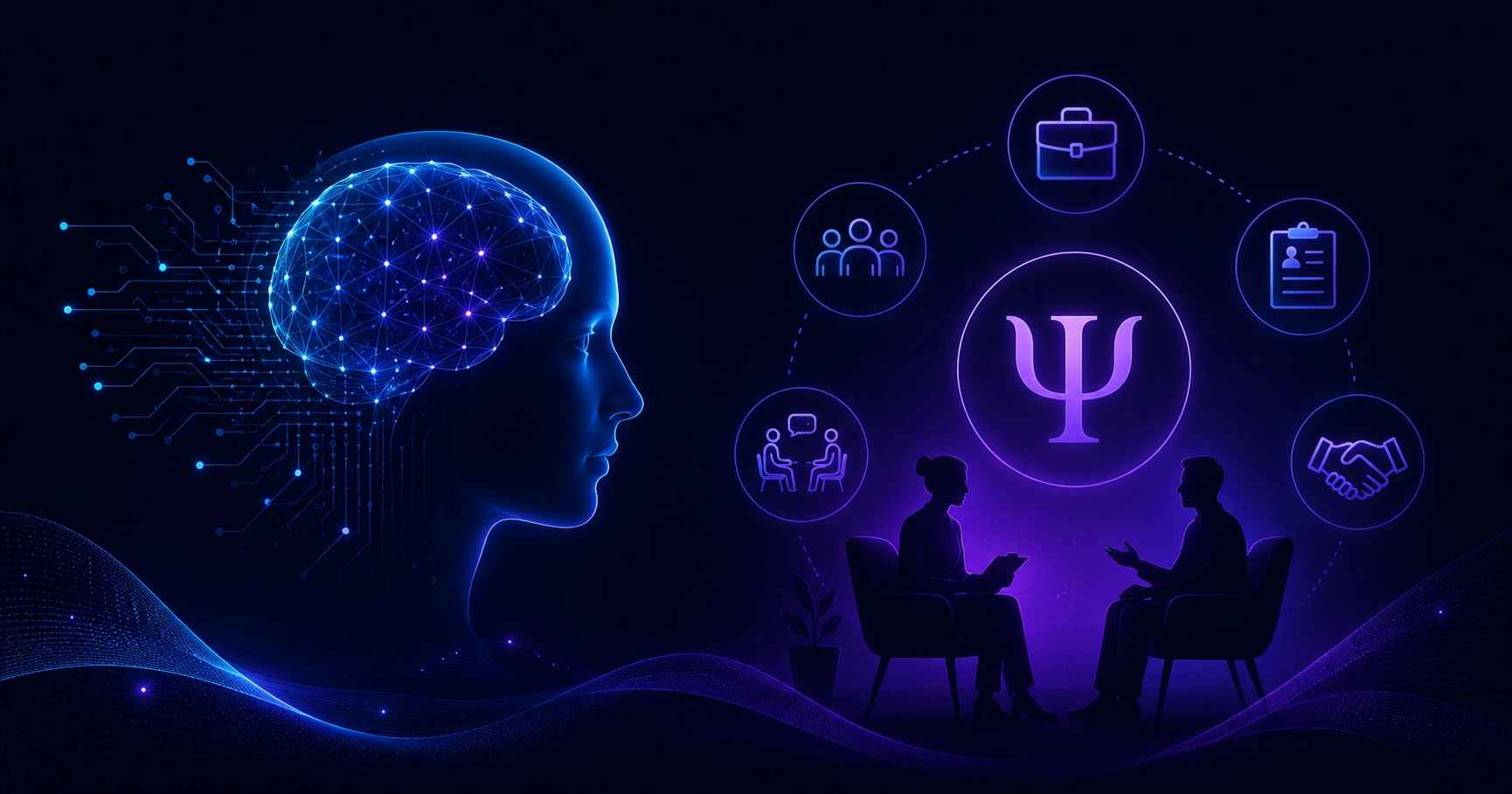
Artificial intelligence is no longer just an engineering problem. As AI systems begin to advise, persuade, diagnose, and converse with billions of people, the human mind has become central to how these tools are built. That shift has created a brand-new career category: artificial intelligence psychology jobs. These roles sit where human behavior meets machine intelligence, and demand for them is rising faster than most universities can train people.
If you have a background in psychology, behavioral science, or human-computer interaction and you are curious about technology, this is one of the most future-proof directions you can take. Below, drawing on how AI teams actually hire and operate, we break down the real jobs, the skills that matter, what they pay, and how to enter the field.
Quick Answer: Artificial intelligence psychology jobs are roles that apply psychological science to AI systems, including human-AI interaction designers, behavioral researchers, AI ethicists, conversation designers, and mental health technologists. They blend psychology, data literacy, and product thinking to make AI safer, more human, and more effective.
What Are Artificial Intelligence Psychology Jobs?
Artificial intelligence psychology jobs are positions that use the science of human thought, emotion, and behavior to shape how AI systems are designed and how people interact with them. Instead of building the models, these professionals study and influence the human side of the equation: trust, comprehension, bias, persuasion, and wellbeing.
Key definition: AI psychology is the applied field that combines psychological research methods with AI development to predict, measure, and improve how humans respond to intelligent systems.
These jobs exist because technical accuracy is not enough. A chatbot can be factually correct and still confuse, mislead, or upset a user. A recommendation engine can be efficient and still manipulate. Psychologists help teams understand those human consequences before products ship.

Why Demand Is Growing Fast
The surge is driven by adoption and risk. According to the Stanford AI Index, private investment in artificial intelligence reached roughly 96 billion dollars globally in a single recent year, and enterprise adoption of generative AI has more than doubled across many sectors. Every one of those deployments touches real users, and companies have learned that ignoring human factors is expensive.
There is also a labor signal. The World Economic Forum's Future of Jobs research projects that AI and information-processing technologies will be among the fastest-growing drivers of new roles this decade, with strong demand for workers who pair technical fluency with human-centered skills. Psychology graduates who add data literacy fit that profile precisely.
Governing bodies add further pressure. New AI regulations increasingly require transparency, fairness testing, and risk assessment, all of which depend on people who understand human perception and harm, not just code.
The Main Roles to Know
Artificial intelligence psychology jobs are not one title. They span several distinct tracks, each answering a different question about the human-machine relationship.
Human-AI Interaction Researcher
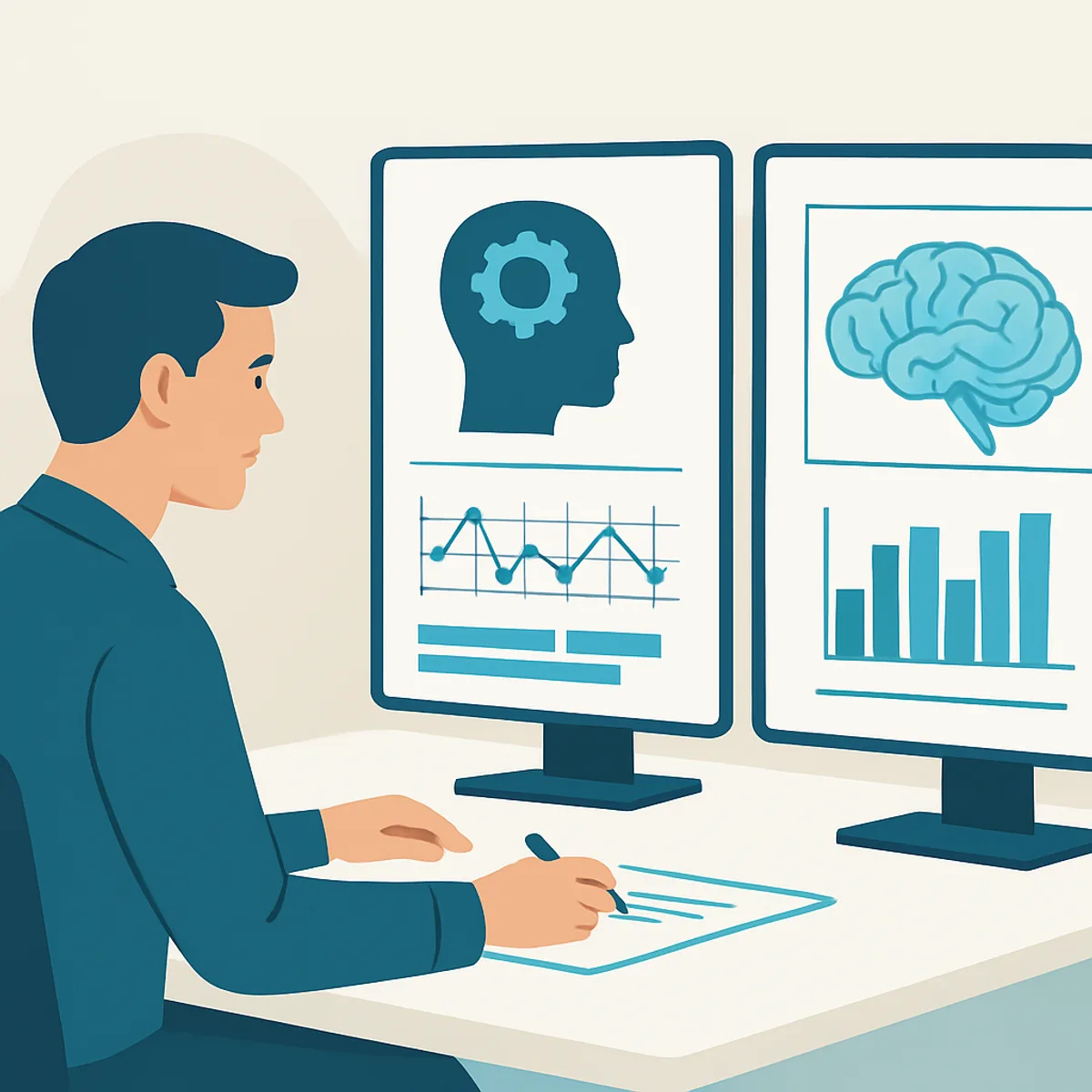
This role studies how real people use AI products and where they struggle. Researchers run usability tests, analyze conversation logs, and measure trust and satisfaction. The output is evidence that directly changes product decisions. A background in experimental psychology or HCI is ideal here.
Conversation and Interaction Designer
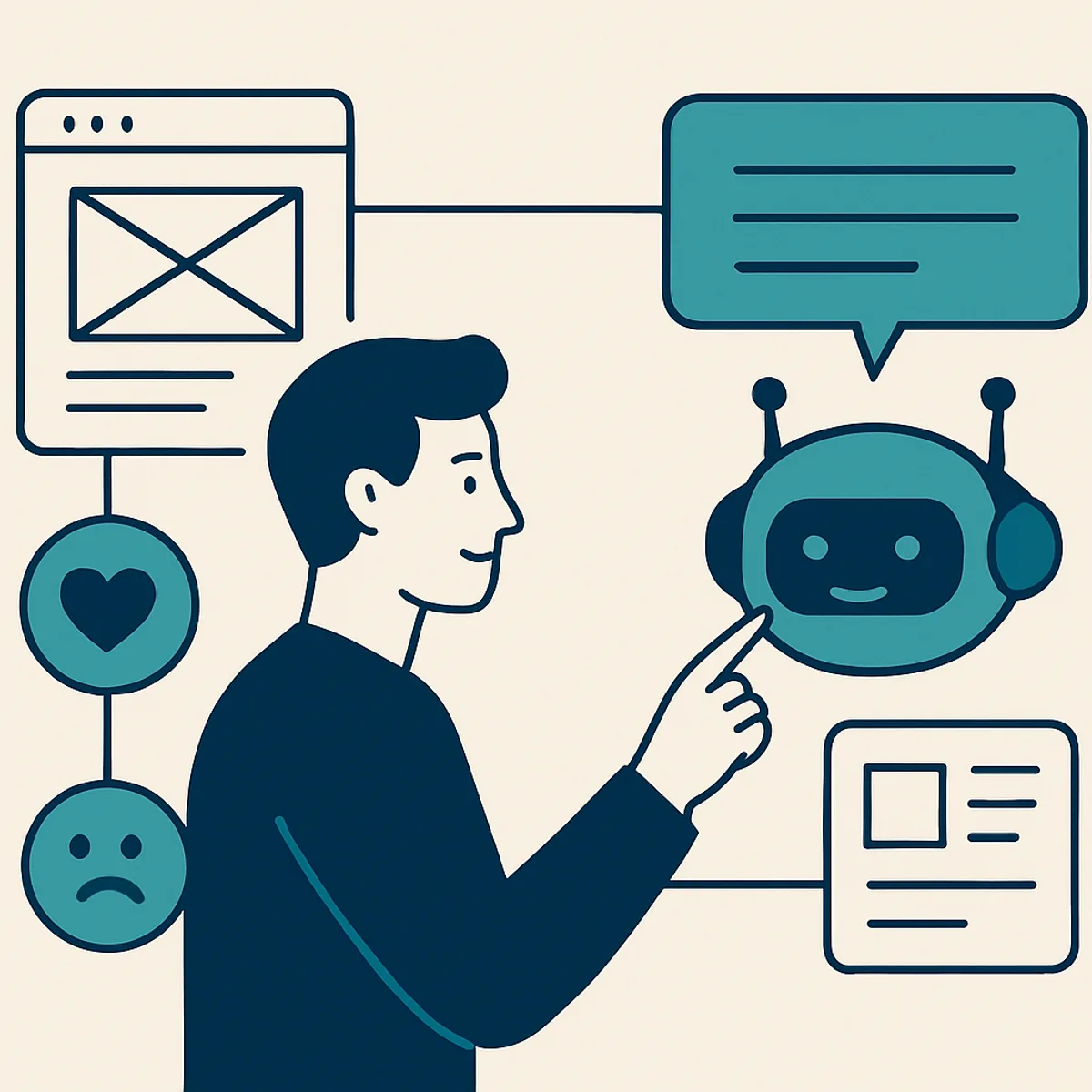
Conversation designers craft how AI assistants speak, apologize, set boundaries, and recover from errors. They apply principles of cognitive load, tone, and persuasion so interactions feel natural and safe. This is one of the most accessible entry points for psychology and linguistics graduates.
AI Ethicist and Responsible AI Specialist
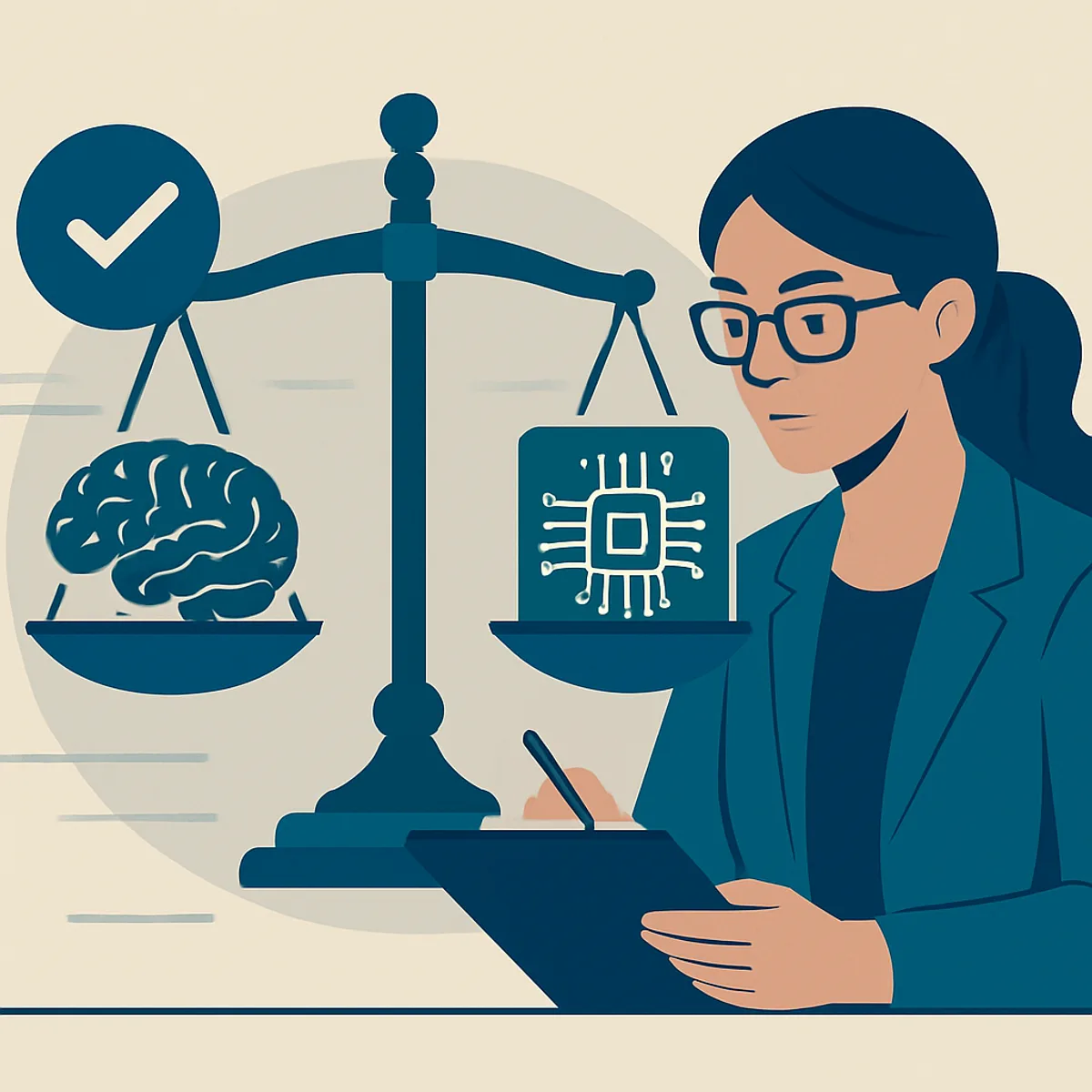
These professionals identify how AI systems might cause psychological or social harm, from reinforcing bias to encouraging unhealthy engagement. They build review frameworks, run fairness audits, and advise leadership. Strong knowledge of cognitive bias and research ethics is essential.
Mental Health Technologist
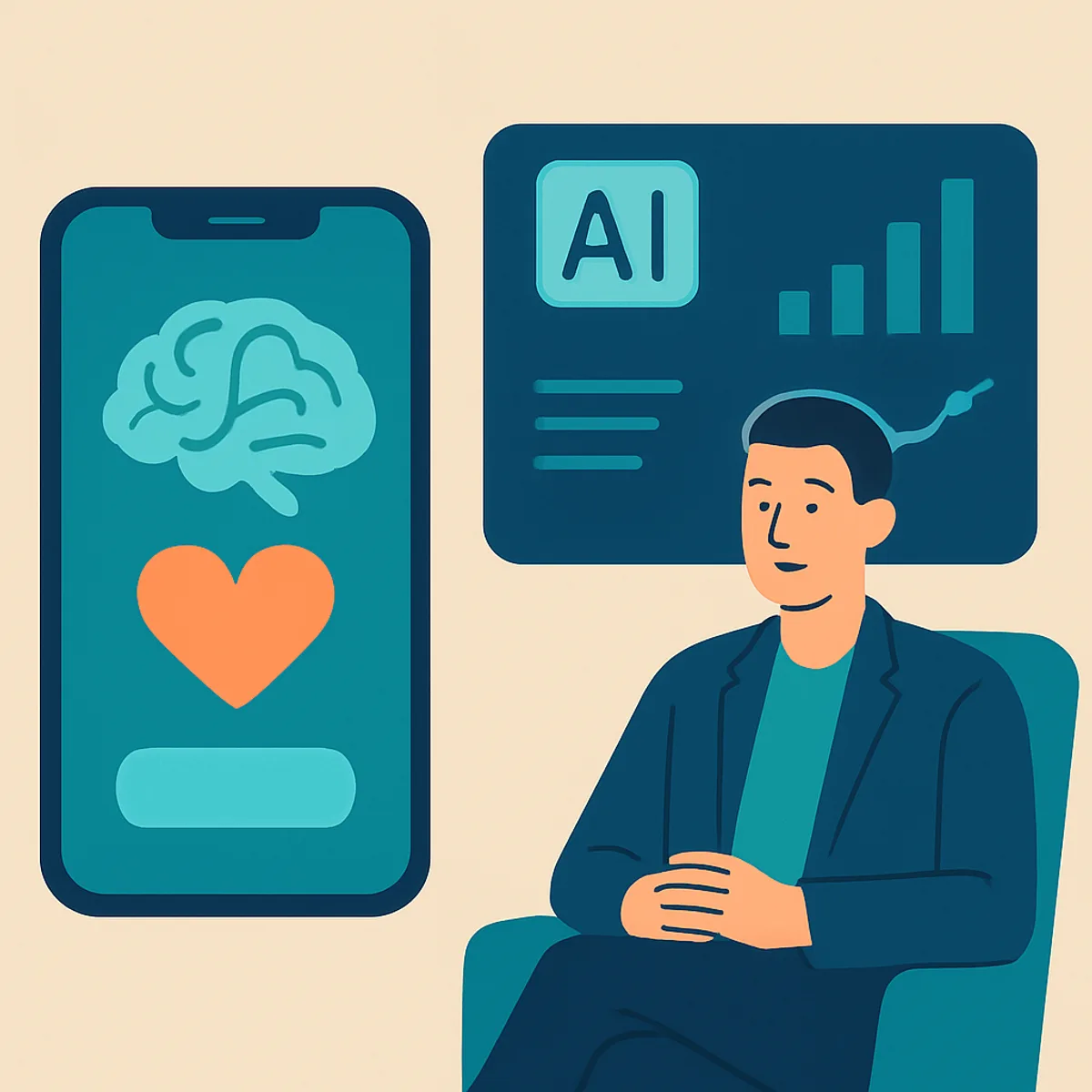
As therapy apps, mood trackers, and AI companions expand, clinically trained psychologists are needed to ensure these tools are safe, evidence-based, and appropriately cautious. This track often requires a clinical license alongside technical collaboration skills.
Behavioral Data Scientist
This hybrid role applies statistical modeling to behavioral questions: who trusts AI, who over-relies on it, and how to design healthier defaults. It suits people who enjoy both psychology and quantitative analysis.
Salary and Outlook Comparison
Compensation varies by track, seniority, and whether the role is technical. The table below offers realistic ranges based on current market patterns in the United States.
| Role | Typical Background | Approx. Salary Range (USD) | Demand Trend |
|---|---|---|---|
| Human-AI Interaction Researcher | Experimental psych, HCI | 95,000 - 150,000 | High |
| Conversation Designer | Psychology, linguistics | 80,000 - 130,000 | High |
| AI Ethicist | Psychology, philosophy, law | 110,000 - 180,000 | Very High |
| Mental Health Technologist | Clinical psychology | 90,000 - 160,000 | Growing |
| Behavioral Data Scientist | Psych plus statistics | 110,000 - 175,000 | Very High |
Ranges are indicative and shift with location and company size, but the direction is consistent: roles blending psychology with data or ethics command the strongest premiums.
Skills You Actually Need
Breaking into artificial intelligence psychology jobs requires a deliberate blend of human-science depth and technical comfort. Based on how hiring teams screen candidates, prioritize these:
- Research methods: Experimental design, surveys, and qualitative interviewing remain the core of credibility.
- Data literacy: Comfort with statistics and basic Python or SQL lets you analyze behavior at scale.
- Understanding of AI basics: You do not need to train models, but you must understand how large language models and recommendation systems behave.
- Ethics and bias knowledge: Fluency in cognitive bias and fairness frameworks is increasingly mandatory.
- Communication: Translating human insight into product decisions is what makes you valuable to engineers.
How to Break Into the Field
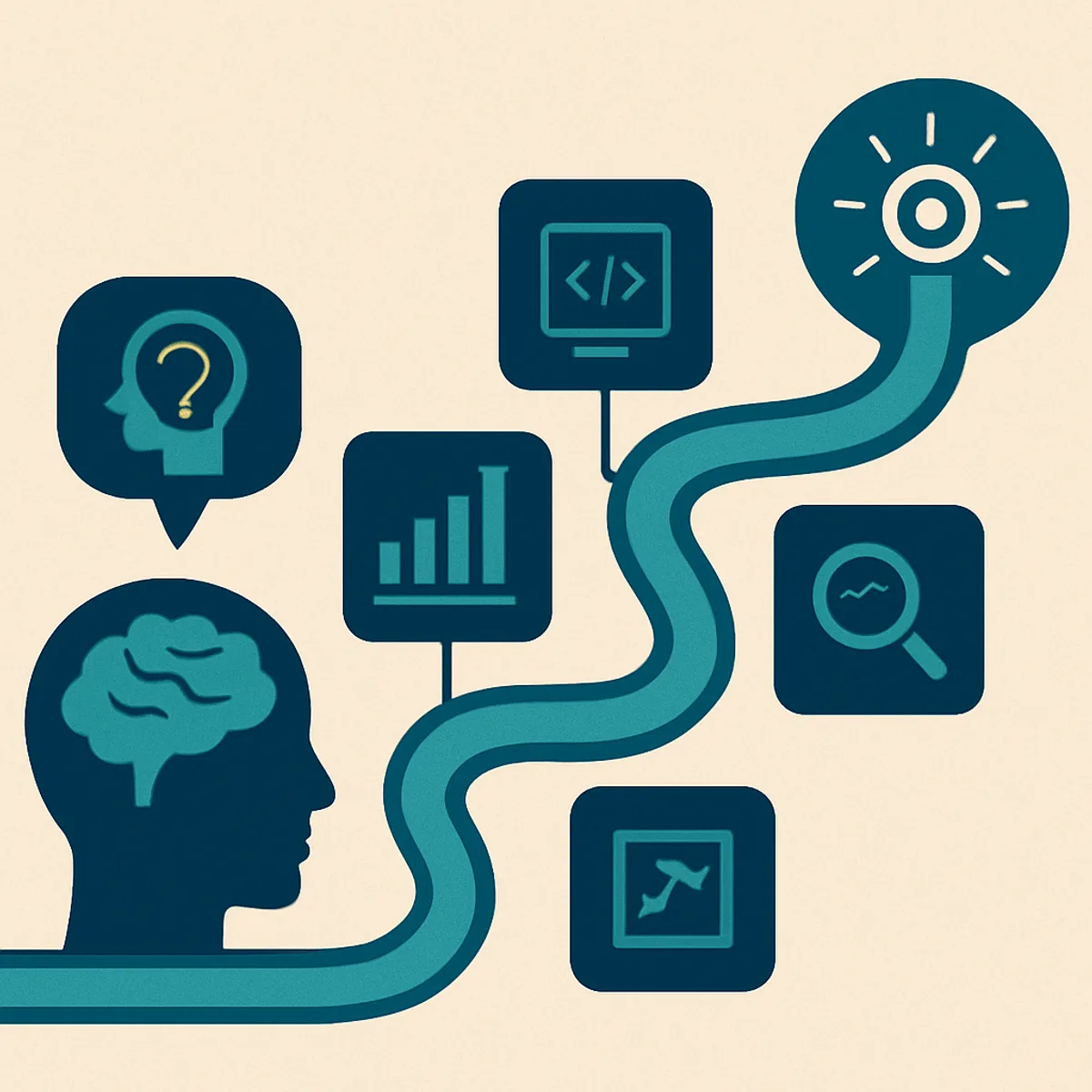
The fastest path is to combine what you already know with a visible AI portfolio. Take a structured AI literacy course, then run a small study of your own, such as analyzing how people react to a chatbot's tone, and write it up publicly. Practical artifacts beat credentials in this space.
Networking matters too. Many of these roles are created informally inside product teams, so follow responsible AI researchers, join HCI communities, and contribute thoughtful commentary. If you are building AI-driven products and want experienced help connecting psychology with technical execution, the artificial intelligence services at ZoneTechify show how human-centered thinking is applied in real deployments. For broader guidance on launching digital and AI projects, ZoneTechify and WebPeak both publish practical, experience-based resources.
Finally, target adjacent roles first. A user researcher or product analyst position at an AI company is often a stepping stone into a dedicated psychology-focused role once you prove your value.
The Future of AI Psychology Careers
Expect specialization to deepen. As AI agents act more autonomously, demand will grow for experts who can predict how humans delegate trust to machines and where that goes wrong. Roles in AI safety, agent alignment from a behavioral angle, and digital wellbeing are likely to become mainstream job titles within a few years.
The professionals who thrive will treat AI as a collaborator to study, not a threat to avoid. Psychology gives you the rare ability to ask the question engineers often miss: not can we build this, but how will people actually feel, behave, and be affected when we do.
Key Takeaways
- Artificial intelligence psychology jobs apply psychological science to make AI systems safer, clearer, and more human-centered.
- Core tracks include interaction researcher, conversation designer, AI ethicist, mental health technologist, and behavioral data scientist.
- Global AI investment reached roughly 96 billion dollars in a recent year, fueling demand for human-factors expertise.
- The World Economic Forum projects AI-related roles among the fastest growing this decade.
- The strongest candidates combine research methods, data literacy, and a working understanding of how AI systems behave.
Frequently Asked Questions (FAQ)
What jobs combine psychology and artificial intelligence?
Jobs that combine psychology and AI include human-AI interaction researcher, conversation designer, AI ethicist, mental health technologist, and behavioral data scientist. These roles use psychological methods to study trust, bias, and behavior so AI products are safer, easier to use, and more genuinely helpful to people.
Do I need a coding background for AI psychology jobs?
Not always. Many roles value research and behavioral expertise over programming. However, basic data literacy, such as statistics and some Python or SQL, makes you far more competitive. You should understand how AI systems behave, even if you never build the underlying models yourself.
How much do artificial intelligence psychology jobs pay?
Salaries typically range from around 80,000 to 180,000 US dollars, depending on the role and seniority. Ethics specialists and behavioral data scientists often earn the most, while conversation designers offer a more accessible entry point with strong long-term growth potential.
Is AI going to replace psychologists?
No. AI is more likely to expand demand for psychologists who can guide, audit, and humanize these systems. Clinical judgment, ethical reasoning, and understanding of human emotion remain difficult to automate, and they are exactly the skills AI companies increasingly need.
What degree is best for AI psychology careers?
Degrees in psychology, cognitive science, human-computer interaction, or behavioral science are strong foundations. Adding short courses in data analysis and AI fundamentals greatly improves your prospects. Practical portfolio projects often matter more to employers than the specific degree title itself.