
Artificial intelligence made simple: learn what AI is, how it works, real everyday examples, and how to start using AI tools today in this clear guide.
Artificial Intelligence Made Simple
Artificial intelligence sounds complicated, but the core idea is refreshingly simple: it is software that learns from examples instead of following rigid, hand-written rules. If you have ever asked a phone for directions, unlocked a device with your face, or received a "you might also like" suggestion, you have already used AI. This guide strips away the jargon and explains, in plain English, what AI is, how it works, and how you can use it with confidence.
Having spent years helping non-technical teams adopt AI tools, the biggest lesson I keep returning to is this: you do not need to understand the math to benefit from the technology. You need a clear mental model. That is exactly what you will get here — practical explanations, real examples, and honest limits, without the hype that clouds most AI conversations.
Quick Answer: Artificial intelligence is software that learns patterns from data to make predictions or decisions without being explicitly programmed for every case. In simple terms, AI studies examples, spots patterns, and applies them to new situations — powering tools like voice assistants, recommendations, and chatbots.
What Is Artificial Intelligence?
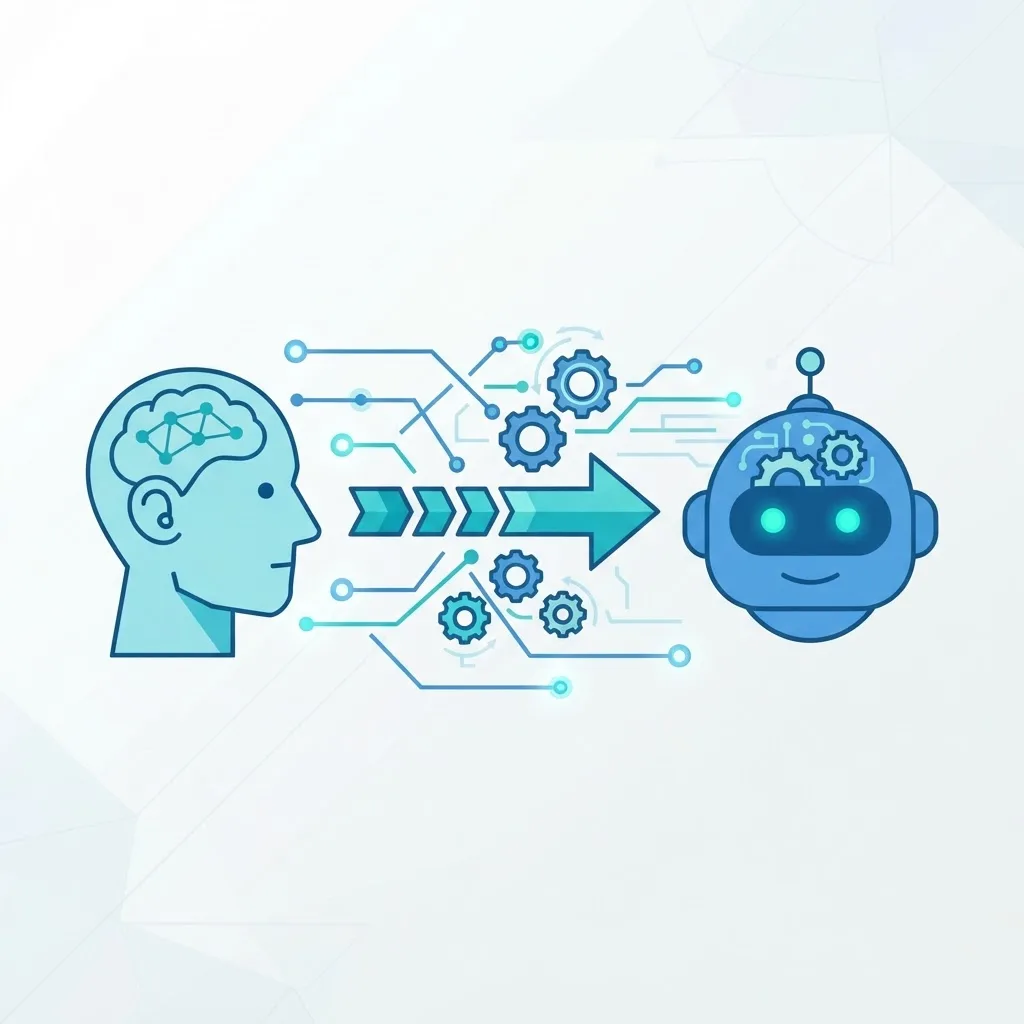
Artificial intelligence (AI) is the field of building computer systems that perform tasks normally requiring human intelligence, such as recognizing speech, understanding language, or making decisions. Instead of coding every rule by hand, developers feed the system large amounts of data and let it learn the patterns on its own.
A helpful definition to remember: AI is pattern recognition at scale. A traditional program follows fixed instructions ("if X, then Y"). An AI system studies thousands or millions of examples and figures out the rules itself. This shift is why AI can handle messy, real-world tasks — like understanding a typo-filled sentence — that were nearly impossible with older software.
There are two broad types worth knowing. Narrow AI is designed for one specific task, like filtering spam or translating text; this describes every AI system in use today. General AI, a machine that can reason across any task like a human, does not yet exist and remains a research goal. Understanding that distinction alone clears up most fears about AI "taking over."
How Does AI Actually Work?
AI works by turning examples into a mathematical model that can make predictions. The process has three repeatable stages, and understanding them removes almost all of the mystery around how these systems arrive at their answers.

The Three Building Blocks of AI
- Data — Everything starts with examples: images, text, numbers, or sounds. Quality matters more than quantity; biased or messy data produces a biased or unreliable model.
- Training — An algorithm studies the data and adjusts its internal settings until its predictions match the correct answers. This is where "learning" actually happens.
- Inference — Once trained, the model is given new, unseen input and produces an output — a prediction, classification, or generated response.
Think of it like teaching a child to recognize dogs. You show many photos labeled "dog," the child gradually notices patterns (four legs, fur, a tail), and eventually identifies a dog they have never seen before. AI follows the same logic, just at enormous scale and speed.
Machine Learning: The Engine Behind Modern AI
Machine learning (ML) is the subset of AI that gives systems the ability to learn from data without being explicitly programmed. Nearly every AI product you use today runs on machine learning, so the terms are often used interchangeably — though ML is technically one part of the larger AI field.
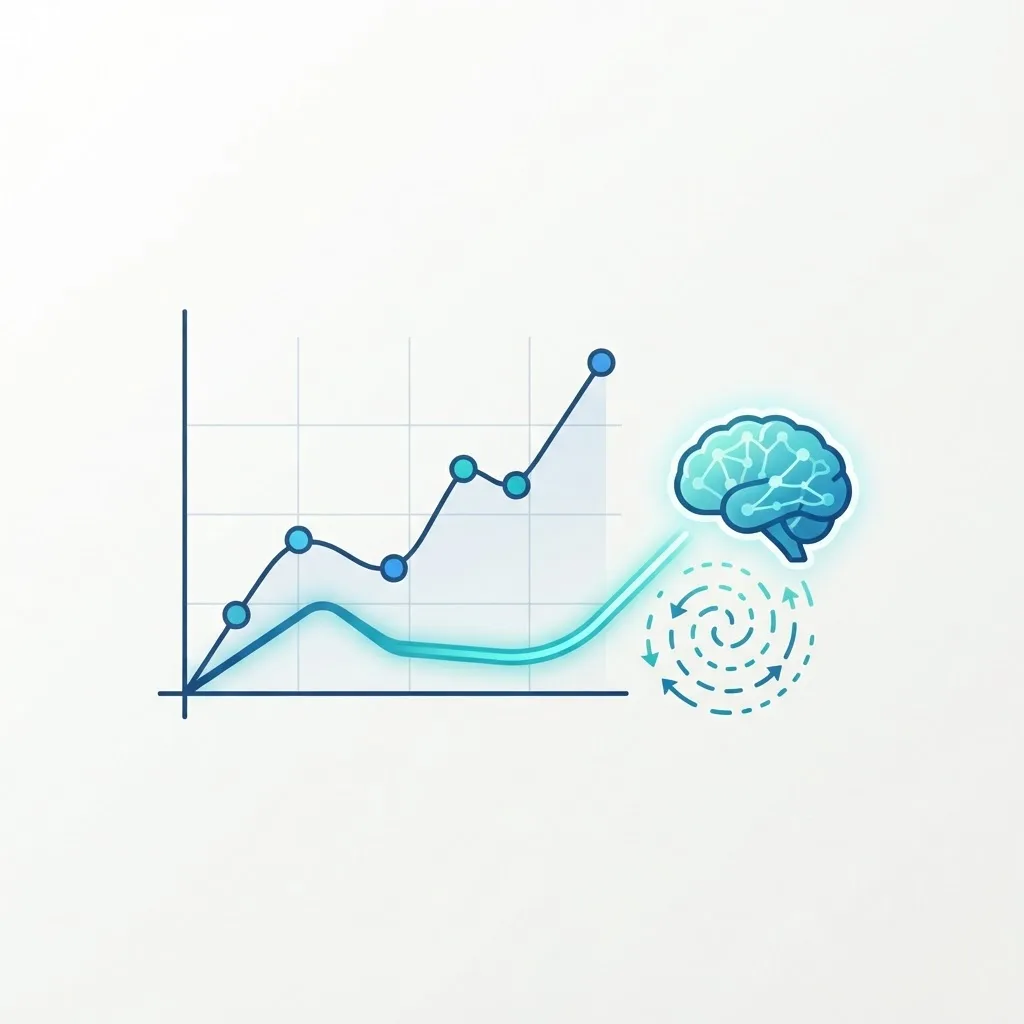
The most powerful modern branch is deep learning, which uses neural networks loosely inspired by the human brain. These networks stack layers that each detect increasingly complex features. According to Stanford's AI Index Report, the cost to train and run these models has fallen dramatically in recent years, which is why advanced AI is now available to small businesses and individuals, not just tech giants.
Large language models (LLMs) — the technology behind popular chatbots — are a form of deep learning trained on vast amounts of text. They predict the most likely next word in a sequence, which, repeated billions of times, produces surprisingly coherent and useful answers. Knowing this also explains their main weakness: they predict plausible text, so they can sound confident while being wrong.
AI in Everyday Life: You Already Use It
AI is not a distant, futuristic technology — it is already woven into daily routines, often invisibly. Recognizing these examples makes the whole concept far less intimidating and far more practical.
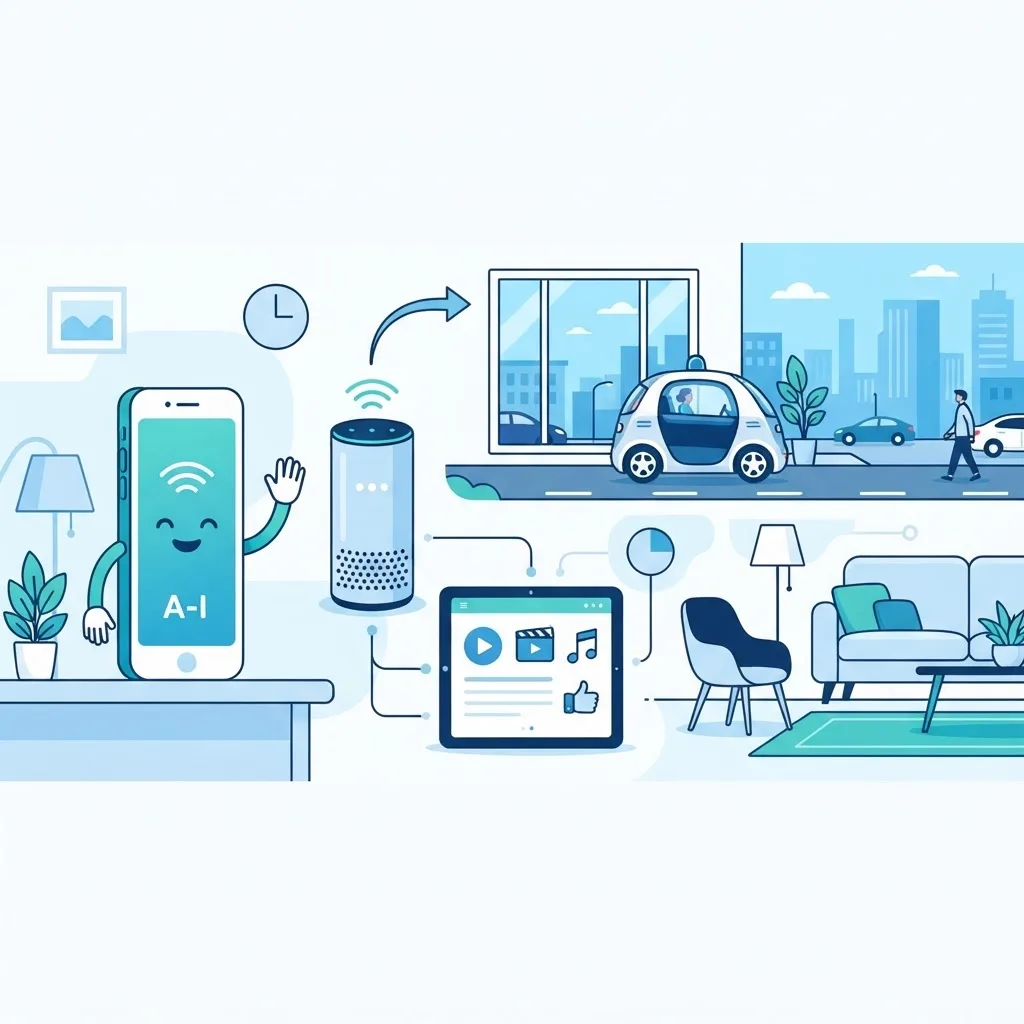
- Navigation apps predict traffic and reroute you in real time.
- Streaming and shopping platforms recommend content and products based on your behavior.
- Email providers filter spam and suggest quick replies.
- Voice assistants convert speech to text and answer questions.
- Banking systems flag suspicious transactions within seconds.
According to McKinsey research, a majority of organizations now report using AI in at least one business function — a sharp rise from just a few years earlier. The takeaway is clear: AI adoption is no longer optional for competitive businesses. It is quickly becoming the baseline expectation.
AI Tools That Help Businesses Grow
For businesses, AI's biggest value is automating repetitive work and surfacing insights hidden in data. You do not need to build models from scratch; ready-made tools handle everything from writing to analytics. Agencies such as ZoneTechify and WebPeak help companies integrate these tools responsibly, and specialized AI services can tailor solutions to specific workflows.
Here is how AI-powered approaches compare with traditional methods:
| Task | Traditional Approach | AI-Powered Approach |
|---|---|---|
| Customer support | Manual replies, limited hours | 24/7 chatbots, instant answers |
| Content creation | Slow, fully manual | Draft generation in seconds |
| Data analysis | Spreadsheets and guesswork | Automated pattern detection |
| Marketing | One-size-fits-all | Personalized at scale |
The goal is not to replace people but to remove tedious tasks so teams can focus on strategy, creativity, and relationships — the things humans still do best. Used well, AI acts as a force multiplier rather than a substitute for human judgment.
The Future of Artificial Intelligence
AI's future is less about robots taking over and more about intelligent assistance becoming ambient — quietly embedded in the tools you already use. Expect AI to grow more multimodal (handling text, images, and audio together), more personalized, and more transparent as regulations mature.
The most important shift will be trust. As AI influences decisions in healthcare, finance, and hiring, expectations for fairness, explainability, and human oversight will rise sharply. Responsible adoption — knowing when to rely on AI and when to keep a human in the loop — will define the organizations that thrive in the next decade.
How to Get Started With AI Today
You can begin using AI in minutes, with no technical background required. Start small and build confidence with these steps:
- Pick one repetitive task you do weekly — writing emails, summarizing notes, or brainstorming ideas.
- Choose a mainstream AI tool and give it clear, specific instructions.
- Review every output critically — AI can be confidently wrong, so verify facts before you act.
- Iterate on your prompts — better instructions produce dramatically better results.
- Expand gradually into analytics, design, or automation once you feel comfortable.
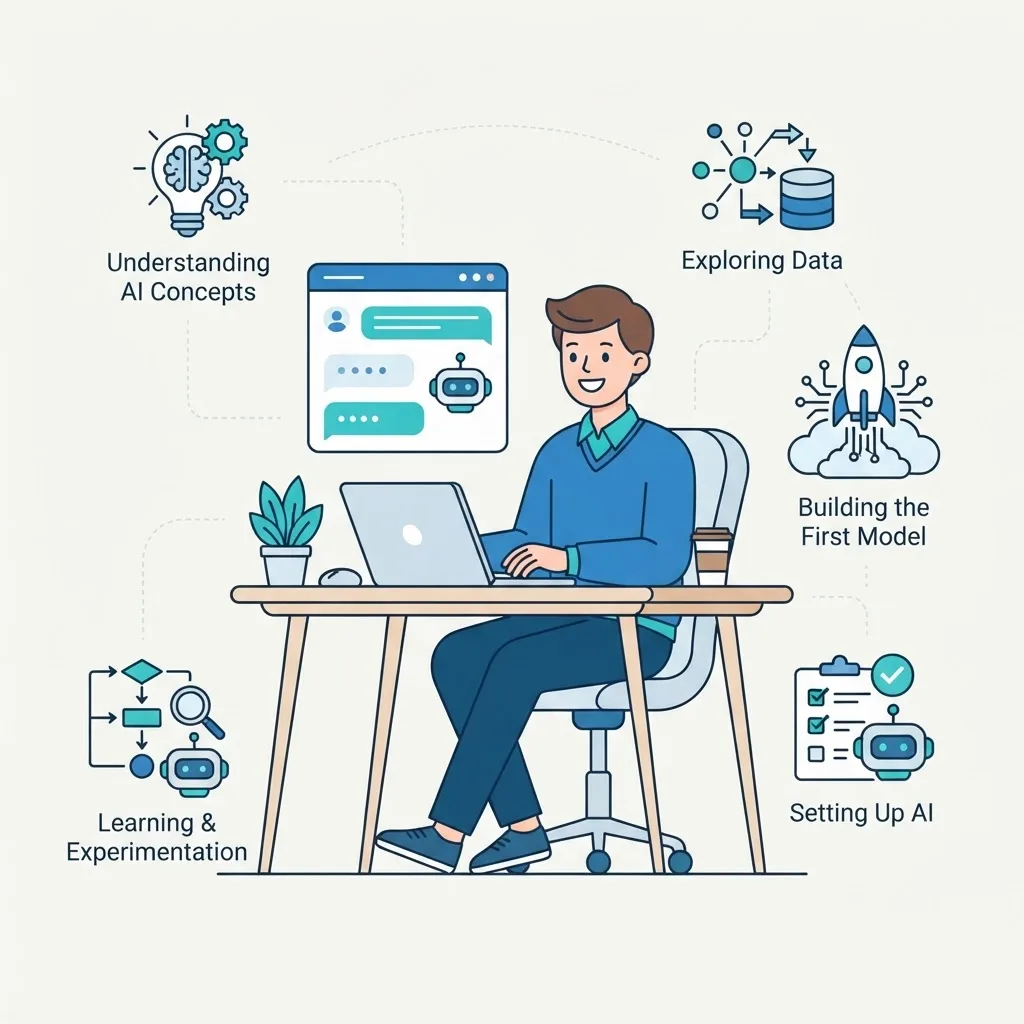
The learning curve is shorter than most people expect. Treat AI as a capable but junior assistant: helpful, fast, and occasionally mistaken — which is exactly why your judgment and oversight still matter most.
Key Takeaways
- AI is pattern recognition at scale — software that learns from examples rather than following fixed rules.
- Machine learning powers modern AI, with deep learning and large language models driving today's breakthroughs.
- You already use AI daily through navigation, recommendations, spam filters, and voice assistants.
- Businesses adopting AI report real gains in efficiency and personalization, and adoption is now mainstream according to McKinsey.
- Getting started is easy — automate one task, verify outputs, and expand gradually.
Frequently Asked Questions (FAQ)
What is artificial intelligence in simple words?
Artificial intelligence is computer software that learns from examples to perform tasks that usually need human thinking, such as recognizing speech or images. Instead of following fixed rules, it studies data, finds patterns, and uses them to make predictions or decisions about new, unseen situations.
Is artificial intelligence hard to understand?
No. While the underlying math is complex, the core idea is simple: AI learns patterns from data and applies them to new problems. You do not need coding skills to use AI tools effectively — a clear mental model and specific, well-worded instructions are enough to get valuable results.
What is the difference between AI and machine learning?
AI is the broad goal of making machines intelligent, while machine learning is the main method used to achieve it. Machine learning lets systems learn from data automatically. In short, all machine learning is AI, but AI also includes other approaches beyond machine learning alone.
Can I use AI without technical skills?
Yes. Most modern AI tools are designed for everyday users through simple chat or point-and-click interfaces. You type instructions in plain language and receive results instantly. The key skill is writing clear prompts and reviewing outputs carefully, not programming or understanding the underlying algorithms.
Is artificial intelligence safe to use?
AI is generally safe when used thoughtfully, but it has real limits. It can produce confident errors, reflect biases in its training data, and mishandle sensitive information. Always verify important outputs, avoid sharing private data, and keep a human involved in high-stakes decisions like health or finance.