
Explore how Oman is embracing artificial intelligence across government, business, education, and healthcare to power its Vision 2040 digital transformation.
Oman Artificial Intelligence
Artificial intelligence is no longer a distant promise in the Gulf region; it is an active force reshaping how nations plan, govern, and grow. Oman, with its strategic location, stable economy, and forward-looking leadership, has placed artificial intelligence at the heart of its national development agenda. From smart government services to data-driven healthcare, the Sultanate is steadily building an ecosystem where AI delivers real value to citizens and businesses alike. As digital partners such as ZoneTechify and WebPeak help organizations modernize, the conversation around Oman artificial intelligence has shifted from curiosity to concrete implementation.
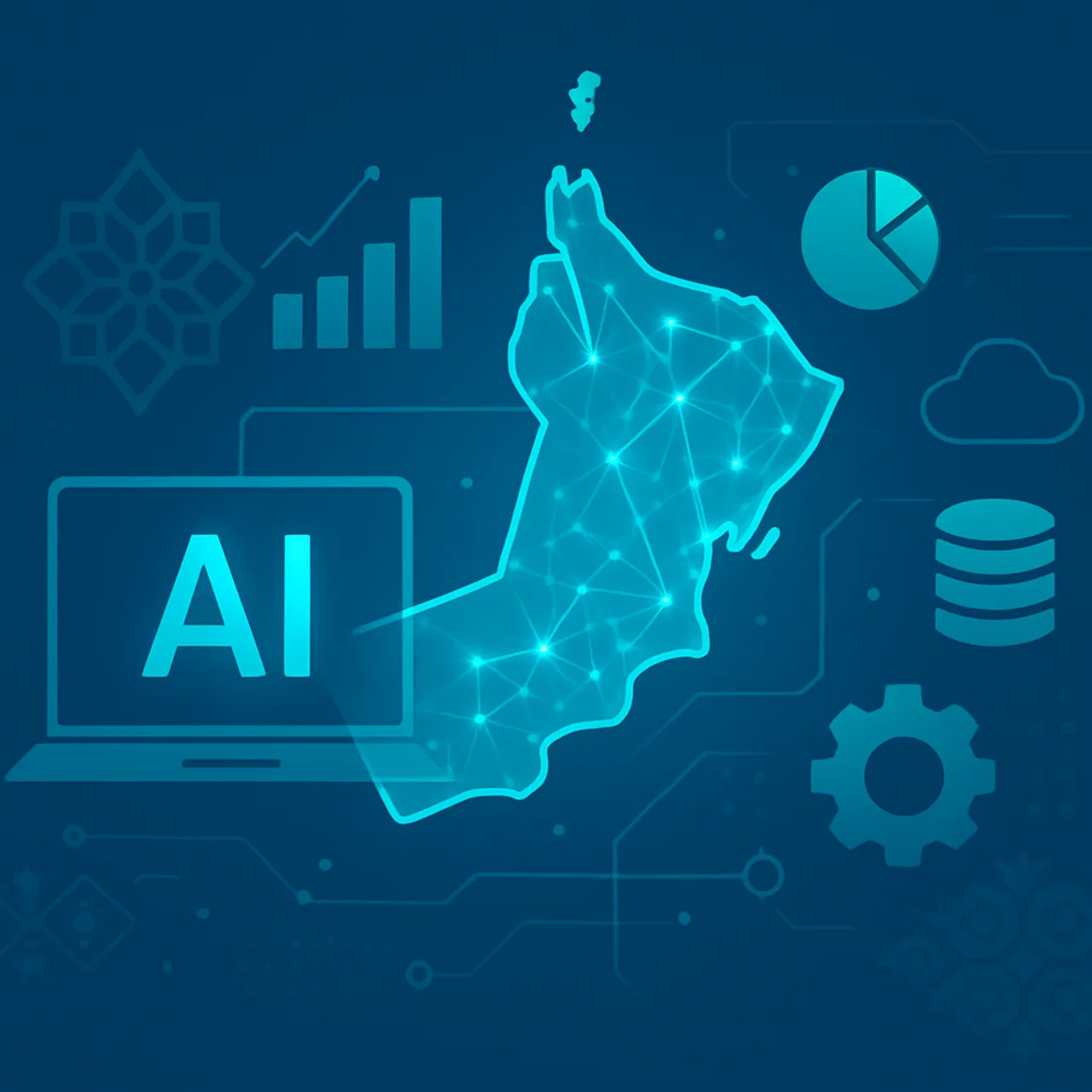
This article takes a people-first look at how AI is being adopted in Oman, the national strategies guiding it, the sectors being transformed, and the opportunities and challenges ahead. Whether you are a business owner, a student, or a policymaker, understanding this landscape will help you make smarter decisions in an increasingly intelligent economy.
Why Artificial Intelligence Matters for Oman
Oman has historically relied on oil and gas as the backbone of its economy. While these resources remain important, the leadership recognizes that long-term prosperity depends on diversification. Artificial intelligence offers a way to increase efficiency, create new industries, and reduce dependence on a single revenue stream.
AI helps organizations process vast amounts of data, automate repetitive tasks, and uncover insights that humans alone might miss. For a country investing heavily in logistics, tourism, fisheries, and manufacturing, these capabilities translate directly into productivity gains. More importantly, AI supports better public services, helping the government respond faster to the needs of its people.
The value is not limited to large enterprises. Small and medium businesses across Muscat, Salalah, and Sohar are beginning to use AI tools for customer service, marketing, and inventory management. This democratization of technology means that the benefits of Oman artificial intelligence can reach far beyond a handful of major players.
Oman Vision 2040 and the National AI Strategy
At the center of Oman's technology ambitions sits Oman Vision 2040, a comprehensive roadmap aimed at building a diversified, knowledge-based economy. Artificial intelligence is a key enabler within this vision, supporting goals around innovation, education, and economic competitiveness.

The national approach to AI emphasizes several priorities. First, building digital infrastructure such as high-speed connectivity and data centers that can support advanced workloads. Second, developing local talent so that Omani professionals can design and maintain intelligent systems rather than relying entirely on imported expertise. Third, creating a regulatory environment that encourages responsible innovation while protecting privacy and security.
These pillars work together. Strong infrastructure attracts investment, skilled talent ensures sustainability, and clear governance builds public trust. Together they form the foundation on which a thriving AI ecosystem can be built. Organizations looking to align with this vision often turn to specialized artificial intelligence services to design solutions that are both innovative and compliant.
Government Initiatives Driving AI Adoption
The Omani government has taken a leading role in promoting artificial intelligence. Through digital transformation programs, public institutions are integrating AI into everyday operations to improve speed, transparency, and citizen satisfaction.

E-government platforms now use intelligent automation to process applications, answer common queries, and route requests to the right departments. Chatbots and virtual assistants reduce waiting times, while predictive analytics help agencies anticipate demand for services. In sectors like transportation and utilities, AI-driven monitoring improves safety and reduces downtime.
The government has also encouraged partnerships between the public sector, universities, and private technology firms. These collaborations accelerate research, support pilot projects, and ensure that solutions are tailored to local needs. By acting as both a regulator and an early adopter, the government sends a clear signal that AI is a national priority rather than a passing trend.
Building Trust Through Responsible AI
Adoption alone is not enough. Oman places strong emphasis on ethical and responsible AI, ensuring that automated systems are fair, transparent, and respectful of personal data. This focus on trust is essential, because citizens are more likely to embrace technology that they understand and feel protected by.
Artificial Intelligence in Omani Business
The private sector is where much of the excitement around Oman artificial intelligence is taking shape. Companies of all sizes are discovering that AI can sharpen decision-making, personalize customer experiences, and unlock new efficiencies.

In retail and e-commerce, recommendation engines suggest products based on customer behavior, increasing sales and satisfaction. In logistics, route optimization and demand forecasting cut costs and improve delivery times. Banks and financial institutions use AI to detect fraud, assess risk, and offer smarter financial products.
Marketing teams are also embracing intelligent tools. Automated content generation, sentiment analysis, and targeted advertising help brands connect with audiences more effectively. Businesses that want to compete regionally are increasingly investing in custom AI solutions and expert artificial intelligence services to gain a measurable edge.
The key for Omani businesses is to start with clear problems rather than chasing technology for its own sake. The most successful AI projects begin with a specific goal, such as reducing customer churn or improving production quality, and then apply the right tools to achieve it.
Education, Skills, and the Future Workforce
No AI strategy can succeed without people who understand how to build and use it. Oman is investing in education and skills development to prepare a new generation of technologists, analysts, and innovators.
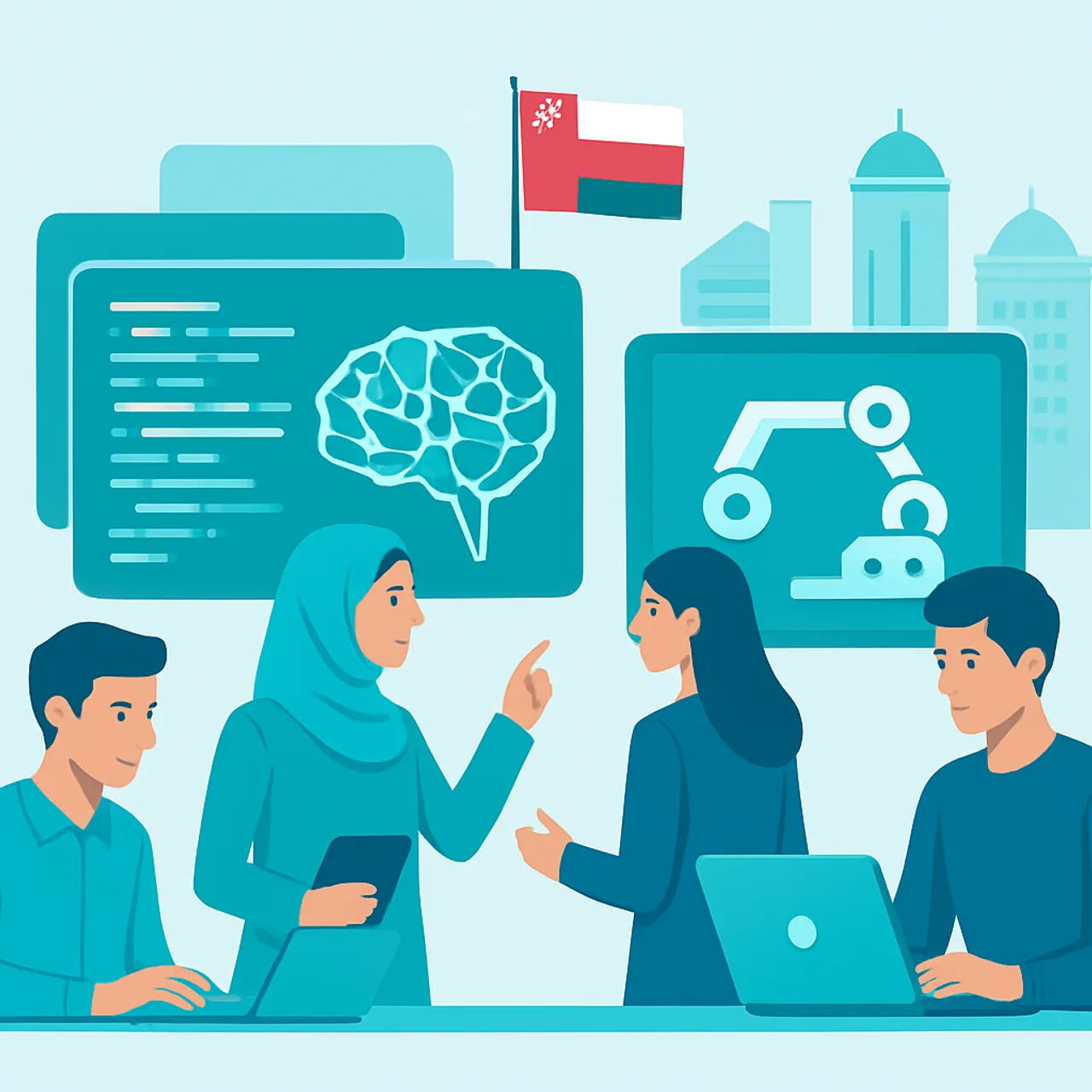
Universities and technical institutes are expanding programs in data science, machine learning, and software engineering. Beyond formal degrees, short courses, bootcamps, and online platforms make it possible for working professionals to reskill and stay relevant. Public awareness campaigns help citizens understand what AI is and how it affects their daily lives.
This emphasis on learning is crucial. As routine tasks become automated, the demand for higher-level skills such as problem solving, creativity, and ethical judgment will grow. By preparing its workforce now, Oman ensures that AI becomes a source of opportunity rather than displacement. Encouraging young Omanis to pursue careers in technology also reduces reliance on foreign expertise over time.
AI in Healthcare and Public Services
Healthcare is one of the most promising areas for artificial intelligence in Oman. Intelligent systems can support doctors, improve diagnostics, and make care more accessible to people across the country, including in remote regions.
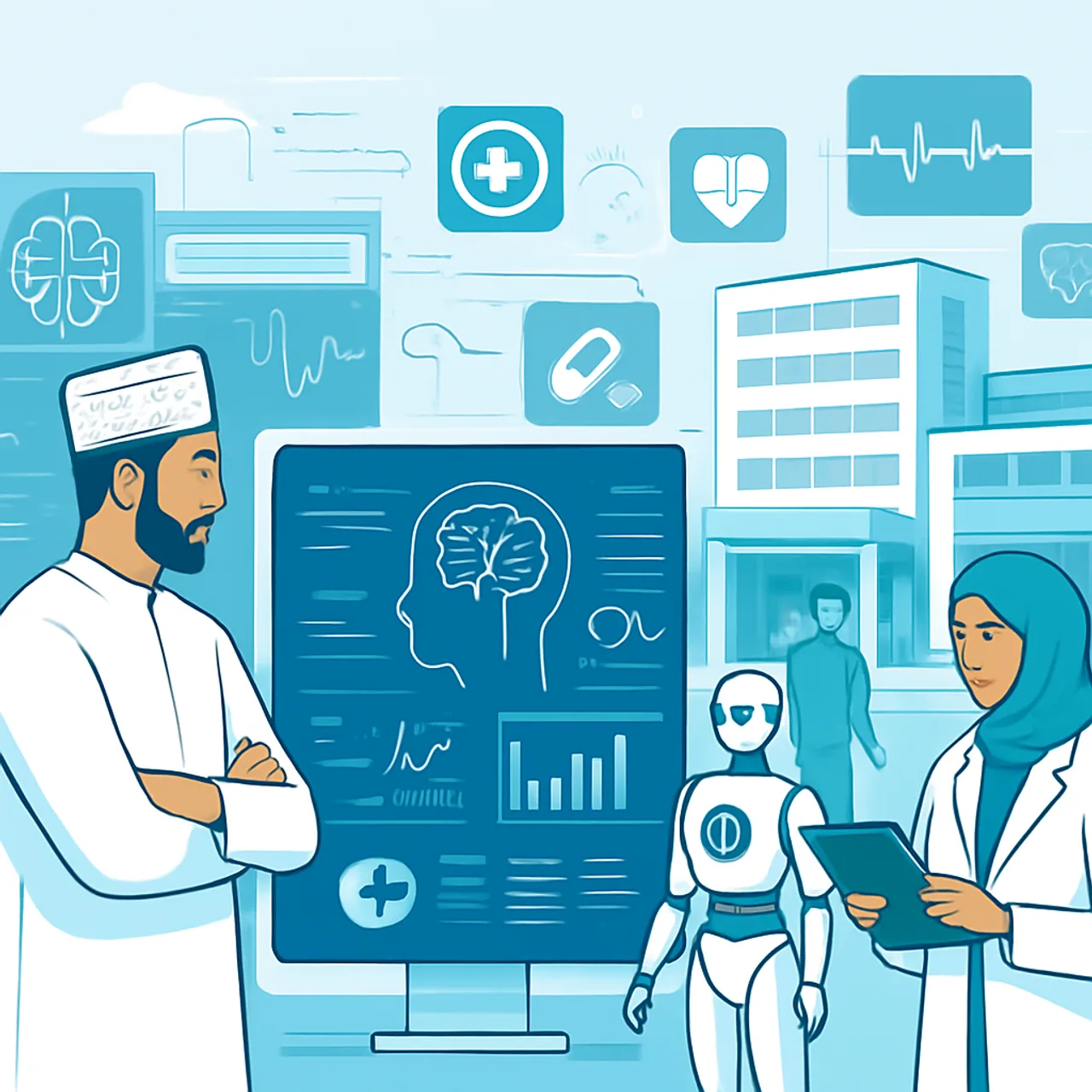
AI-powered imaging tools help radiologists detect conditions earlier and more accurately. Predictive models identify patients at risk of chronic illness, enabling preventive care. Administrative automation reduces paperwork, freeing medical staff to focus on patients rather than forms.
Beyond hospitals, AI enhances other public services. Smart traffic management eases congestion in growing cities, environmental sensors support sustainability goals, and intelligent tourism platforms help visitors discover the beauty of Oman more easily. Each of these applications improves quality of life while showcasing the practical value of the technology.
Challenges on the Road Ahead
Despite the momentum, Oman faces real challenges in scaling artificial intelligence. Understanding these obstacles is essential for building realistic, sustainable progress.
| Challenge | Why It Matters | Possible Direction |
|---|---|---|
| Talent shortage | Skilled AI professionals are limited | Invest in training and education |
| Data quality | AI needs clean, structured data | Improve data governance and standards |
| Infrastructure cost | Advanced AI requires computing power | Expand data centers and cloud access |
| Public trust | Adoption depends on confidence | Promote transparency and ethics |
| Integration | Legacy systems resist change | Adopt phased, practical rollouts |
Addressing these issues requires patience and collaboration. Talent gaps can be closed through education and global partnerships. Data quality improves with better governance. Infrastructure expands through investment and cloud adoption. None of these challenges are unique to Oman, and many can be solved by learning from regional and international experience.
The Future of Oman Artificial Intelligence
The trajectory is clear: artificial intelligence will play an increasingly central role in Oman's economy and society. As infrastructure matures and talent deepens, the Sultanate is well positioned to become a regional hub for innovation.

In the coming years, expect to see broader adoption of AI across sectors such as agriculture, energy, and tourism. Startups focused on intelligent solutions will emerge, supported by incubators and investment. Government services will become faster and more personalized, while businesses will compete on the strength of their data and automation.
The most important factor will be balance. Oman has an opportunity to adopt AI in a way that respects its culture, protects its people, and strengthens its economy. By combining ambitious vision with responsible execution, the country can ensure that artificial intelligence serves as a tool for inclusive growth.
Conclusion
Oman artificial intelligence is no longer a concept reserved for the future; it is a present-day reality shaping government, business, education, and healthcare. Guided by Oman Vision 2040, supported by proactive policy, and powered by a growing community of skilled professionals, the Sultanate is laying the groundwork for a smarter, more diversified economy.
The journey will require continued investment in infrastructure, talent, and trust. Yet the direction is unmistakable. Organizations that embrace AI thoughtfully today will be the ones leading tomorrow. To explore how intelligent solutions can support your own goals, connect with experienced partners like ZoneTechify and WebPeak and take a confident step into Oman's intelligent future.