A practical guide to official AI apps: how to verify genuine publishers, compare the leading assistants, avoid cloned or modded versions, and protect your data.
Official AI Apps
Official AI apps are the versions published directly by the company that built the underlying model, distributed through Apple's App Store, Google Play, or the vendor's own verified website. That single distinction matters more than most people realise. In 2024 and 2025, the app stores were flooded with imitation AI assistants that borrowed real logos, real names, and real marketing screenshots while shipping subscription traps, ad injection, or credential harvesting behind the interface.
After reviewing hundreds of AI app listings while building client tools at ZoneTechify, we found the same pattern repeatedly: the clone almost always looks better than the original in the store listing. Cloners have a marketing budget and no engineering obligations. The genuine publisher usually has a plain description and a boring developer name. Learning to read past the polish is the actual skill this article teaches.
Quick Answer: Official AI apps are applications published by the company that owns the AI model, such as OpenAI, Google, Anthropic, or Microsoft. Verify them by checking the exact developer name on the store listing, the linked privacy policy domain, and download counts. Never install modded or cloned AI apps from outside official stores.
What Counts as an Official AI App?
An official AI app meets three conditions at once. First, the publisher account on the store belongs to the company that owns the model. Second, the app connects to that company's production API rather than reselling a third-party key. Third, the privacy policy and support links point to the vendor's own domain, not a free hosting subdomain.
Apps that fail any one of those tests are wrappers. A wrapper is not automatically malicious. Many legitimate products are built on top of an official API and disclose it honestly. The problem is the wrapper that hides the relationship and implies it is the source, because that app controls your prompts, your uploads, and your billing without the accountability that comes with owning the model.
The Publishers That Actually Own Models
As of 2026, the short list of companies shipping first-party consumer AI apps includes OpenAI (ChatGPT), Google (Gemini), Anthropic (Claude), Microsoft (Copilot), Meta (Meta AI), Perplexity, and xAI (Grok). Everything else in the AI category is either a wrapper, a specialised tool, or a clone. Knowing that list of seven is faster than evaluating a thousand listings individually.
Official AI Apps Compared
Different official apps optimise for different jobs. The table below reflects hands-on daily use rather than marketing claims, and it should help you pick based on task instead of hype.
| App | Publisher | Strongest Use Case | Free Tier | Offline Mode |
|---|---|---|---|---|
| ChatGPT | OpenAI | General reasoning, coding, voice conversations | Yes | No |
| Gemini | Google Workspace, Android system integration | Yes | Partial | |
| Claude | Anthropic | Long documents, careful writing, analysis | Yes | No |
| Copilot | Microsoft | Office files, Windows and Edge workflows | Yes | No |
| Perplexity | Perplexity AI | Cited research and current news | Yes | No |
| Grok | xAI | Real-time social context and trends | Limited | No |
The practical takeaway is that free tiers now cover most everyday needs. If an app in the AI category demands payment before showing you a single response, treat it as a warning sign rather than a premium signal.
How to Verify an AI App Is Official in Under 60 Seconds
Run these five checks in order. They take less than a minute and catch the overwhelming majority of impostors.
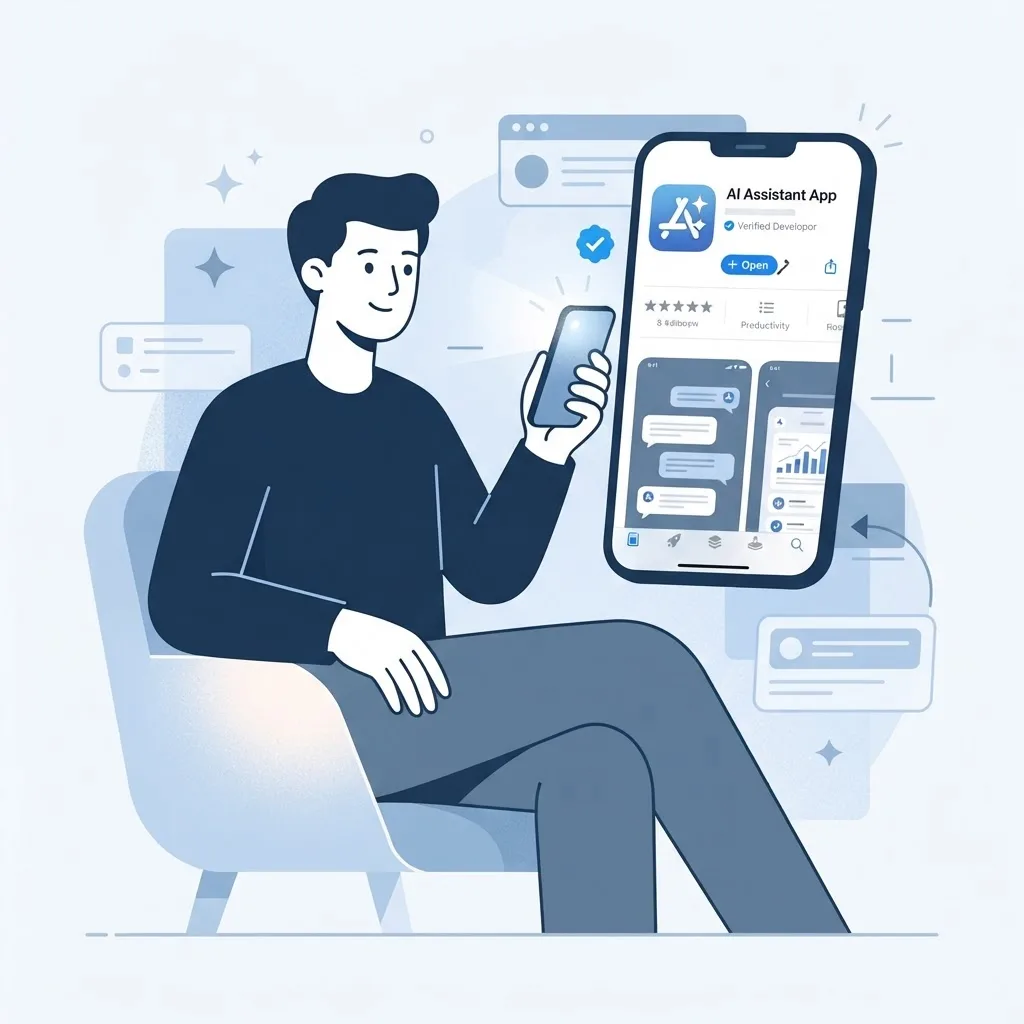
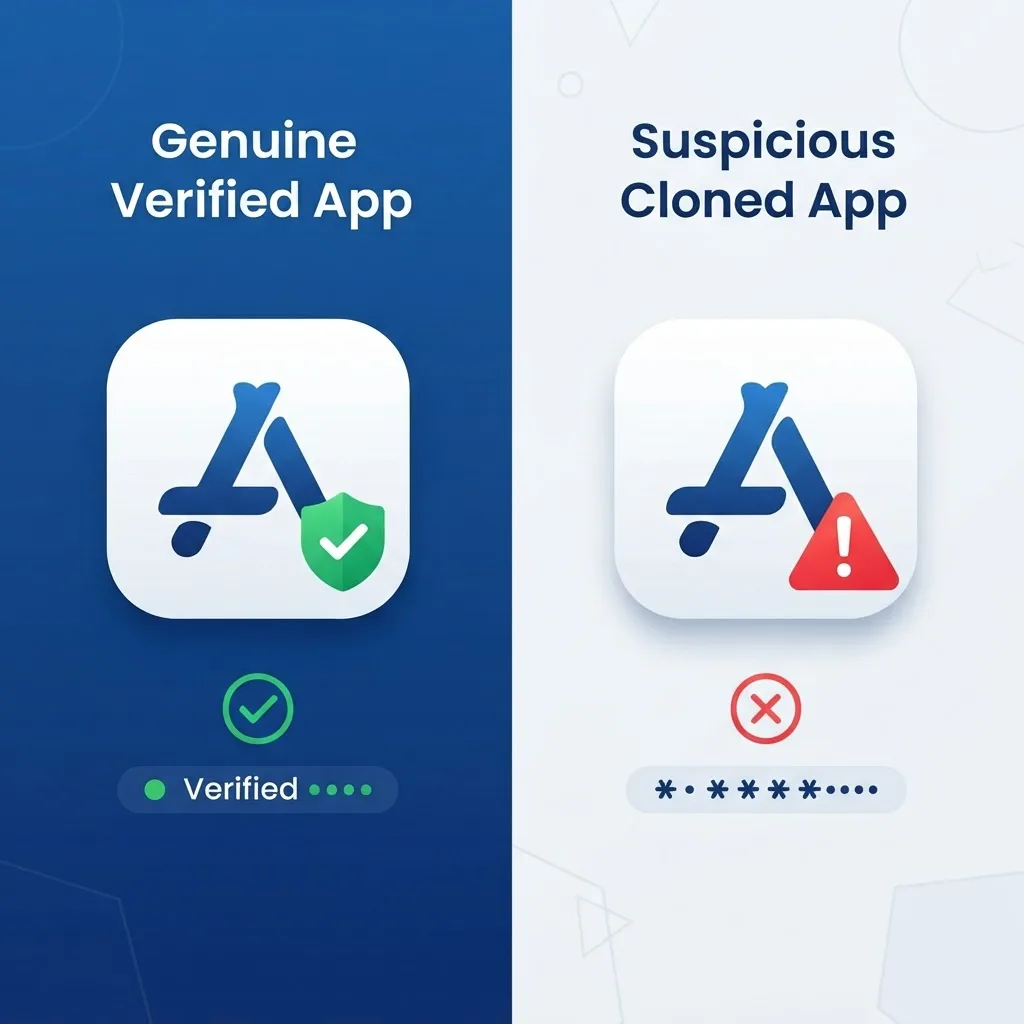
- Read the developer name, not the app name. Tap the developer link. The official ChatGPT app is published by OpenAI, and Gemini by Google LLC. A name like "AI Chat Studio Ltd" under a familiar logo is a clone.
- Check the download volume. First-party AI apps have tens or hundreds of millions of installs. A well-known brand name with 50,000 downloads is mathematically impossible.
- Open the privacy policy link. It must resolve to the vendor's own domain. Policies hosted on generic site builders or shared documents indicate a small operator with no legal team.
- Scan the newest reviews, sorted by recent. Clones show a cluster of five-star reviews written in identical phrasing, followed by one-star complaints about unexpected charges.
- Review the requested permissions. A text-based assistant has no reason to request your contacts, SMS messages, or call logs.
Official vs Modified: Why Cracked AI Apps Never Work
The single most common mistake we see is users searching for modded or premium-unlocked AI apps. This category cannot function by design, and understanding why saves both money and risk.
AI responses are generated on remote servers, not on your phone. Your device sends a prompt and receives text back. There is no local model to unlock and no premium feature stored in the app binary. A modded APK cannot grant paid access because the paid access is enforced by an authenticated account on the vendor's servers. What the modded file can do is inject ads, exfiltrate whatever you type, and replace the real API with a cheap substitute model that produces worse answers.
We covered the mechanics of this in more depth in our breakdown of artificial intelligence mod APK risks, which walks through exactly what happens to your prompts when they are routed through an unofficial build.
The Financial Cost of Getting This Wrong
The economics favour the cloner. A subscription trap charging fifteen dollars weekly, disguised as a three-day trial, generates roughly 780 dollars per year from a single user who forgets to cancel. That is far more than any official assistant charges annually, which is why fake AI apps keep reappearing under new publisher names even after removal.
Privacy: What Official Apps Do Differently
Official AI apps publish data retention policies, offer a documented opt-out from model training, and expose account-level deletion controls. Those three features are the practical difference between a company that can be held accountable and one that cannot.
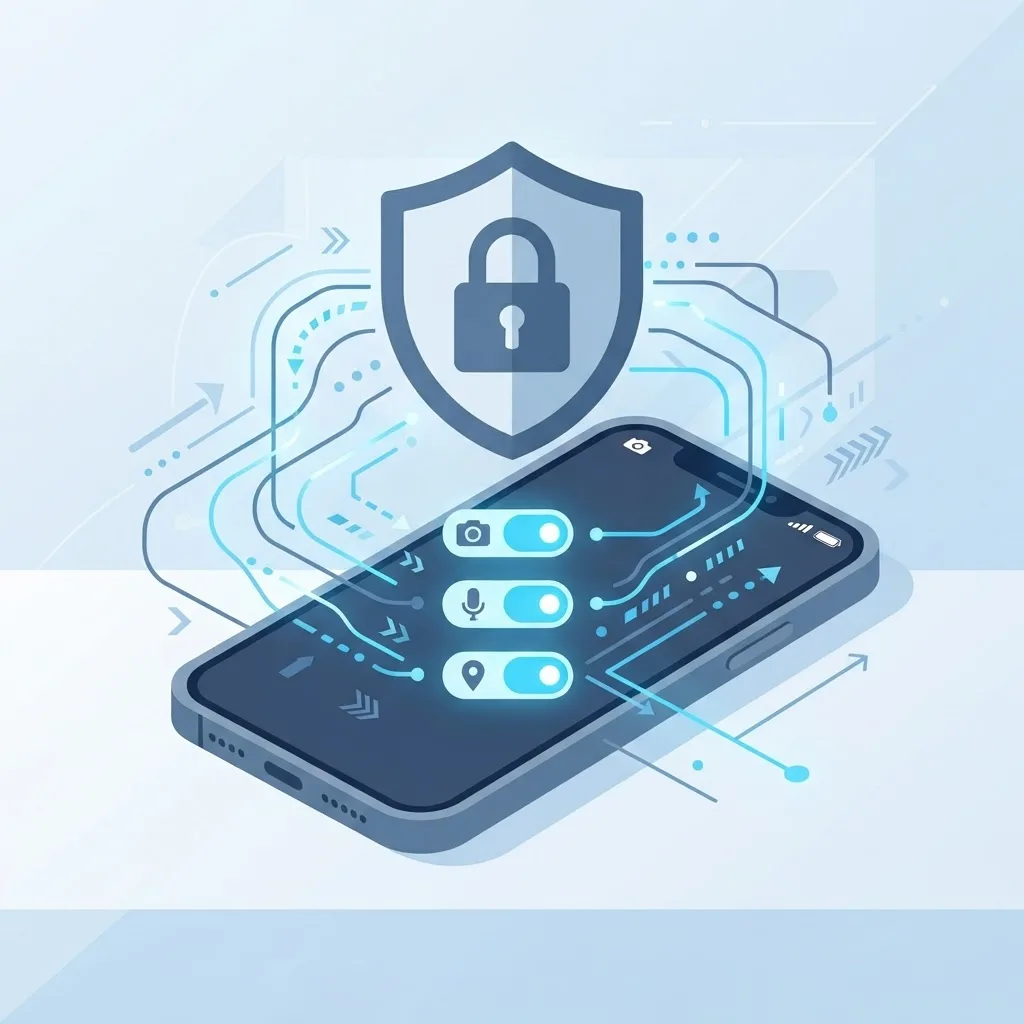
Before you type anything sensitive into any AI app, configure these settings:
- Turn off training on your data. Every major official app now offers this toggle in privacy or data controls.
- Disable chat history if you handle client information, legal material, or medical details.
- Use a separate account for work. Enterprise and team tiers carry contractual data protections that consumer accounts do not.
- Audit connected integrations quarterly. Calendar, email, and drive connections persist long after you stop using them.
According to Google's own Safe Browsing transparency reporting, the company detects millions of unsafe sites and applications, and app store review still catches malicious uploads after publication rather than before. Store presence is a strong signal, not a guarantee, which is why the developer-name check remains essential.
Choosing the Right Official AI App for Your Work
Select based on where your existing files and habits already live, because integration saves more time than raw model quality.
- Writers and researchers: Claude for long-form drafting and document analysis, Perplexity when you need sources you can verify and cite.
- Developers: ChatGPT for debugging conversations, Copilot inside the editor for inline completion.
- Office and enterprise teams: Copilot, because it reads and edits your existing Word, Excel, and Outlook content directly.
- Android users: Gemini, since it replaces the system assistant and works across Google apps without extra setup.
- Business owners building custom tools: move beyond consumer apps entirely and use the official APIs, as the teams at WebPeak do when a workflow needs to run without a human in the loop.
If your requirement goes past what a consumer app can do, such as a private assistant trained on your own documentation, that is custom development work. Our artificial intelligence services cover that build path, including model selection and data handling.
Where AI Image and Media Apps Fit
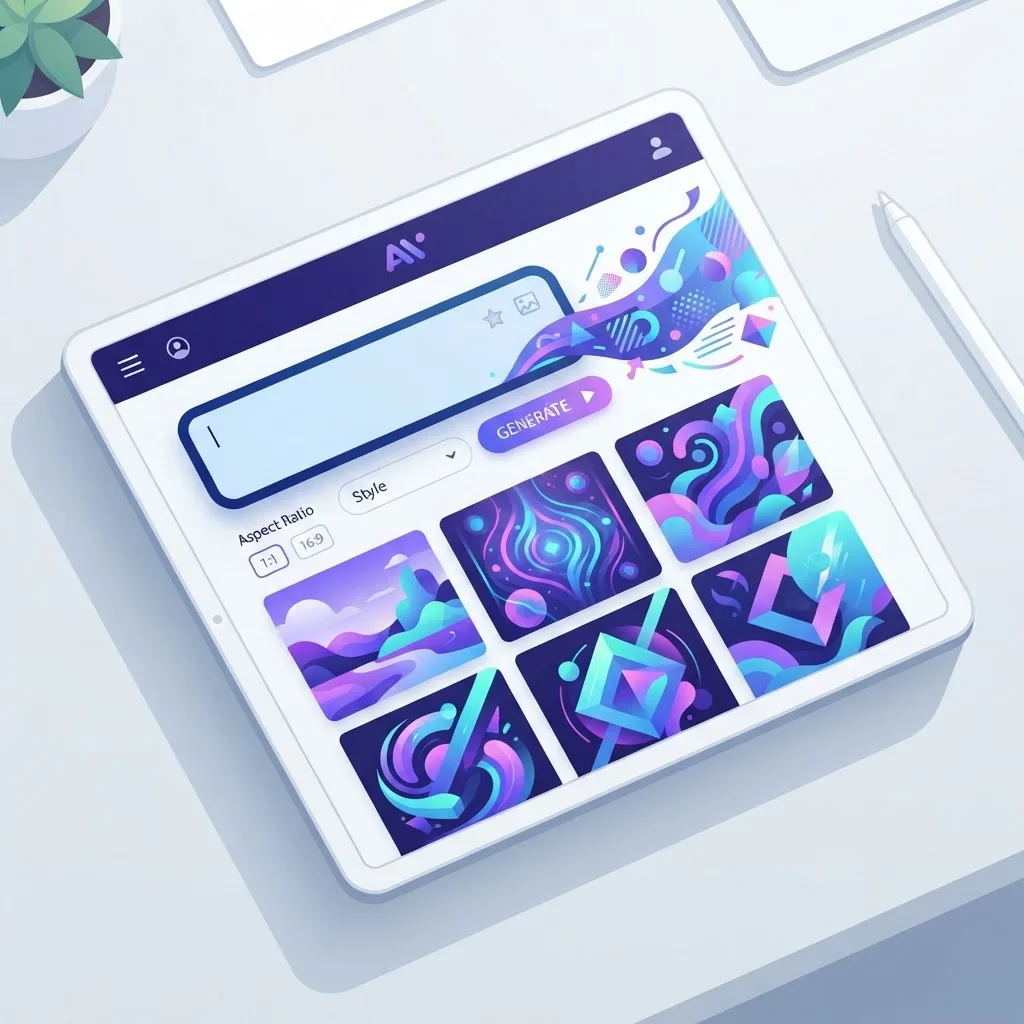
Official image generation apps deserve separate attention because the clone problem is worse in this category. Genuine options include the image capabilities inside ChatGPT and Gemini, plus dedicated tools from Adobe and Midjourney. Fake versions typically upload your photos to unknown servers, which becomes a serious concern when users submit portraits or identity documents for editing.
Check the commercial usage rights before you use any generated image in a client project. Official apps state licence terms explicitly in their documentation. Clones say nothing, which means you have no defensible position if ownership is ever challenged.
Key Takeaways
- Official AI apps are published by the company that owns the model. Only about seven companies ship genuine first-party consumer AI apps.
- The developer name on the store listing is the fastest reliable verification signal, ahead of icons, screenshots, or ratings.
- Modded and cracked AI apps cannot unlock paid features because inference happens on remote servers, not on your device.
- Free tiers of official apps cover most everyday needs, so upfront payment demands are a warning sign.
- A subscription trap at fifteen dollars weekly costs roughly 780 dollars annually, far above legitimate pricing.
- Configure training opt-out, history settings, and integration permissions before entering sensitive information.
Frequently Asked Questions (FAQ)
What are official AI apps?
Official AI apps are applications published directly by the company that owns the AI model, such as OpenAI, Google, Anthropic, or Microsoft. They connect to that company's production servers, carry a verified developer name on the app store, and link to a privacy policy hosted on the vendor's own domain.
How do I know if an AI app is official or fake?
Check the developer name on the store listing first, because it is harder to fake than icons or screenshots. Then confirm the download count matches a major brand, open the privacy policy to verify the domain, sort reviews by newest, and check that permissions match the app's actual function.
Are modded AI apps safe to use?
No. Modded AI apps cannot unlock premium features because responses are generated on remote servers, not on your phone. What they can do is inject advertising, capture everything you type, and route requests through cheaper substitute models that return noticeably lower-quality answers than the official app.
Which official AI app is best for free use?
ChatGPT, Gemini, and Claude all offer capable free tiers that handle writing, research, and coding questions. Gemini integrates best on Android and with Google Workspace, Claude handles long documents most reliably, and ChatGPT offers the strongest voice conversation experience of the three.
Do official AI apps use my conversations for training?
Most official apps use consumer conversations for model improvement by default, but every major provider now offers an opt-out in privacy or data control settings. Business and enterprise tiers typically exclude your data contractually. Turn training off before entering client, medical, or legal information.
Can I use images from official AI apps commercially?
Official apps publish explicit licence terms, and most paid tiers permit commercial use of generated images. Always read the current terms for your specific plan, since they change. Unofficial or cloned image apps provide no enforceable rights, leaving you exposed if ownership is ever disputed.