A hands-on 2026 comparison of Google AI Overviews and ChatGPT Search, covering accuracy, citations, freshness, and what each means for publishers and marketers.
Google AI Overviews vs ChatGPT Search — Which Gives Better Answers in 2026
Search stopped being a list of links and became a conversation. In 2026, most people asking a real question — "why is my Next.js build slow," "best CRM for a 12-person agency," "is creatine safe with blood pressure medication" — get a written answer before they get a website. Two systems dominate that answer layer: Google AI Overviews, which sits above the traditional results page, and ChatGPT Search, which answers inside a chat thread and cites its sources underneath.
We run both daily across client research, technical debugging, and competitive analysis at ZoneTechify, and the honest verdict is not "one wins." They fail differently, and knowing how they fail is what makes you fast.
Quick Answer: Google AI Overviews wins for fast, local, and time-sensitive facts because it draws on Google's live index. ChatGPT Search wins for multi-step reasoning, comparisons, and follow-up questions. For accuracy on high-stakes topics, verify both against the cited primary source before acting.
What Each System Actually Is
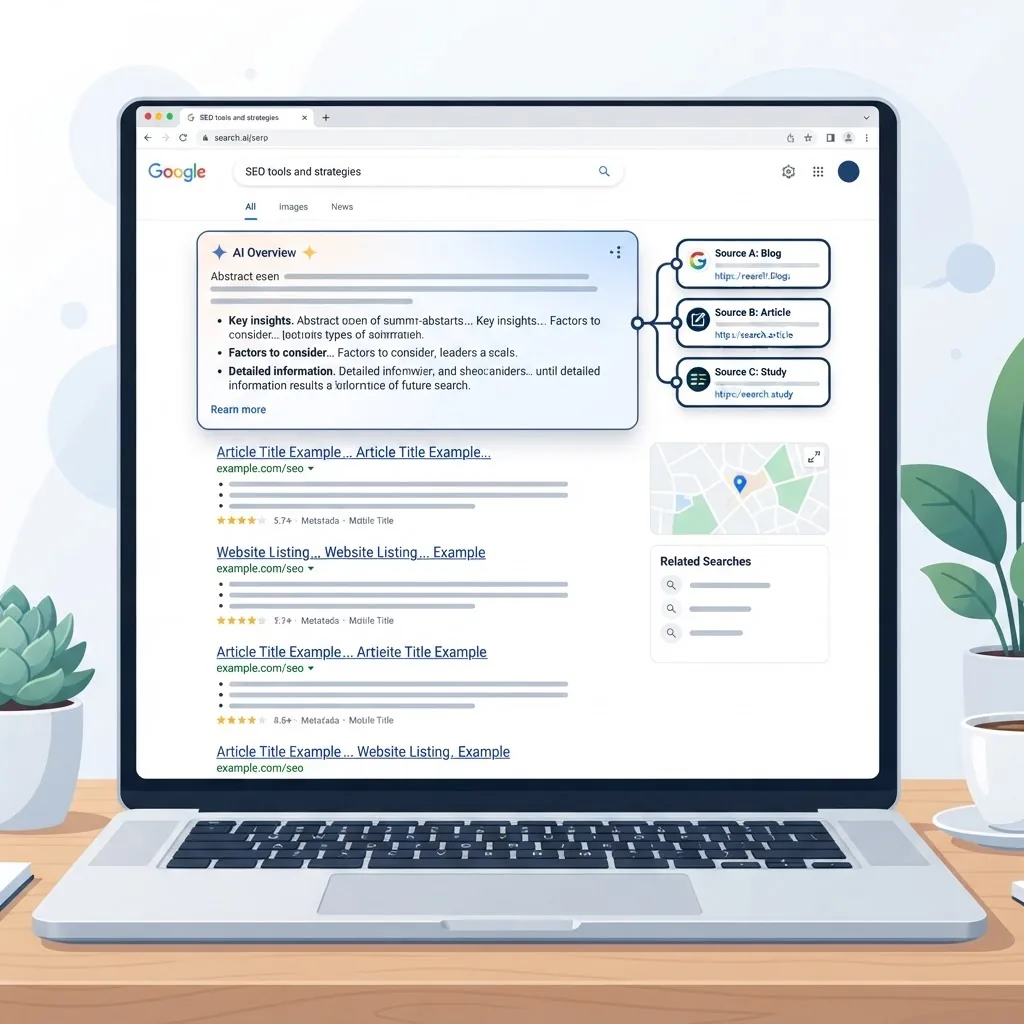
Google AI Overviews is a generative summary Google injects at the top of a results page. It is built on Gemini models grounded in Google's live web index, and it links out to a small set of supporting pages. It is not a chatbot — it is a snippet on steroids, produced for a single query and refreshed as the index changes.
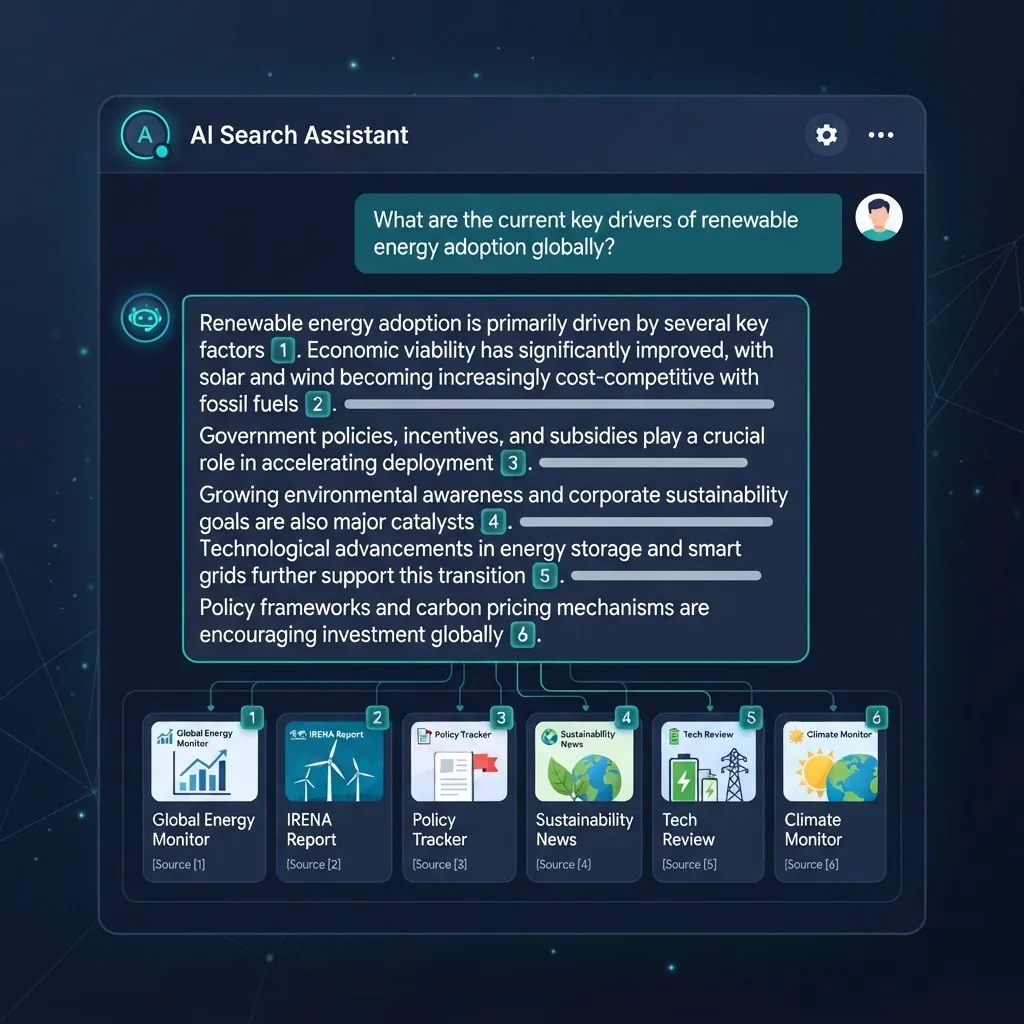
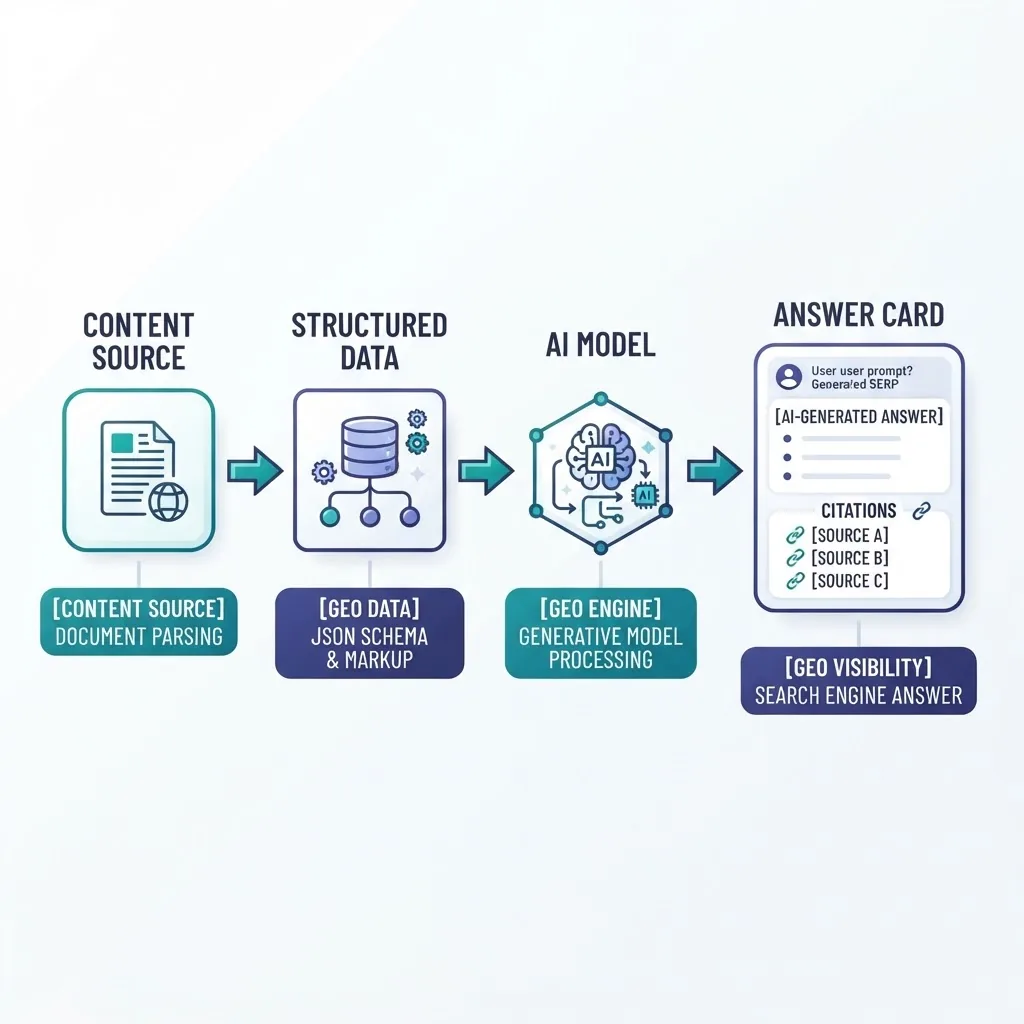
ChatGPT Search is retrieval-augmented chat. When your question needs current information, ChatGPT queries a search backend, reads the retrieved pages, and writes an answer with numbered citations you can expand. The unit of interaction is a conversation, not a query.
That architectural difference explains almost every quality gap between them.
Speed and Intent Coverage: Google's Structural Advantage
Google processes an enormous share of the world's searches and has decades of behavioural data on what a query actually means. That matters most for the boring 80 percent: store hours, conversion rates, flight status, a stat you half-remember, whether a library version is deprecated.
Google also has something ChatGPT cannot easily replicate — the local and entity graph. Ask "good Thai food open now near me" and AI Overviews composes an answer from Maps data, reviews, and business hours. ChatGPT Search will find articles about Thai restaurants; it rarely knows what is open at 9:47 p.m. on a Tuesday.
A second Google advantage is freshness latency. Because Overviews are grounded in a continuously updated index, breaking developments surface in hours. Retrieval-based chat depends on what its search partner has crawled and how the model weights it, which introduces lag on fast-moving stories.
Reasoning Depth: Where ChatGPT Search Pulls Ahead
Ask a question that requires holding several constraints at once and the gap reverses. "We're a 12-person agency on Google Workspace, need a CRM under $60 per seat with an open API and EU data residency" is not a lookup — it is a filtering and synthesis task. ChatGPT Search reads multiple sources, applies your constraints, and returns a shortlist with tradeoffs. AI Overviews typically returns a generic definition of CRM software plus links.
The follow-up loop is the real differentiator. Refinements like "drop anything without a HIPAA option" or "now compare the two cheapest on migration effort" cost one sentence in chat. In search, each refinement is a brand-new query with lost context.
ChatGPT Search is also better at long-document work: reading a lengthy changelog, a policy PDF, or a research abstract and extracting the three lines that matter. Overviews are optimised for brevity, so nuance gets compressed away — which is exactly when it becomes dangerous.
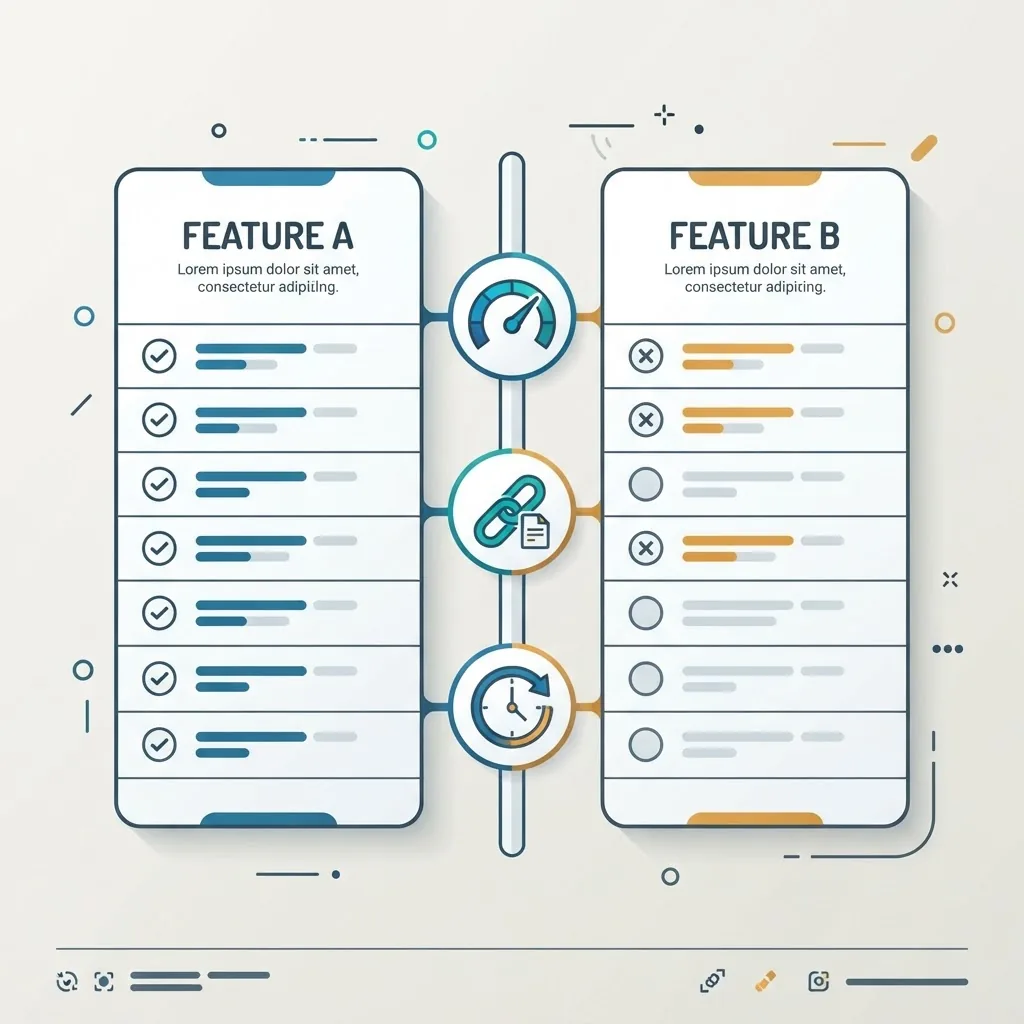
Head-to-Head Comparison
| Criteria | Google AI Overviews | ChatGPT Search |
|---|---|---|
| Best for | Quick facts, local, time-sensitive queries | Comparisons, research, multi-step reasoning |
| Grounding source | Google's live web index | Retrieved pages via search backend |
| Answer length | Short summary, a few sentences | Medium to long, structured |
| Citation visibility | Compact link cards, easy to miss | Numbered inline citations, expandable |
| Follow-up questions | Weak, context resets | Strong, full conversation memory |
| Local and map data | Excellent | Limited |
| Freshness on breaking news | Hours | Variable, often slower |
| Nuance on complex topics | Often oversimplified | Better, but can over-explain |
| Publisher traffic sent | Low click-through | Low volume, higher intent |
| Hallucination risk | Lower but not zero | Lower with citations, higher without |
The Accuracy Question — Answered Honestly
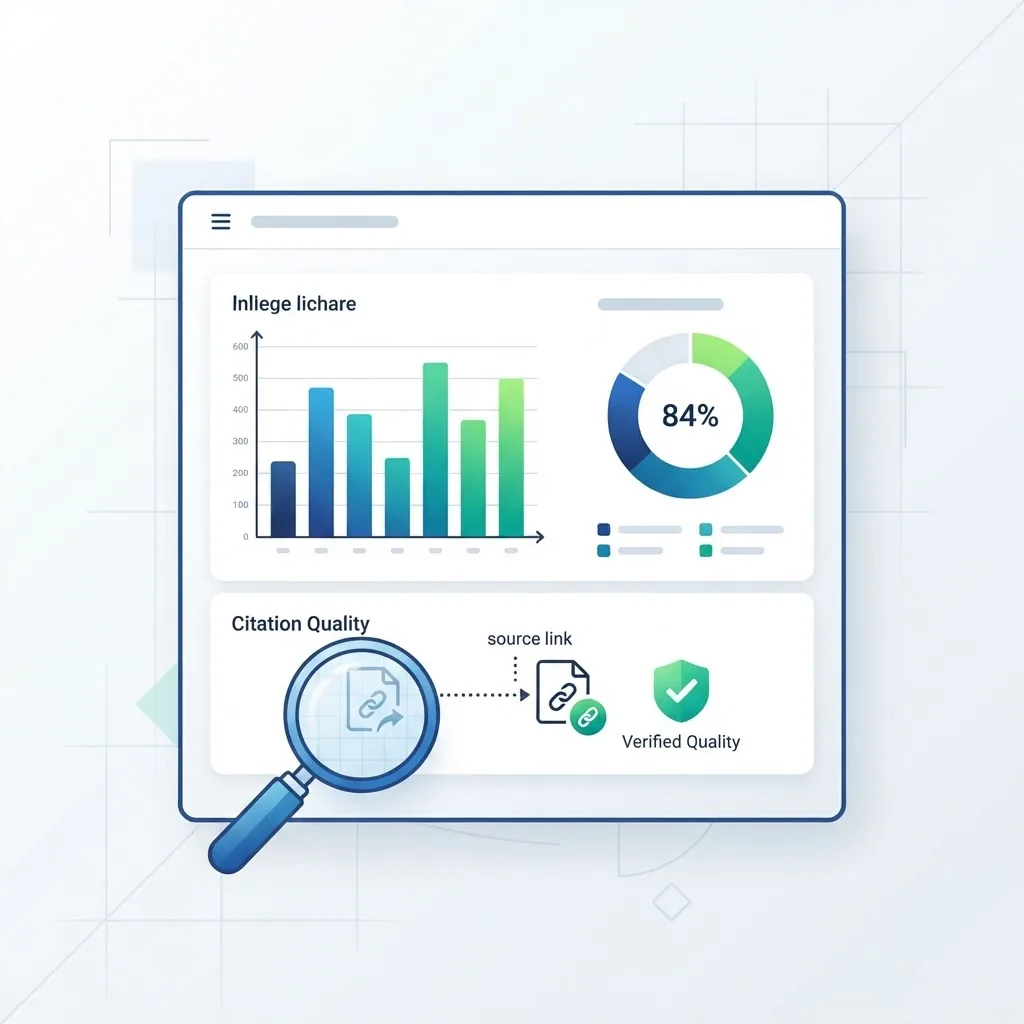
Neither system is trustworthy enough for unverified high-stakes use. Both are grounded, which cuts fabrication sharply compared with ungrounded chat, but grounding introduces a subtler failure: confident misattribution. The answer is fluent, a real source is cited, and the source does not actually support the claim. We see this most on pricing pages, medical dosages, legal thresholds, and API parameters — precisely the details people copy without checking.
Our working rule after months of side-by-side testing: treat both as a research accelerator with a mandatory verification step. If a wrong answer costs money, health, code in production, or credibility, open the cited source. That single habit removes the overwhelming majority of AI answer errors.
The pattern in failure types is consistent and worth memorising:
- Overviews fail by omission — the caveat, exception, or eligibility condition is compressed out.
- ChatGPT fails by over-synthesis — it merges two sources into a claim neither made.
- Both fail on recency edges — a page updated last week may still be summarised from an older cached version.
What This Means for Your Traffic
The business impact is measurable. Google itself has long reported that 53 percent of mobile visitors abandon a page that takes over three seconds to load — a reminder that answer-layer speed sets the expectation your own site is now judged against. Meanwhile Pew Research Center found that when an AI summary appears, users click a traditional result in roughly 8 percent of visits, versus about 15 percent when no summary is shown — close to a halving of click-through.
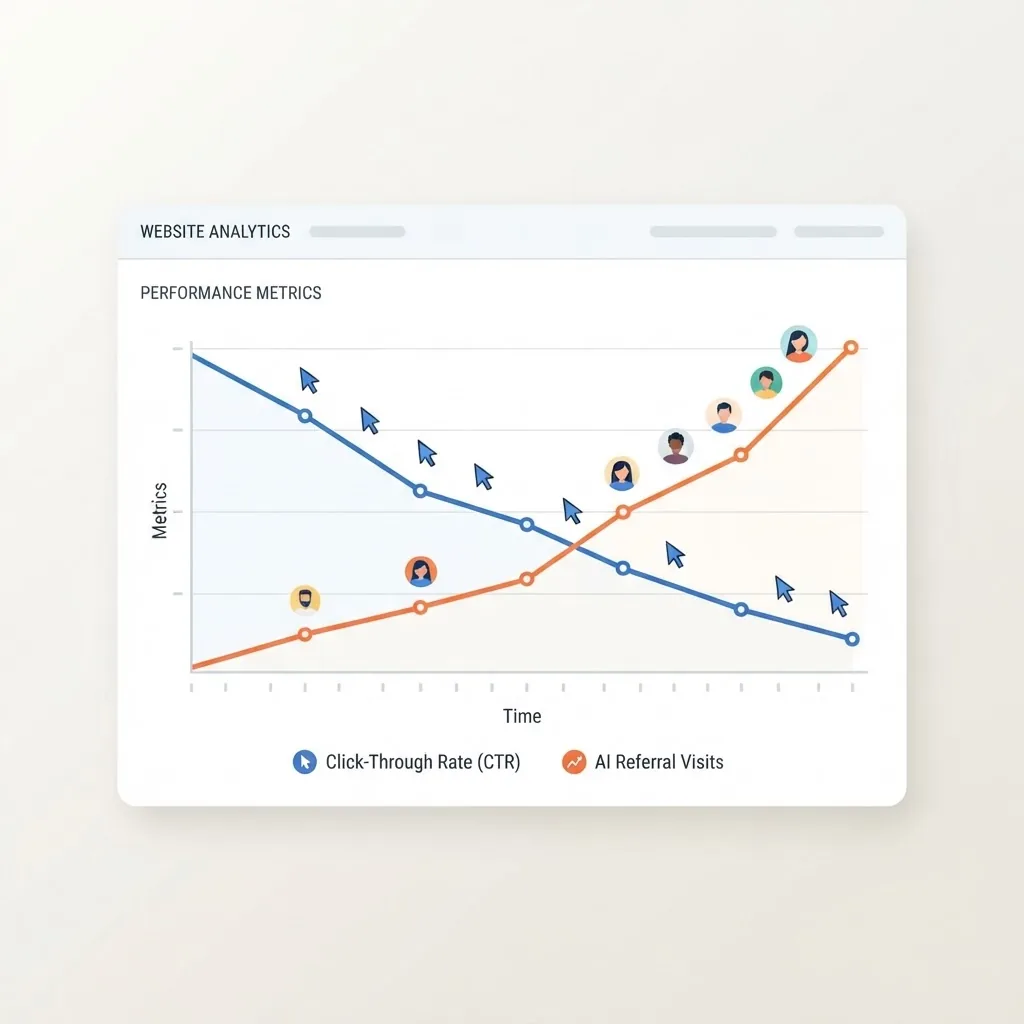
The reframe that works: impressions are becoming citations, and clicks are becoming fewer but far more qualified. A visitor who arrives after reading an AI summary has already been pre-educated. They land deeper in the funnel and convert better. Judge AI-era performance by citation share and assisted conversions, not by raw sessions.
How to Get Cited by Both in 2026
Getting cited is an engineering and editorial problem, not a keyword problem. What consistently works:
- Answer in the first 60 words under each heading. Both systems lift self-contained passages, so put the conclusion first and the reasoning after.
- Publish original data. Models cite primary sources over rewrites. One small survey or benchmark you actually ran outranks a dozen summaries of other people's work.
- Use precise numbers with dates. "Reduced LCP from 4.1s to 1.6s in March 2026" is extractable; "significantly faster" is not.
- Structure ruthlessly — descriptive H2s and H3s, short paragraphs, comparison tables, and an FAQ block phrased the way people speak.
- Ship valid schema. Article, FAQPage, Product, and Organization markup make your facts machine-legible.
- Fix crawlability and speed. If a bot cannot render or reach your page cheaply, it cannot cite you.
- Show real authorship. Named authors with verifiable credentials strengthen E-E-A-T signals both systems weigh.
Teams that need this operationalised — entity mapping, retrieval-friendly content architecture, citation tracking — can start with the AI services team at WebPeak, and browse the wider strategy resources at WebPeak.
A Practical Routing Rule
Use this decision sequence and you will stop wasting time in the wrong tool:
- Single fact, local, or breaking? Google AI Overviews.
- Comparison, tradeoff, or multi-constraint decision? ChatGPT Search.
- Long document to digest? ChatGPT Search.
- Anything high-stakes? Use either, then open the primary source before you act.
Key Takeaways
- Google AI Overviews is grounded in Google's live index, making it faster and stronger on local and time-sensitive queries.
- ChatGPT Search is retrieval-augmented chat, making it better at comparisons, multi-step reasoning, and follow-ups.
- Pew Research Center found click-through drops to about 8 percent when an AI summary appears, versus about 15 percent without one.
- Google reports 53 percent of mobile users abandon pages loading slower than three seconds — performance still gates visibility.
- Overviews fail by omitting caveats; ChatGPT fails by over-synthesising sources. Verify primary sources on anything high-stakes.
- Original data, first-60-words answers, clean structure, and valid schema are the strongest levers for getting cited by both.
Frequently Asked Questions (FAQ)
Is ChatGPT Search more accurate than Google AI Overviews?
Not uniformly. ChatGPT Search is usually more accurate on complex, multi-constraint questions because it reasons across several sources. Google AI Overviews is more reliable for simple facts, local details, and breaking news thanks to live index grounding. Both can misattribute claims, so verify anything high-stakes against the cited source.
Are AI Overviews killing website traffic in 2026?
They are compressing clicks, not eliminating traffic. Pew Research Center data shows click-through roughly halves when an AI summary appears. Informational content loses the most, while comparison, pricing, and product pages hold up better. The visitors who do click arrive better informed and typically convert at higher rates.
Can I stop Google from using my content in AI Overviews?
Only partially, and at a cost. The nosnippet and max-snippet directives limit snippet use, and Google-Extended controls some AI training uses, but opting out of Overviews largely means opting out of Search visibility too. For most publishers, optimising to be cited beats blocking.
How do I know if AI engines are citing my website?
Check referral traffic from chatgpt.com, perplexity.ai, and similar hosts in your analytics. Then run your priority questions manually in each engine and log whether your domain appears. Track citation share monthly — it is the AI-era equivalent of a keyword ranking report.
Which one should I use for product research before buying?
Start with ChatGPT Search to build a shortlist against your real constraints like budget, integrations, and compliance. Then switch to Google to verify current pricing, availability, and recent reviews, since those change fast and live index grounding catches updates sooner. Always confirm price on the vendor's own page.
Will Google AI Overviews and ChatGPT Search merge into one experience?
They are converging in behaviour, not merging. Google is adding conversational follow-ups and ChatGPT is adding shopping, maps, and live data. Expect both to look similar by function while keeping different data advantages — Google's index and entity graph versus OpenAI's conversational reasoning depth.