A practical breakdown of the May 2026 ChatGPT Search referral traffic shift, what changed in citation behavior, and how to track and grow AI referrals.
ChatGPT Search Referral Traffic Update May 2026 Explained
ChatGPT Search has quietly become one of the fastest-growing referral sources on the modern web, and the May 2026 update changed how that traffic reaches your site. If you manage a website, you have probably noticed a new line item in your analytics labeled chatgpt.com or openai.com, sometimes climbing while classic organic sessions flatten. This guide explains exactly what shifted, why your numbers may look strange, and what to do about it based on real reporting patterns we see across client accounts.
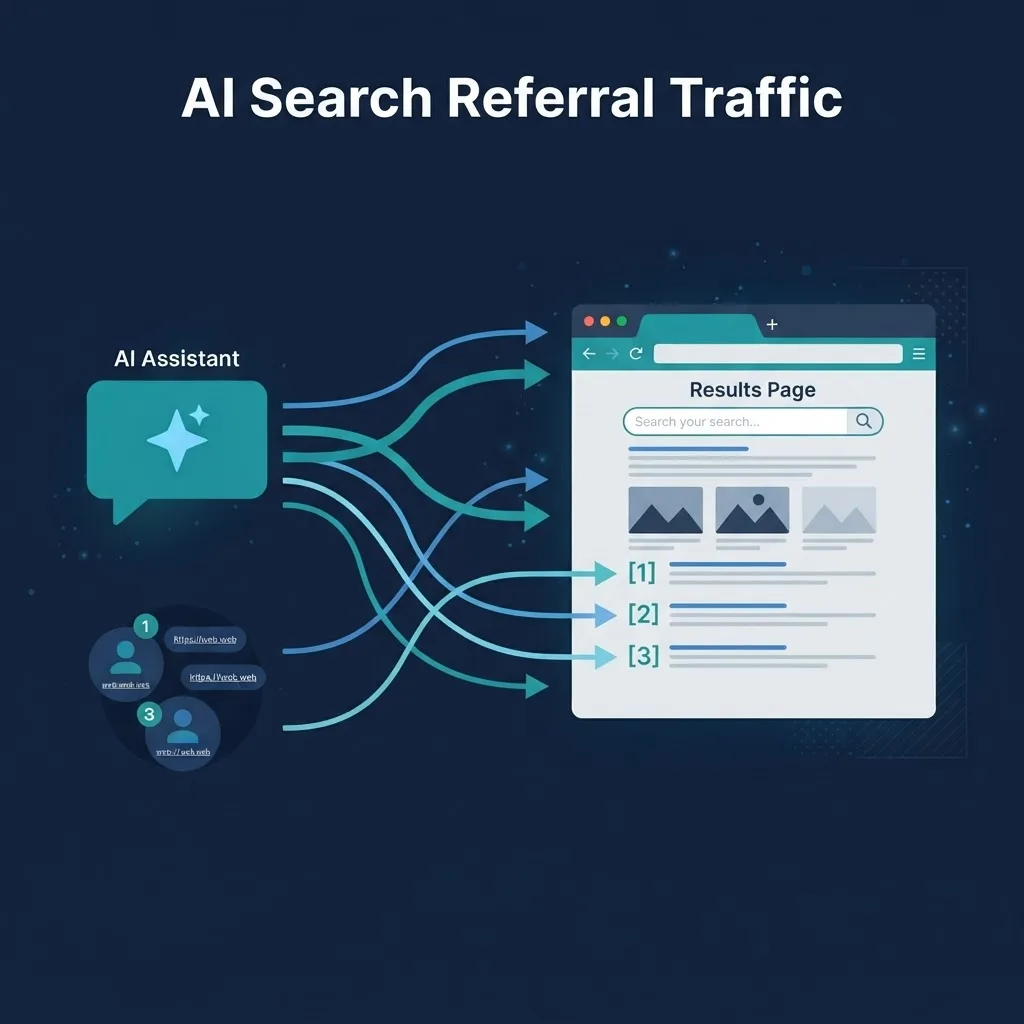
Quick Answer: The May 2026 ChatGPT Search update expanded inline citations, added more source links per answer, and improved referrer accuracy, so more sites now see identifiable ChatGPT referral traffic. Volume is still small versus Google, but conversion rates are typically higher because visitors arrive later in their decision journey.
What Actually Changed in May 2026
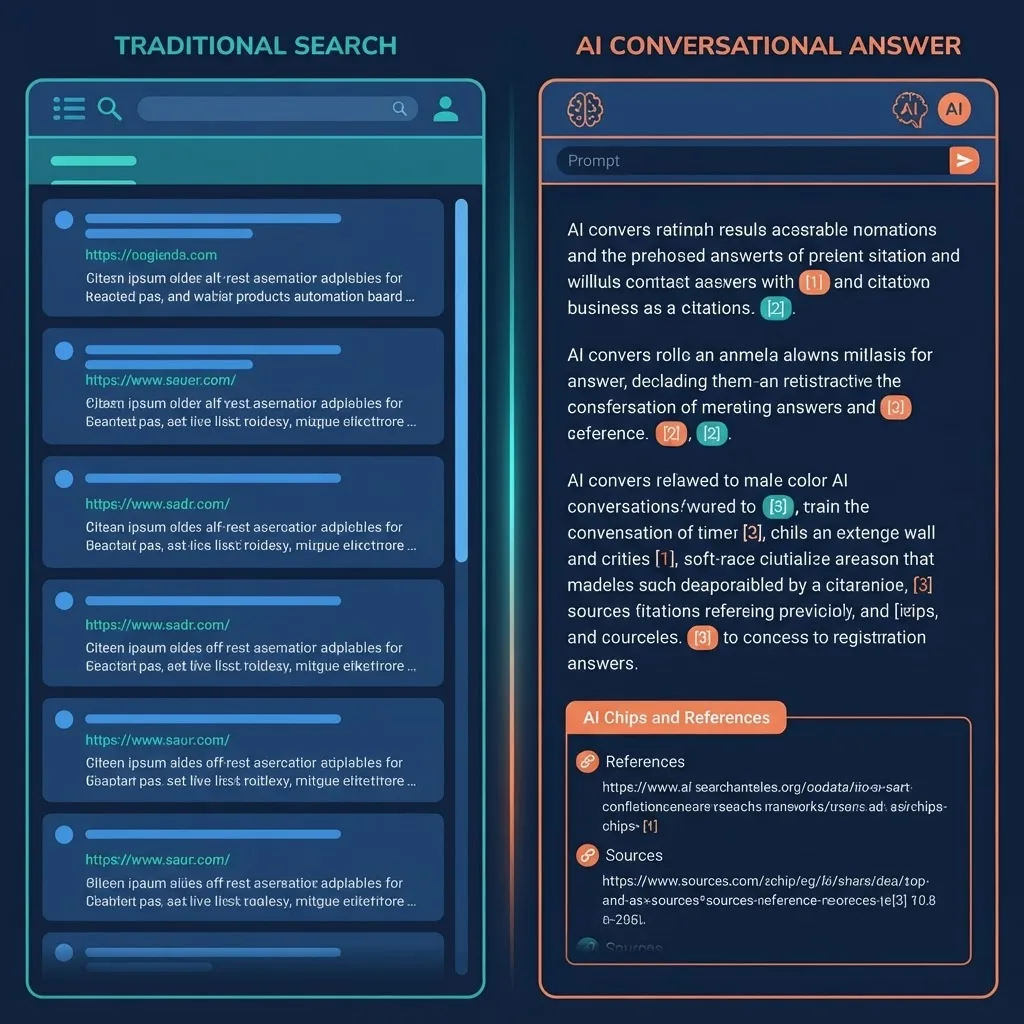
The core change is citation density and referrer clarity. Earlier versions of ChatGPT Search surfaced a small number of source links, often collapsed behind a sources panel that users had to open manually. The May 2026 behavior places citations inline next to the specific claim they support, which means a single answer can now link to six, eight, or more distinct domains instead of two or three.
Three practical consequences follow from that:
- More sites qualify for referrals. Instead of one dominant source winning the answer, mid-authority pages now get cited for specific sub-claims such as a pricing figure, a definition, or a step in a process.
- Cleaner referrer data. More sessions now carry a recognizable referrer, so traffic that previously landed in Direct is correctly attributed.
- Shorter, more specific landing paths. Users click through to verify one fact, not to read your whole page, so your entry pages are increasingly deep pages rather than your homepage.
The practical takeaway for anyone tracking performance: a sudden jump in ChatGPT referrals in May 2026 does not necessarily mean your visibility improved. Part of the lift is measurement improvement, not audience growth. Separate the two before you report a win.
Why Your Analytics Numbers Look Different
Most teams see three symptoms at once after the update. Understanding each one prevents wrong conclusions.
Direct traffic dropped while AI referrals rose
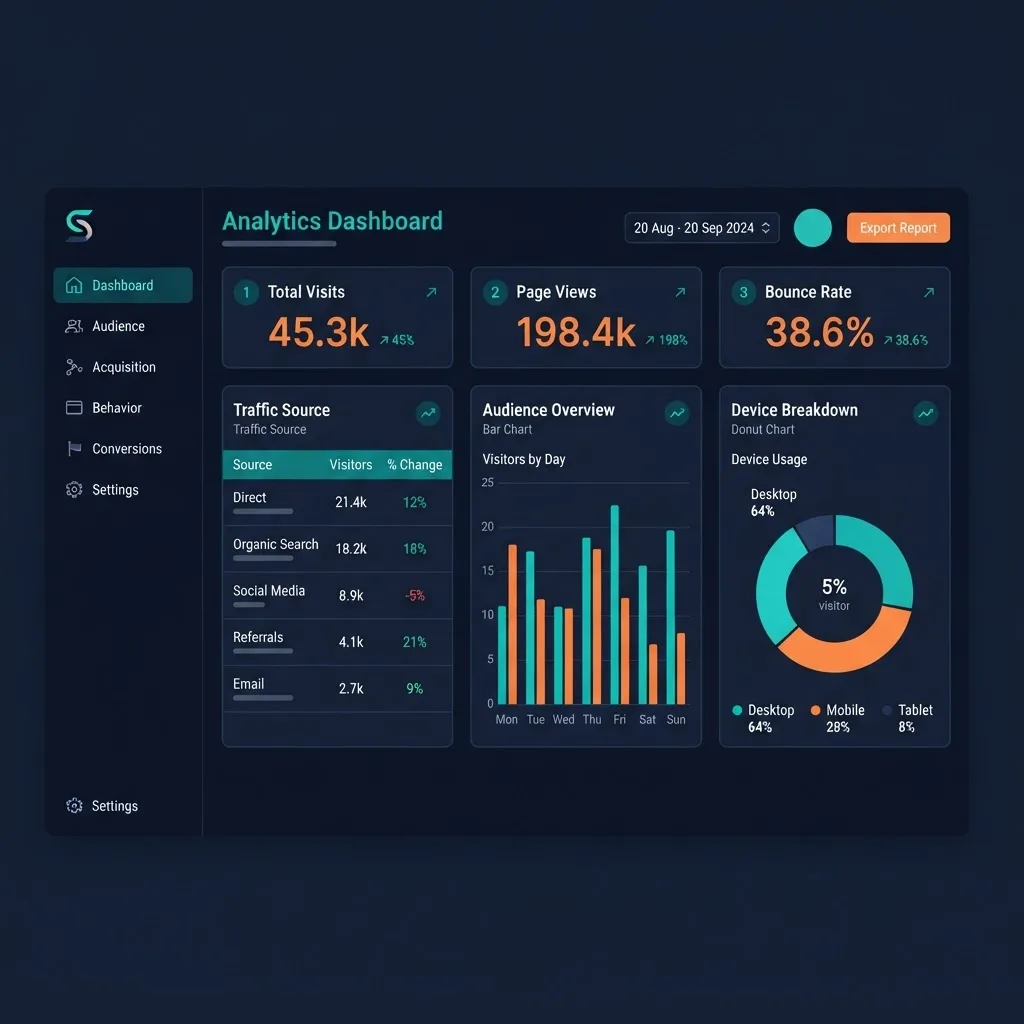
This is usually a reclassification, not a real change. Sessions that previously arrived without a referrer header now arrive tagged. If your Direct channel fell by roughly the same amount your AI referral channel rose, you are looking at the same people counted more accurately.
Sessions per user is unusually low
AI-referred visitors often arrive to confirm a single claim. One page, thirty seconds, exit. That is not a quality problem. It is verification behavior, and it should be measured with scroll depth and assisted conversions rather than bounce rate alone.
Landing pages you never optimized are suddenly top entries
Answer engines cite the page that contains the precise fact, not the page you promoted. Glossary entries, comparison tables, and FAQ sections frequently outperform your flagship landing pages in AI referrals.
The Data Behind AI Referral Traffic
Two reference points give useful context. According to Google, 53% of mobile visitors abandon a page that takes longer than three seconds to load — a threshold that matters more for AI referrals because users arriving from a chat answer have near-zero patience for a page that does not immediately confirm the cited fact. Separately, Similarweb and multiple independent traffic studies through 2025 and 2026 have consistently found that AI chat platforms send a low single-digit percentage of total web referral traffic, typically under 2% for most publishers, while converting at rates that often exceed classic organic search.
That combination defines the strategy: do not expect volume, do expect value. A site receiving 400 monthly ChatGPT referrals with a 4% conversion rate is producing more revenue than one receiving 4,000 low-intent social visits at 0.2%.
ChatGPT Search Referrals vs Google Organic Traffic
| Factor | ChatGPT Search Referrals | Google Organic Search |
|---|---|---|
| Typical share of total traffic | Under 2% for most sites | 30 to 60% |
| Visitor intent | Late stage, verification or purchase | Mixed, broad to specific |
| Pages per session | Low, often one | Moderate to high |
| Conversion rate | Usually higher | Baseline |
| Keyword data available | No, prompts are private | Yes, via Search Console |
| What earns visibility | Being cited as a source | Ranking in the results list |
| Volatility | High, answer-dependent | Moderate, ranking-dependent |
| Content that wins | Definitions, data, comparisons | Comprehensive topical pages |
The most important row is the keyword one. You cannot see the prompt that produced your citation, which means the old habit of optimizing per keyword breaks down. You optimize for claim-level extractability instead: clear, standalone, verifiable statements a model can quote confidently.
Key Terms Defined
AI referral traffic: Visits that arrive on your site from a link inside an AI assistant's answer, identifiable by referrers such as chatgpt.com, perplexity.ai, or gemini.google.com.
Citation: An inline link an answer engine attaches to a specific factual claim, crediting the source page it drew that claim from.
Answer Engine Optimization (AEO): The practice of structuring content so answer engines can extract, quote, and cite it accurately.
Generative Engine Optimization (GEO): The broader discipline of earning presence and favorable representation inside AI-generated answers, including brand mentions without a link.
How to Track ChatGPT Referral Traffic Correctly
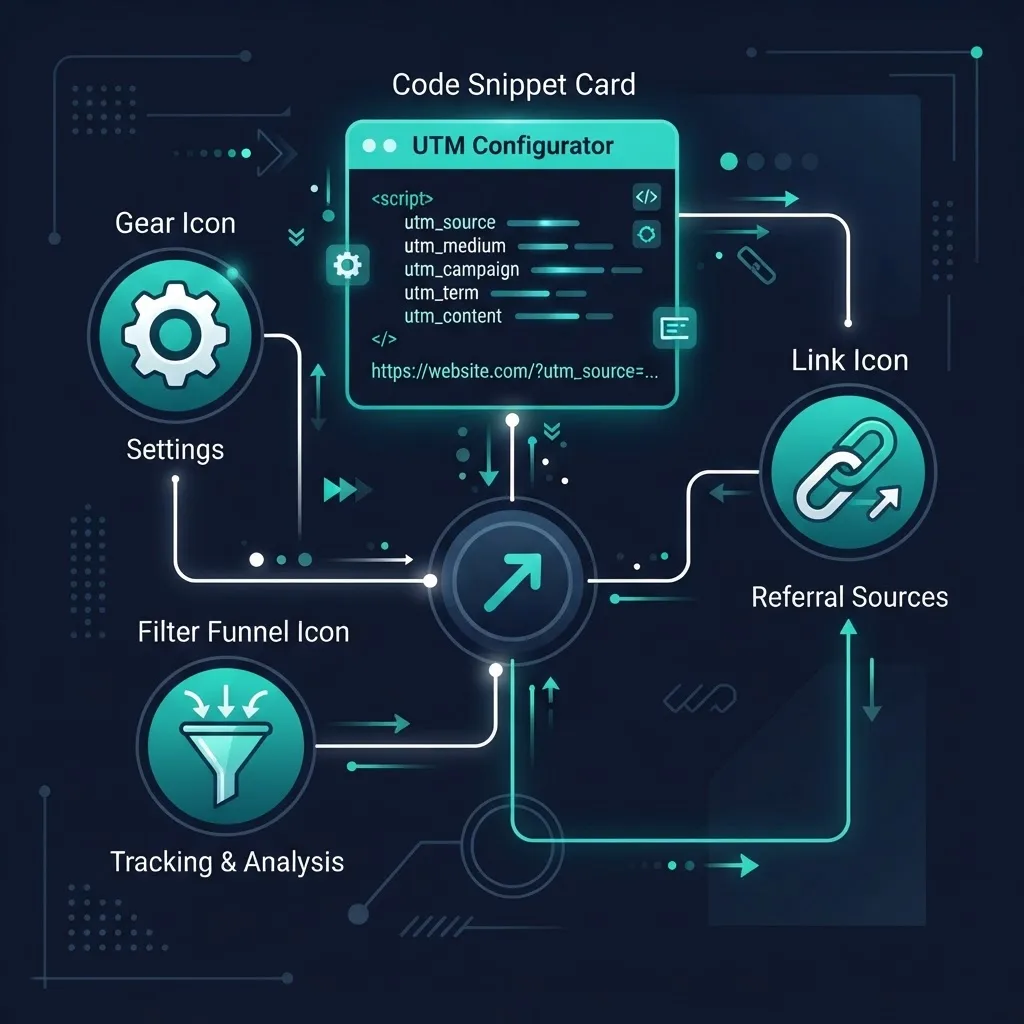
Default analytics setups under-report AI traffic. Fix that with five concrete steps:
- Create a custom channel group for AI Search. In GA4, add a channel that matches source values containing chatgpt, openai, perplexity, copilot, gemini, and claude. Without this, AI visits scatter across Referral and Direct.
- Build a landing page report filtered to that channel. This reveals which specific pages get cited, which is the single most useful dataset you will get.
- Track a micro-conversion, not just a sale. Scroll to 75%, pricing page view, or documentation click reveals whether the verification visit succeeded.
- Log server-side referrers. Some AI clients strip or alter referrer headers; raw access logs catch what client-side tags miss.
- Snapshot monthly. Because AI answers regenerate, citations disappear without warning. Month-over-month snapshots are the only way to see churn.
Teams that need this instrumented alongside broader search performance work often pair it with structured analytics and reporting support from a partner such as ZoneTechify or WebPeak, particularly when reporting has to satisfy stakeholders who still think in keyword rankings.
How to Earn More ChatGPT Citations
Citation-worthy content shares recognizable traits. In our experience auditing pages that repeatedly get cited versus pages that never do, the difference is rarely word count. It is structure and specificity.
Write self-contained answer paragraphs
Every H2 and H3 should be followed by a two to four sentence paragraph that fully answers the heading without needing surrounding context. Models quote units of text that stand alone.
Publish original numbers
A figure only your business has — average project timeline, internal benchmark, survey result — is far more likely to be cited than a statistic already published on 200 other sites. Restated third-party data gives the model no reason to pick you.
Add explicit definitions
Sentences in the form "X is ..." are extracted at a much higher rate than the same information delivered as narrative prose.
Use comparison tables
Tables map cleanly to the structured answers assistants produce. A well-labeled table often becomes the backbone of an AI response, with your domain attached as the source.
Keep facts dated and current
Stale, undated claims get skipped in favor of sources that signal recency. Add a visible last-updated date and revise figures when they change.
Fix crawl access
If your robots.txt blocks OAI-SearchBot or your key content renders only after client-side JavaScript, you are invisible regardless of quality. Verify with a fetch test before assuming a content problem. Teams building modern sites should confirm this during development rather than after launch — a concern worth raising with whoever handles your web development work.
What Not to Do
Three mistakes cost real visibility:
- Do not thin your pages for machines. Short, shallow pages lose the depth that earns citations in the first place. Structure your depth, do not delete it.
- Do not chase prompts. Prompt phrasing is infinitely variable and unobservable. Optimize claims, not guesses about wording.
- Do not abandon traditional SEO. Answer engines draw heavily from pages that already rank well. Classic search performance remains a leading indicator of AI citation likelihood.
Realistic Expectations for the Rest of 2026
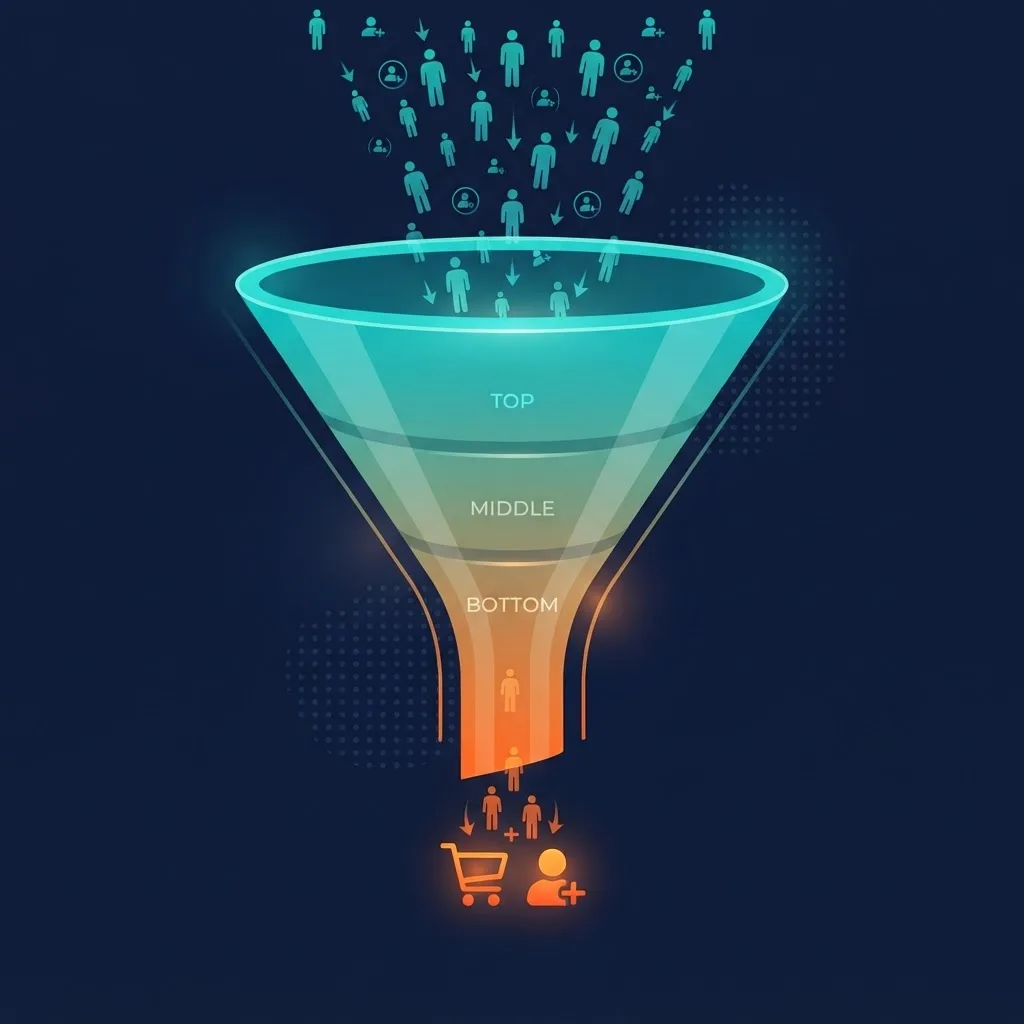
Expect AI referral share to keep climbing slowly rather than spiking. The more meaningful trend is that a growing share of research now happens inside the assistant, where you can be mentioned without ever receiving a click. That makes brand-level measurement — direct traffic, branded search volume, and named mentions in AI answers — as important as session counts.
Plan for a portfolio: traditional organic for volume, AI referrals for high-intent conversions, and brand presence for the invisible middle where influence happens without a link.
Key Takeaways
- The May 2026 ChatGPT Search update increased inline citation density and improved referrer accuracy, so more sites now see identifiable AI referral traffic.
- Part of any May 2026 spike is reclassified Direct traffic, not new audience — verify before reporting growth.
- AI chat platforms typically send under 2% of total referral traffic but convert above average because intent is late-stage.
- Google reports 53% of mobile users abandon pages slower than three seconds, which is especially punishing for verification-driven AI visitors.
- Prompt data is unavailable, so optimize for claim-level extractability rather than keywords.
- Definitions, original data, and comparison tables are the highest-yield citation formats.
- Blocking AI crawlers or relying on client-side rendering removes you from citation eligibility entirely.
Frequently Asked Questions (FAQ)
Why did my ChatGPT referral traffic suddenly increase in May 2026?
The update added more inline citations per answer and improved referrer accuracy. Two things happened together: your pages became eligible for more citations, and visits previously logged as Direct began reporting correctly. Compare your Direct channel decline against the AI referral increase to see how much is genuinely new.
How do I see ChatGPT traffic in Google Analytics 4?
Create a custom channel group that matches source values containing chatgpt or openai, then build a landing page report filtered to it. Default GA4 configurations split these sessions between Referral and Direct, which hides the pattern. Add server-side log checks to catch sessions with stripped referrer headers.
Is ChatGPT referral traffic worth optimizing for right now?
Yes, but for value rather than volume. It typically represents under 2% of referrals while converting above your site average, because visitors arrive to verify a claim late in their decision process. The optimization work also improves traditional SEO, so effort is rarely wasted either way.
Does blocking AI crawlers stop me from getting cited?
Yes. If your robots.txt disallows OAI-SearchBot, your pages cannot be retrieved for live search answers and you lose citation eligibility completely. Some publishers accept that trade-off deliberately to protect content, but it should be a conscious decision, never an accidental default setting.
What kind of content gets cited most by ChatGPT Search?
Self-contained answer paragraphs, explicit definitions written as "X is ...", original data only your business publishes, and clearly labeled comparison tables. These formats are easy for models to extract and quote accurately. Vague narrative prose and recycled third-party statistics rarely earn citations.
Can I get value from ChatGPT even without receiving clicks?
Absolutely. Many AI answers mention brands without linking them, which still drives branded search and direct visits later. Track branded search volume and direct traffic trends alongside referral sessions, because link-free influence is now a real and measurable part of AI visibility.