
Discover how artificial intelligence is transforming Hawaii across tourism, agriculture, healthcare, energy, and business with real examples, data, and practical insights.
Artificial Intelligence Hawaii
Artificial intelligence is no longer a mainland-only conversation. Across the Hawaiian Islands, AI is quietly reshaping how hotels greet visitors, how farmers protect crops, how doctors reach remote patients, and how the grid balances solar power at sunset. Hawaii faces a unique combination of challenges, geographic isolation, high energy costs, a tourism-dependent economy, and fragile ecosystems, and AI is proving to be a practical tool for solving each of them. This guide breaks down exactly how artificial intelligence is being used in Hawaii today, where it delivers the most value, and what local businesses should do to keep pace.

Quick Answer: Artificial intelligence in Hawaii is being used to optimize tourism, agriculture, healthcare, and renewable energy. AI tools help local businesses cut costs, manage limited resources, reach remote communities, and stabilize a solar-heavy power grid, making the islands one of the most interesting real-world AI testbeds in the United States.
What Does Artificial Intelligence in Hawaii Actually Mean?
Artificial intelligence (AI) refers to computer systems that perform tasks normally requiring human intelligence, such as recognizing patterns, predicting outcomes, and making decisions. In Hawaii, this translates into practical software that analyzes visitor data, monitors crop health, forecasts energy demand, and supports medical diagnosis across islands separated by ocean.
What makes Hawaii distinct is constraint. With roughly 1.4 million residents spread across multiple islands and the highest electricity prices in the nation, the islands cannot rely on cheap, abundant resources. AI thrives in exactly these conditions because it optimizes scarce inputs. That is why local organizations, from small tour operators to state agencies, are adopting AI faster than many people assume. Companies like ZoneTechify and WebPeak help island businesses implement these tools without needing an in-house data science team.
AI in Hawaii Tourism: Smarter Visitor Experiences
Tourism is the engine of Hawaii's economy, and it is where AI delivers the most immediate impact. According to the Hawaii Tourism Authority, visitor spending regularly exceeds $17 billion annually, which means even small efficiency gains produce major results.
Here is how AI is being applied across the visitor journey:
- Dynamic pricing: Hotels and rental platforms use AI to adjust room rates in real time based on demand, weather, flight data, and seasonality.
- Personalized recommendations: AI engines suggest activities, restaurants, and tours based on a traveler's behavior and preferences.
- Chatbots and concierge bots: Resorts deploy 24/7 multilingual assistants to handle bookings and questions, reducing front-desk load.
- Crowd and sustainability management: Predictive models help spread visitors across attractions to protect fragile sites like Hanauma Bay.
The result is a better guest experience and lower operational waste, a combination that directly improves margins for island businesses.

AI in Hawaiian Agriculture: Protecting Limited Land
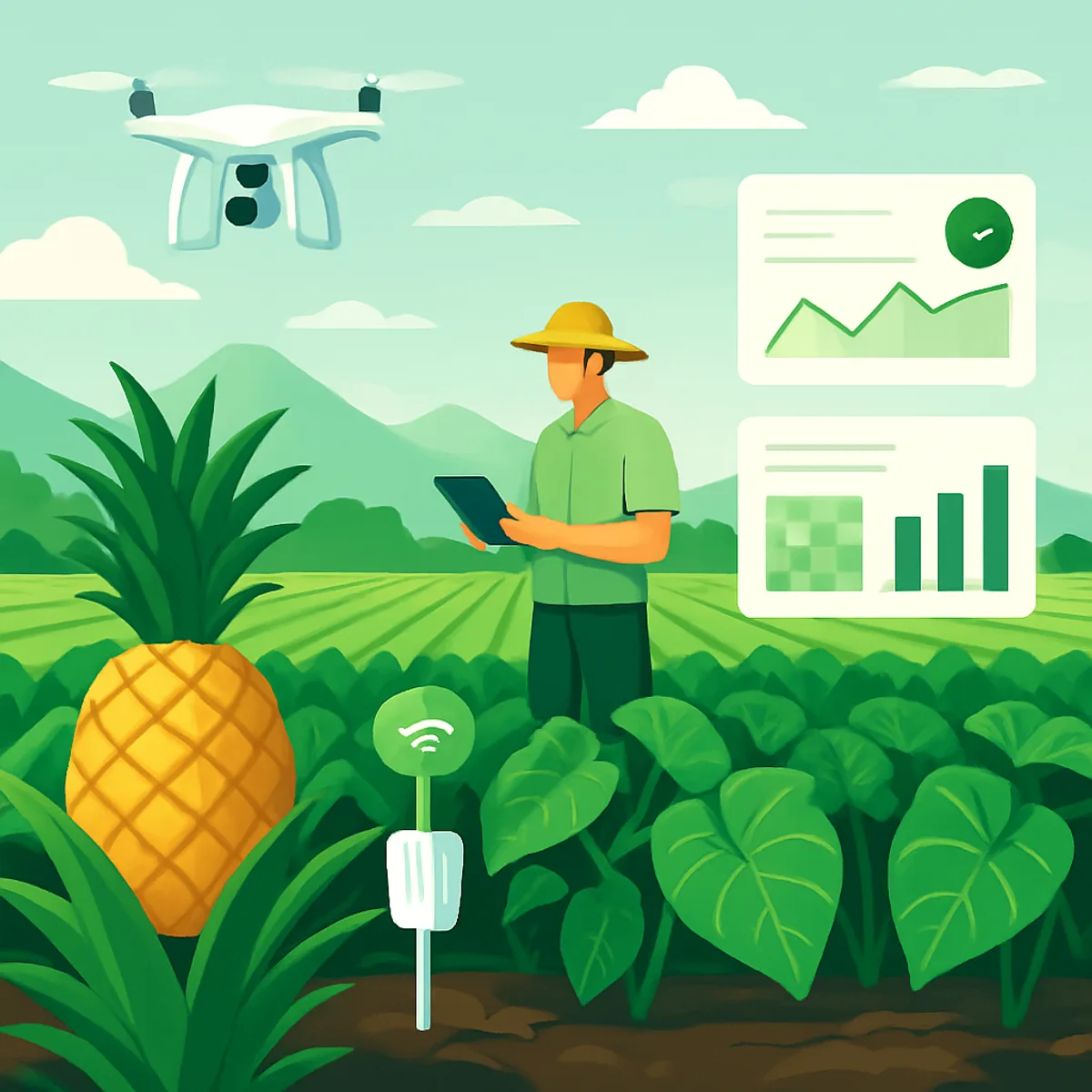
Hawaii imports an estimated 85 to 90 percent of its food, making local agriculture a matter of resilience, not just economics. AI helps farmers do more with the islands' limited arable land and unpredictable microclimates.
Practical agricultural AI applications include:
- Precision irrigation that uses soil sensors and weather data to deliver water only where needed, critical in drought-prone areas.
- Computer vision that detects pests, disease, and nutrient deficiencies in crops like taro, coffee, and pineapple before they spread.
- Yield forecasting that helps small farms plan harvests and reduce waste.
- Invasive species tracking using image recognition to identify threats to native ecosystems.
For a state working toward food sovereignty, these tools are not luxuries, they are survival infrastructure. AI lets a small Big Island coffee farm operate with the data sophistication once reserved for industrial agriculture.
AI in Hawaii Healthcare: Closing the Distance Gap
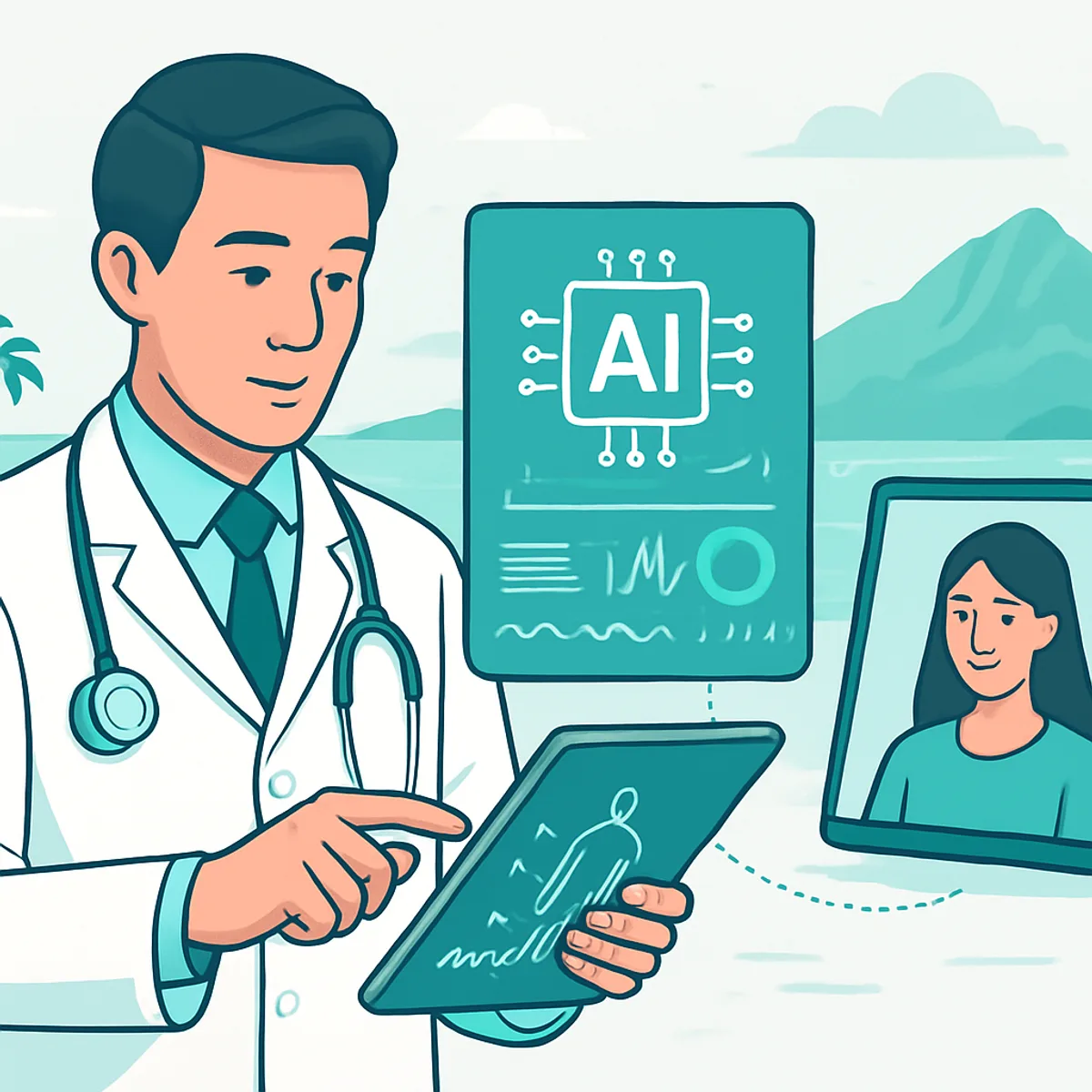
Healthcare in Hawaii is defined by geography. Patients on Molokai, Lanai, and rural areas of the Big Island often live far from specialists. AI-powered telemedicine and diagnostics are directly addressing this access gap.
Key healthcare uses include AI-assisted medical imaging that flags abnormalities for radiologists, predictive tools that identify high-risk patients before complications occur, and natural language systems that reduce administrative paperwork for overworked clinicians. Telehealth platforms enhanced with AI triage help route patients to the right level of care without an inter-island flight.
The trustworthiness factor matters here: reputable deployments keep a human clinician in the loop, using AI as decision support rather than a replacement. That balance is what makes adoption both safe and effective across Hawaii's island health networks.
AI and Renewable Energy: Powering the Islands Intelligently
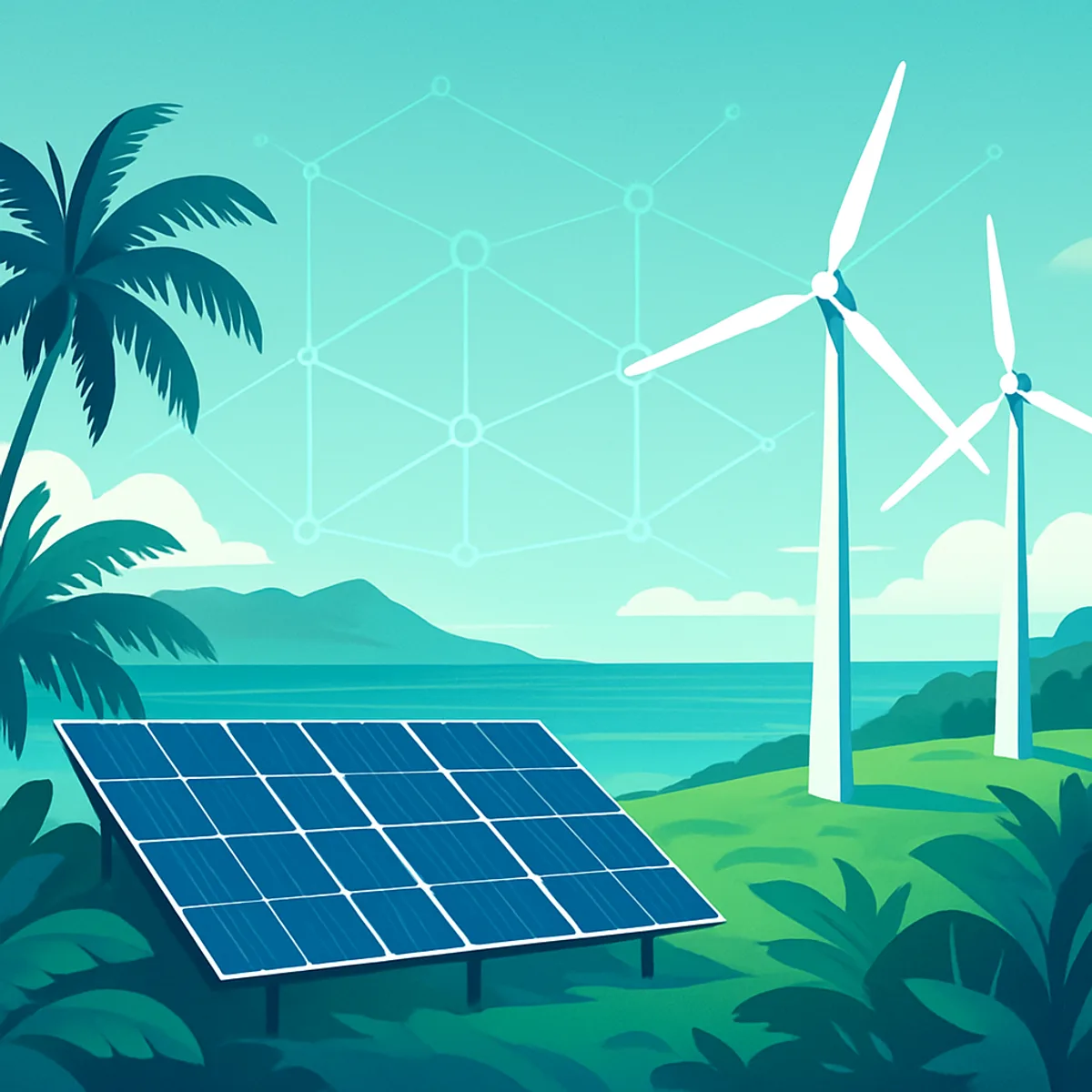
Hawaii has committed to 100 percent renewable electricity by 2045, the most aggressive clean energy mandate of any U.S. state. AI is essential to hitting that target because renewable energy is intermittent, and island grids have no neighboring states to borrow power from.
AI manages this complexity by:
- Forecasting solar and wind output using weather and satellite data to predict generation hours in advance.
- Balancing the grid in real time as rooftop solar surges midday and drops at sunset.
- Optimizing battery storage to decide exactly when to store and release energy.
- Predicting demand so utilities avoid costly fossil-fuel backup generation.
Because Hawaii's grid is isolated, it functions as a real-world laboratory for AI energy management that the rest of the world is watching closely.
AI Across Industries in Hawaii: A Comparison
The table below summarizes where AI delivers the clearest value across Hawaii's major sectors.
| Sector | Primary AI Use | Main Benefit | Adoption Maturity |
|---|---|---|---|
| Tourism | Personalization and pricing | Higher revenue and guest satisfaction | High |
| Agriculture | Precision farming | Reduced waste and water use | Medium |
| Healthcare | Diagnostics and telehealth | Better rural access | Medium |
| Energy | Grid and storage optimization | Reliable renewable power | High |
| Small Business | Marketing and automation | Lower costs | Growing |
How Hawaii Businesses Can Start Using AI
Getting started with AI does not require a massive budget. Most island businesses see the fastest returns by automating repetitive tasks first. Follow this practical sequence:
- Identify a bottleneck: Pick one slow, repetitive process, such as customer inquiries or inventory tracking.
- Choose a focused tool: Start with a single AI solution rather than an enterprise overhaul.
- Train on your own data: Local context, languages, and customer behavior make AI outputs far more accurate.
- Measure results: Track time saved and revenue gained over 60 to 90 days.
- Scale what works: Expand only after proving value on a small scale.
Partnering with experienced providers shortens this curve. Specialized artificial intelligence services help local companies deploy practical, compliant AI without trial-and-error guesswork, while WebPeak's AI solutions focus on integrating automation into existing workflows.
The Future of Artificial Intelligence in Hawaii
The next decade will deepen AI's role in island life. Expect smarter disaster preparedness, AI is already improving wildfire and flood prediction after recent tragedies, alongside more autonomous transportation pilots, ocean and reef monitoring through computer vision, and AI-driven conservation of native species. As edge computing improves, more of this processing will happen locally, reducing dependence on mainland data centers and lowering latency.
The defining theme is balance. Hawaii's culture values stewardship of the land, or aina, and the most successful AI deployments will be those that protect natural and cultural resources rather than exploit them. AI that respects this value will earn community trust, and trust is what ultimately determines adoption.
Key Takeaways
- Artificial intelligence in Hawaii is most impactful in tourism, agriculture, healthcare, and renewable energy.
- Hawaii targets 100 percent renewable electricity by 2045, and AI grid management is critical to achieving it.
- The islands import roughly 85 to 90 percent of their food, making agricultural AI a resilience priority.
- Visitor spending exceeding $17 billion annually means AI efficiency gains in tourism scale quickly.
- Successful AI adoption keeps humans in the loop and respects Hawaii's cultural value of land stewardship.
Frequently Asked Questions (FAQ)
How is artificial intelligence used in Hawaii?
Artificial intelligence in Hawaii powers tourism personalization, precision agriculture, telemedicine, and renewable energy grid management. Because the islands face high costs and limited resources, AI helps businesses and agencies optimize scarce inputs, reach remote communities, and stabilize a solar-heavy power grid efficiently.
Is AI worth it for small Hawaii businesses?
Yes. Small island businesses often see fast returns by automating repetitive tasks like customer inquiries, scheduling, and inventory. Starting with one focused AI tool, training it on local data, and measuring results over 60 to 90 days delivers measurable savings without requiring a large upfront investment.
How does AI help Hawaii's renewable energy goals?
AI forecasts solar and wind output, balances the grid in real time, and optimizes battery storage. Since Hawaii's grid is isolated and aims for 100 percent renewable electricity by 2045, AI is essential for managing intermittent power without relying on costly fossil-fuel backup generation.
Can AI improve healthcare access on remote Hawaiian islands?
Absolutely. AI-enhanced telehealth platforms triage patients, while AI-assisted imaging flags abnormalities for specialists. This reduces the need for inter-island flights to see doctors, closing the healthcare access gap for residents on Molokai, Lanai, and rural Big Island communities while keeping clinicians in control.
What industries in Hawaii benefit most from AI?
Tourism and energy currently show the highest AI maturity, followed by agriculture and healthcare. Small businesses are adopting AI for marketing and automation at a growing pace. Each sector benefits because AI optimizes the limited land, energy, and labor resources that define Hawaii's island economy.
Where can Hawaii businesses get help implementing AI?
Local businesses can partner with specialized providers like ZoneTechify and WebPeak, which offer artificial intelligence services tailored to island needs. These partners handle tool selection, data training, and integration, helping companies adopt practical, compliant AI without building an in-house data science team from scratch.