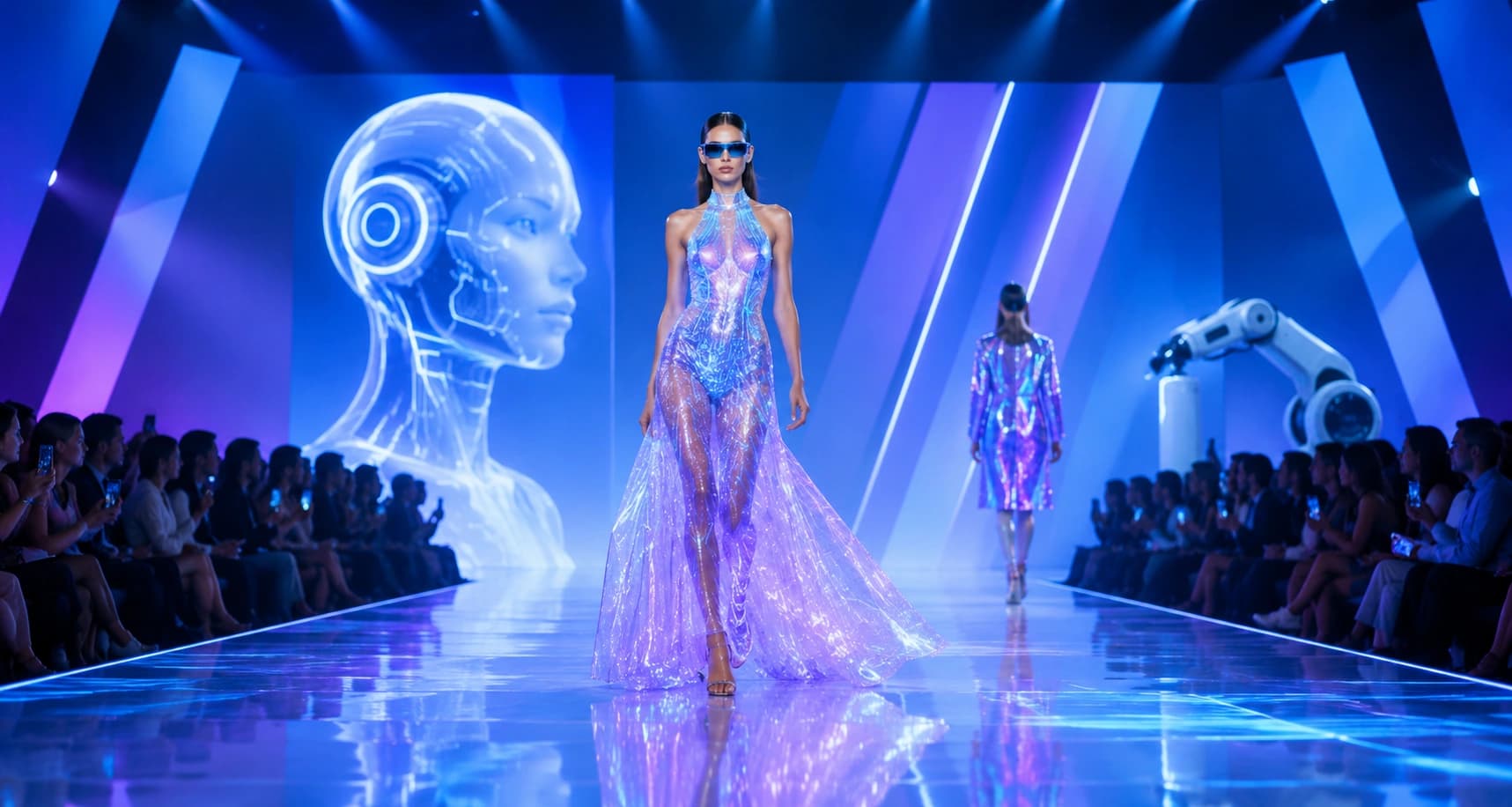
Discover how AI is reshaping fashion shows, from AI-generated models and virtual runways to trend forecasting and immersive audience experiences.
Artificial Intelligence Fashion Show
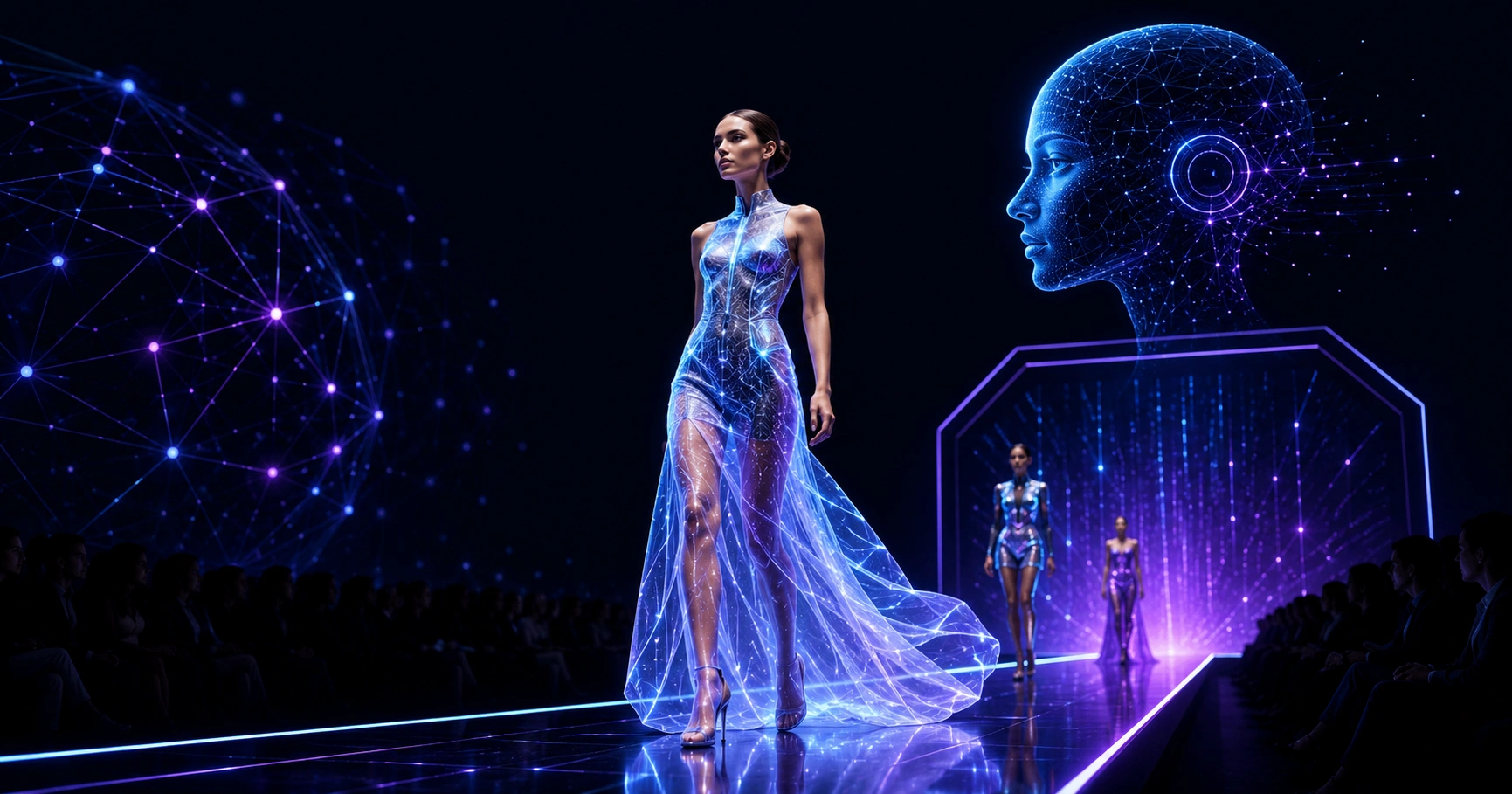
The runway has always been fashion's most theatrical stage, but a quiet revolution is changing what happens on it. The artificial intelligence fashion show blends data, design, and digital performance into events that were impossible just five years ago. From AI-generated models to real-time trend analytics projected behind the catwalk, technology is no longer a backstage tool. It is the show itself. Brands like Balmain, Tommy Hilfiger, and Coperni have already experimented with AI and robotics on the runway, signaling a permanent shift rather than a passing gimmick.
In this guide, we break down exactly what an AI fashion show is, how it works, who is using it, and what it means for designers, brands, and audiences. As a team that builds AI-driven digital experiences at ZoneTechify, we have watched this space mature from novelty to necessity.
Quick Answer: An artificial intelligence fashion show uses AI to design garments, generate virtual models, forecast trends, and create immersive runway experiences. It combines generative design, digital avatars, and data analytics to produce faster, more personalized, and more sustainable fashion presentations than traditional shows.
What Is an Artificial Intelligence Fashion Show?
An artificial intelligence fashion show is a fashion presentation where AI plays a central role in creating, styling, or staging the collection. Instead of relying solely on human designers and physical models, these shows use machine learning to generate clothing concepts, render photorealistic digital models, and personalize the experience for viewers in real time.
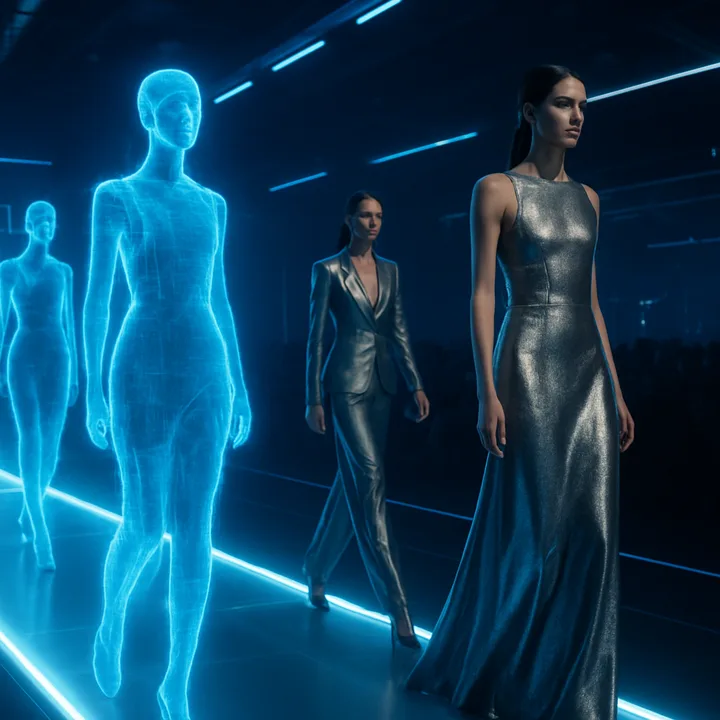
There are three common formats. The first is a physical show enhanced by AI, where data visualizations, AI lighting, or robotic elements appear on a real runway. The second is a fully virtual show, staged entirely in a digital environment with AI-generated avatars. The third is a hybrid event, mixing real models with holograms or projected AI content. Each format answers a different goal, whether that is spectacle, cost reduction, or global reach.
How AI Powers the Modern Runway
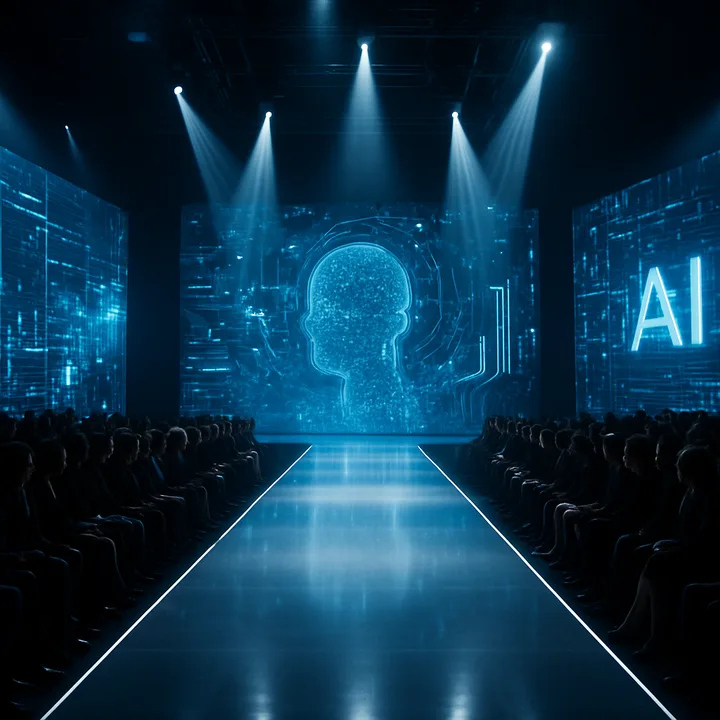
AI touches nearly every stage of a modern fashion show. Understanding these layers helps explain why adoption is accelerating across the industry.
1. Generative Design
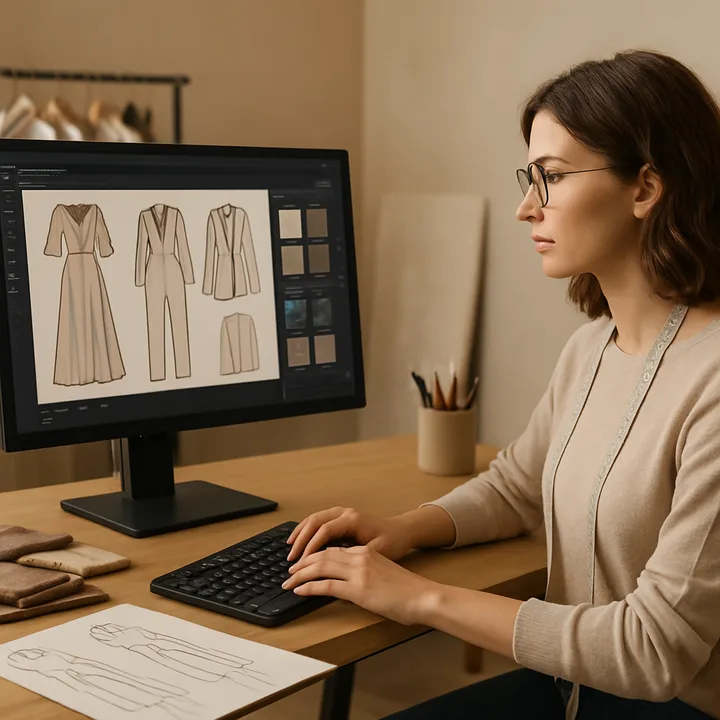
Generative AI tools can produce thousands of garment variations from a single text or image prompt. Designers feed the model their aesthetic, fabric constraints, and color palette, then review AI-generated concepts in minutes rather than weeks. This does not replace creativity. It expands it by removing the slow first-draft stage and letting designers focus on refinement.
2. AI-Generated Models
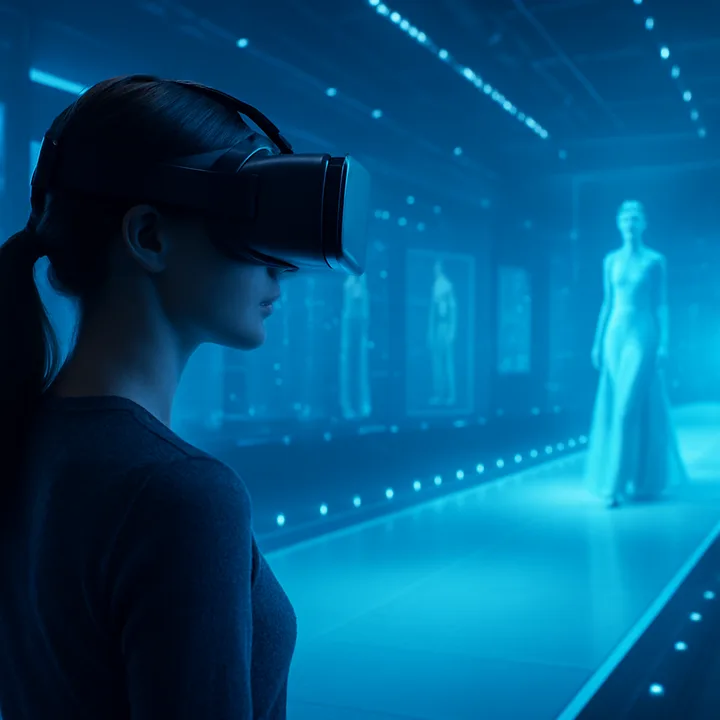
Digital avatars now walk virtual runways with realistic movement, skin texture, and facial expressions. These models never need flights, fittings, or rest, and they can represent a far wider range of body types, ages, and ethnicities than a single casting call typically allows.
3. Trend Forecasting
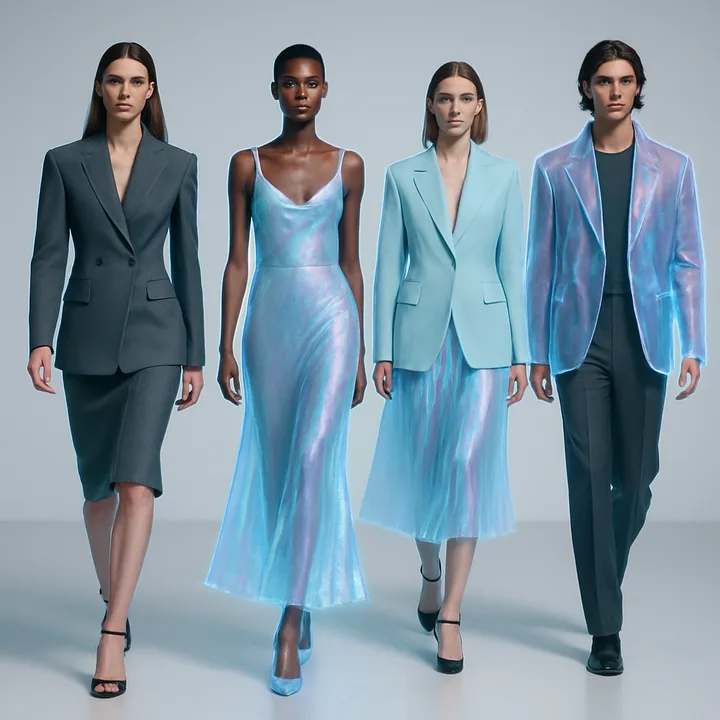
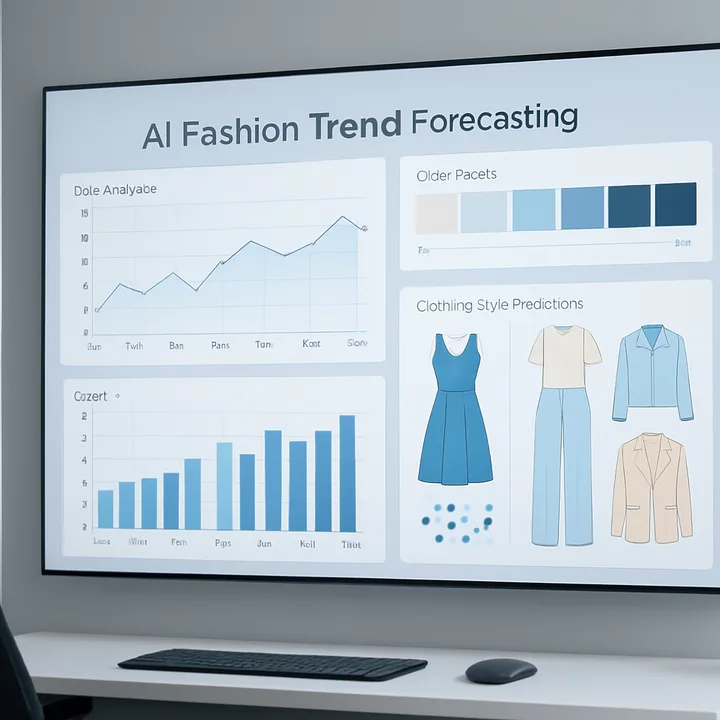
AI analyzes social media, search data, runway archives, and sales figures to predict which colors, silhouettes, and fabrics will sell next season. According to McKinsey's State of Fashion report, companies using AI-driven forecasting have cut inventory waste and improved demand accuracy, two of the industry's most expensive problems.
4. Real-Time Personalization
During virtual shows, AI can adjust what each viewer sees based on their preferences, location, or past purchases, turning a single broadcast into thousands of tailored experiences.
The Design Process Behind an AI Fashion Show
Building an AI fashion show follows a clear, repeatable workflow. Here is how leading studios approach it:
- Define the creative direction with mood boards, themes, and brand constraints.
- Train or prompt the AI using the brand's existing collections and visual identity.
- Generate and curate designs, selecting the strongest AI concepts for development.
- Render digital models and environments using 3D and generative tools.
- Stage the show, whether physical, virtual, or hybrid.
- Analyze audience data afterward to refine the next collection.
This structured approach is why teams that specialize in artificial intelligence services can deliver consistent results instead of one-off experiments. The same principles also guide our AI work at WebPeak, where data and design meet to build reliable production systems.
Traditional vs. AI Fashion Shows
The differences between conventional and AI-driven shows are significant. The table below compares the two across the factors that matter most to brands.
| Factor | Traditional Fashion Show | AI Fashion Show |
|---|---|---|
| Production cost | High (venue, models, travel) | Lower for virtual formats |
| Setup time | Weeks to months | Days to weeks |
| Model diversity | Limited by casting | Virtually unlimited |
| Global reach | Physical attendance | Instant worldwide streaming |
| Sustainability | High material waste | Reduced physical samples |
| Personalization | One experience for all | Tailored per viewer |
| Data insights | Limited | Rich, real-time analytics |
The takeaway is not that AI shows are always better. Physical runways still carry prestige and tactile impact. But for reach, speed, and sustainability, AI offers measurable advantages.
Why Brands Are Adopting AI Fashion Shows
The business case is straightforward. Fashion is one of the most resource-intensive industries on earth, and AI directly attacks its biggest inefficiencies.
First, sustainability is a growing priority. The fashion industry is responsible for roughly 10% of global carbon emissions, according to the United Nations Environment Programme. Virtual samples and digital shows cut down on physical prototypes, shipping, and waste.
Second, cost efficiency appeals to emerging designers who cannot afford a Paris or Milan venue. A virtual AI show lets a small label present globally for a fraction of the price.
Third, speed to market matters more than ever. AI compresses the design-to-runway timeline, letting brands respond to trends while they are still relevant.
The Audience Experience Is Changing
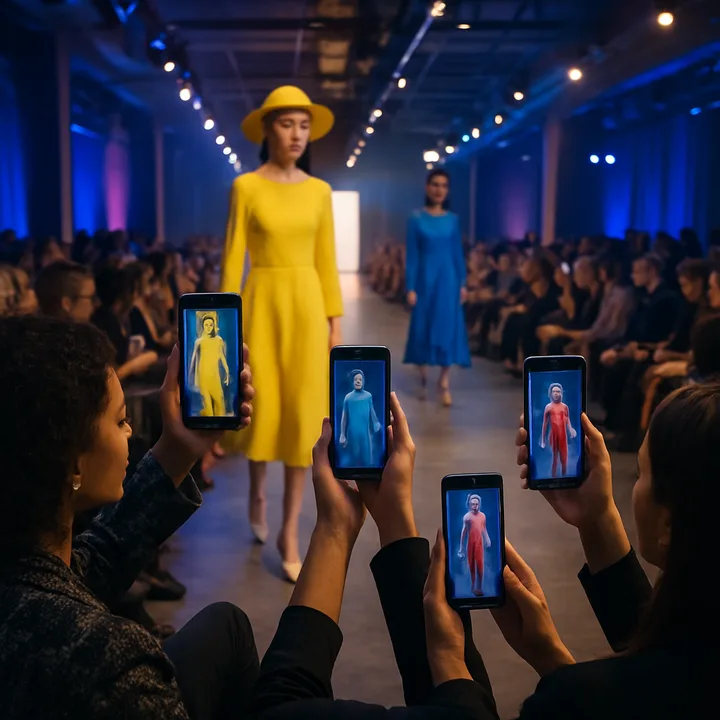
AI does not just change how shows are made. It changes how they are watched. Augmented reality apps let viewers try on runway pieces virtually, while interactive streams let audiences vote on favorites or explore garments in 360 degrees. This two-way engagement turns passive viewers into active participants and gives brands valuable behavioral data.
For consumers, this means the gap between seeing a piece on the runway and owning it shrinks dramatically. Some shows now offer instant purchase links tied to each look, blending entertainment and e-commerce into a single seamless moment.
Trend Forecasting: The AI Advantage
One of the most practical uses of AI in fashion is predicting what people will want before they know it themselves. AI trend forecasting tools process millions of data points, including runway images, influencer posts, and regional sales, to surface patterns humans would miss.
This matters because overproduction is the industry's silent crisis. By forecasting demand accurately, brands produce closer to what will actually sell, reducing both waste and lost revenue. The designers who pair human intuition with AI data consistently outperform those relying on instinct alone.
Challenges and Ethical Considerations
No honest discussion of AI fashion shows ignores the friction. AI-generated models raise real questions about job displacement for human models, photographers, and stylists. There are also concerns about authenticity, bias in training data, and who owns AI-generated designs.
The most responsible brands treat AI as a collaborator, not a replacement. They disclose when models are digital, audit their data for bias, and keep human designers in creative control. Trust, after all, is the currency of any fashion brand, and transparency protects it.
The Future of AI Fashion Shows
Looking ahead, expect the line between physical and digital runways to blur completely. Holographic models will share stages with real ones, AI stylists will personalize collections per customer, and shows will become continuous digital experiences rather than seasonal events.
The brands that win will be those that treat AI as a creative partner while keeping human storytelling at the center. Technology sets the stage, but emotion still sells the clothes.
Key Takeaways
- An AI fashion show uses artificial intelligence for design, virtual models, trend forecasting, and immersive staging.
- Major brands including Balmain and Coperni have already integrated AI and robotics into runways.
- The fashion industry produces about 10% of global carbon emissions (UNEP), and AI helps reduce waste through virtual samples.
- AI shows offer lower costs, faster production, unlimited model diversity, and global reach versus traditional formats.
- The most successful adopters use AI as a collaborator while keeping human creativity and transparency central.
Frequently Asked Questions (FAQ)
What is an artificial intelligence fashion show?
An artificial intelligence fashion show is a runway event where AI designs garments, generates virtual models, or stages the presentation. It blends generative design, digital avatars, and real-time data to create faster, more personalized, and more sustainable fashion experiences than traditional shows.
Do AI fashion shows replace human models?
Not entirely. AI-generated models are common in virtual shows, but many events still use human models or mix both. Responsible brands treat AI as a creative tool that expands diversity and reach while keeping human designers and performers central to the experience.
Are AI fashion shows more sustainable?
Yes, in most cases. Virtual samples and digital runways reduce physical prototypes, shipping, and material waste. Since fashion creates around 10% of global carbon emissions, AI-driven shows offer a measurable path toward lower-impact, more efficient production for forward-thinking brands.
How does AI predict fashion trends?
AI analyzes millions of data points, including runway archives, social media, search behavior, and sales figures. It identifies emerging colors, silhouettes, and fabrics earlier than humans can, helping brands produce closer to real demand and reduce both overproduction and lost revenue.
Can small brands afford AI fashion shows?
Absolutely. Virtual AI shows remove the cost of venues, travel, and physical samples, letting emerging designers present globally for far less. This accessibility is one of the biggest reasons AI fashion shows are growing quickly among independent and direct-to-consumer labels.