
A practical, expert guide to Artificial Intelligence BinaryMove: how it works, real business benefits, key use cases, and what its data-driven approach means for the future of AI.
Artificial Intelligence BinaryMove

Artificial intelligence has moved from buzzword to backbone, and "BinaryMove" captures the core idea behind it: every intelligent decision a machine makes is built on the movement of binary data through layered systems that learn, adapt, and predict. Whether BinaryMove represents a product, a framework, or simply the philosophy of treating AI as the intelligent movement of binary information, the practical questions are the same. How does it actually work? Where does it create measurable value? And how can a business adopt it without wasting budget? After years of building and deploying AI systems for real clients, our team at ZoneTechify has seen what separates AI that ships results from AI that stalls in a demo. This guide answers those questions directly.
Quick Answer: Artificial Intelligence BinaryMove refers to the data-driven approach where AI systems convert raw binary information into intelligent action through machine learning models. It helps businesses automate tasks, predict outcomes, and make faster decisions by moving and analyzing data at scale with accuracy.
What Is Artificial Intelligence BinaryMove?
Artificial Intelligence BinaryMove is the concept of using AI to intelligently process, move, and act on binary data so machines can perform tasks that normally require human reasoning. In plain terms, it is the engine that turns the ones and zeros inside your systems into useful predictions, classifications, and automated actions.
Key definition: Artificial intelligence is the ability of software to perform tasks associated with human intelligence, such as learning, reasoning, and pattern recognition. The "BinaryMove" element emphasizes the flow of data: AI is only as good as the data moving through it.
This matters because most AI failures are not algorithm failures. They are data movement failures, where information is incomplete, biased, or poorly structured before it ever reaches a model. Understanding AI as binary movement keeps the focus on the full pipeline, not just the flashy model at the end.
How Artificial Intelligence BinaryMove Works
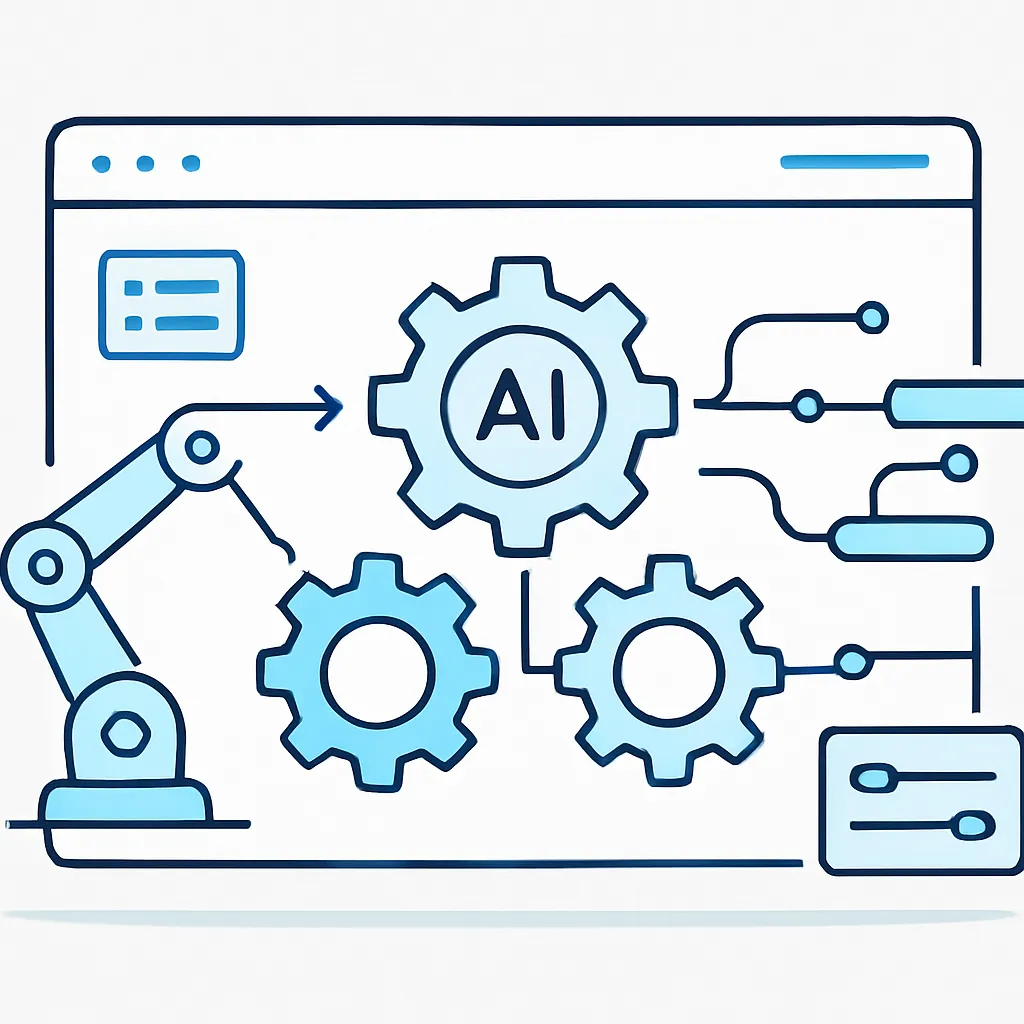
AI BinaryMove works by passing data through a structured pipeline, from raw input to intelligent output. Each stage either improves or degrades the final result, which is why disciplined engineering matters as much as the model itself.
Here is the simplified flow most modern AI systems follow:
- Data ingestion: Raw binary data (text, images, logs, transactions) enters the system.
- Preprocessing: Data is cleaned, normalized, and converted into numerical features a model can read.
- Model training: Algorithms learn patterns by adjusting internal weights across many examples.
- Inference: The trained model receives new data and produces a prediction or decision.
- Feedback loop: Results are measured, and errors feed back into retraining for continuous improvement.
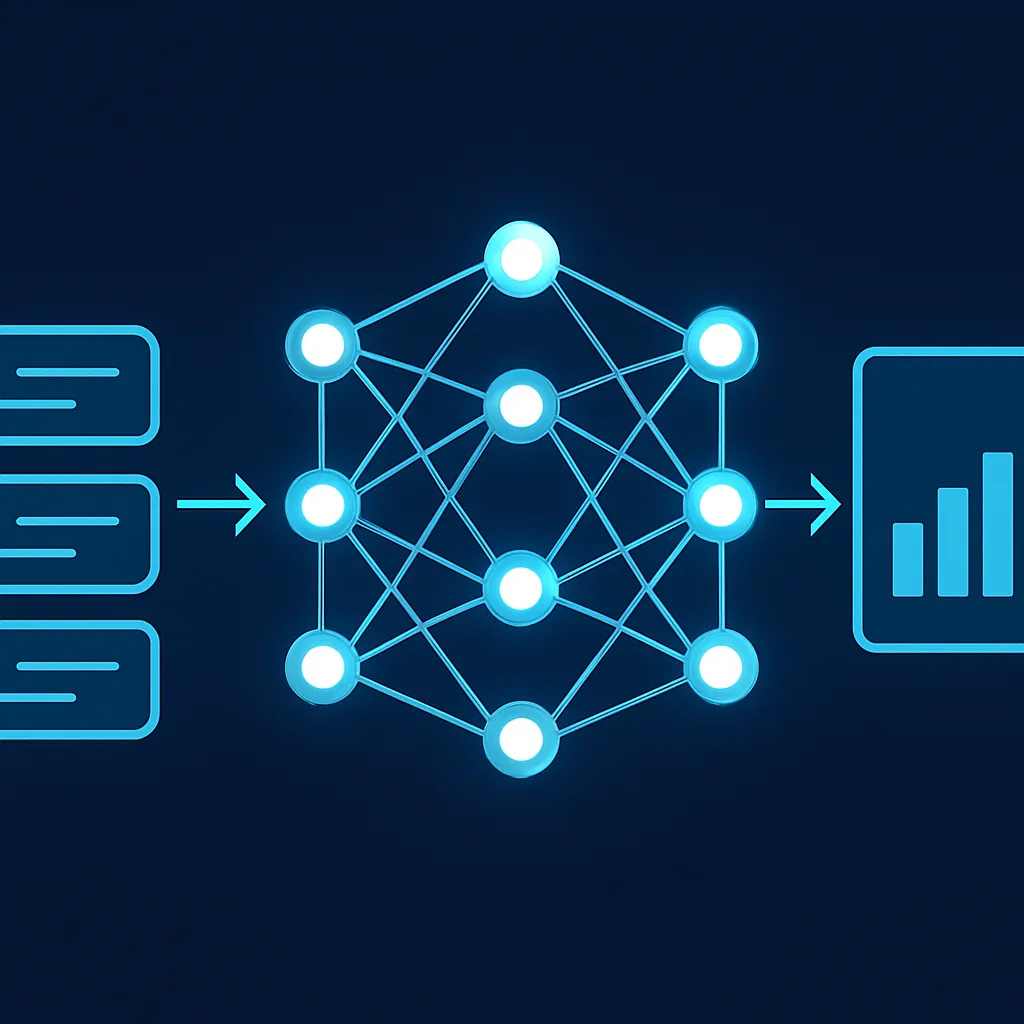
The feedback loop is the part teams most often skip, and it is the most important. According to research highlighted by Stanford's AI Index, model performance can degrade significantly over time as real-world data drifts away from training data. A BinaryMove approach treats monitoring and retraining as permanent operations, not one-time setup.
The Core Technologies Behind It
Several technologies combine to make AI BinaryMove possible. Knowing them helps you ask better questions when planning a project.
- Machine learning (ML): Systems that learn patterns from data instead of being explicitly programmed.
- Deep learning: Multi-layer neural networks that excel at images, audio, and language.
- Natural language processing (NLP): Allows machines to understand and generate human language.
- Computer vision: Lets systems interpret visual data such as photos and video.
- Automation orchestration: Connects AI outputs to real actions across software tools.
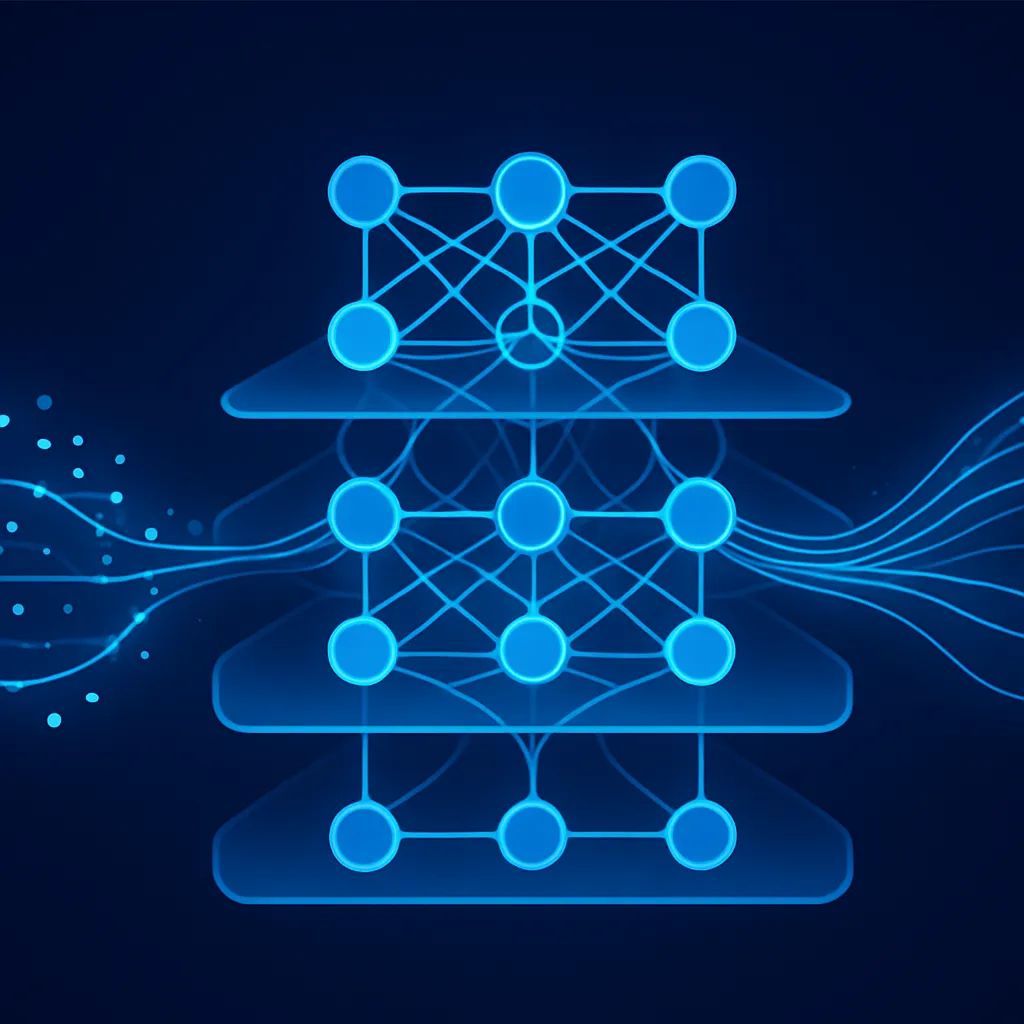
These layers stack together. For example, an e-commerce support tool might use NLP to read a customer message, ML to predict intent, and automation to issue a refund, all in under a second. If your project specifically requires custom model development or automation, our Artificial Intelligence services and WebPeak AI solutions are built around exactly this kind of end-to-end pipeline.
Real Business Benefits of AI BinaryMove
The value of AI BinaryMove is measurable, not abstract. Businesses adopt it to cut costs, accelerate decisions, and improve customer experience.
The most consistent, real-world benefits we see include:
- Faster decisions: Models analyze thousands of data points in milliseconds.
- Lower operational cost: Routine work like data entry and triage gets automated.
- Higher accuracy: Well-trained models reduce human error in repetitive analysis.
- Personalization at scale: Recommendations adapt to each user automatically.
- 24/7 availability: AI systems do not sleep, scaling support and monitoring around the clock.
The scale of adoption backs this up. According to McKinsey's State of AI research, the majority of organizations now report using AI in at least one business function, and a growing share attribute meaningful revenue gains to it. The lesson from our own deployments is simple: the companies that win start with one painful, high-volume problem rather than trying to "add AI everywhere."
Practical Use Cases You Can Apply Today
AI BinaryMove is not reserved for tech giants. Small and mid-sized businesses can deploy practical, ROI-positive use cases quickly.
- Customer support automation: AI chatbots resolve common questions and escalate complex ones.
- Demand forecasting: Predict inventory needs to reduce overstock and stockouts.
- Fraud detection: Flag suspicious transactions in real time.
- Content and marketing: Generate drafts, summaries, and personalized campaigns.
- Predictive maintenance: Detect equipment failures before they happen.
Each of these shares the same BinaryMove pattern: data flows in, a model decides, and an automated action follows. Start with a use case where you already have clean historical data, because that is where AI delivers value fastest.
AI BinaryMove vs Traditional Automation
Many teams confuse AI with traditional rule-based automation. They overlap, but they are not the same, and choosing the wrong one wastes money.
| Factor | Traditional Automation | AI BinaryMove |
|---|---|---|
| Decision logic | Fixed rules written by humans | Learned patterns from data |
| Handles new situations | No, breaks on edge cases | Yes, adapts and generalizes |
| Data dependency | Low | High, needs quality data |
| Setup effort | Lower upfront | Higher upfront, scales better |
| Best for | Predictable, repetitive tasks | Complex, variable, high-volume tasks |
| Improves over time | No | Yes, via feedback loops |
The practical takeaway: use traditional automation for simple, stable workflows, and use AI BinaryMove when decisions involve nuance, prediction, or constantly changing inputs. Many strong systems combine both.
How to Adopt AI BinaryMove Without Wasting Budget
Adopting AI successfully is mostly about discipline, not hype. Based on real client work, here is the sequence that consistently avoids wasted spend.
- Define one clear problem with a measurable goal (for example, cut response time by 40%).
- Audit your data for quality, volume, and accessibility before building anything.
- Start with a small pilot instead of a company-wide rollout.
- Measure against a baseline so you can prove value with numbers.
- Plan for monitoring and retraining from day one.
- Keep humans in the loop for high-stakes decisions.
The biggest mistake we see is skipping step two. Teams get excited about models and ignore data readiness, then wonder why accuracy is poor. Treat data quality as the foundation of every BinaryMove project, because clean inputs are the single strongest predictor of success.
Risks and Responsible Use
AI BinaryMove is powerful, which means responsible use is not optional. Trustworthy systems protect users and the business at the same time.
The core risks to manage are:
- Bias: Models can amplify unfair patterns in training data.
- Privacy: Sensitive data must be handled with strong governance.
- Over-reliance: AI should support, not blindly replace, human judgment.
- Transparency: Users deserve to know when AI is involved in a decision.
Responsible AI is also good business. Customers trust brands that are transparent about how their data is used, and regulators increasingly require it. Build governance into the pipeline rather than bolting it on later.
The Future of Artificial Intelligence BinaryMove
The future of AI BinaryMove points toward smaller, faster, and more accessible models that run closer to where data lives. Instead of massive centralized systems only, expect efficient models embedded directly into apps, devices, and workflows.
Three trends stand out: multimodal AI that handles text, images, and audio together; on-device inference that improves speed and privacy; and AI agents that chain multiple steps autonomously. The common thread remains binary movement, intelligently routing data to the right model at the right time. Businesses that build clean, well-monitored pipelines now will adopt these advances with far less friction later.
Key Takeaways
- Artificial Intelligence BinaryMove is the data-driven movement of binary information through AI models to produce intelligent decisions and automated actions.
- AI success depends more on data quality and feedback loops than on the model alone.
- According to McKinsey, most organizations now use AI in at least one business function, and many report revenue gains.
- Use traditional automation for fixed rules and AI BinaryMove for complex, changing, high-volume tasks.
- Start small with one measurable problem, audit your data first, and plan for monitoring from day one.
- Responsible AI, addressing bias, privacy, and transparency, builds trust and protects long-term value.
Frequently Asked Questions (FAQ)
What does Artificial Intelligence BinaryMove actually mean?
It describes AI as the intelligent movement of binary data through learning systems. Raw data flows in, models process and learn from it, and automated decisions flow out. The term highlights that AI value depends on the entire data pipeline, not just the final algorithm or model.
Is AI BinaryMove only for large companies?
No. Small and mid-sized businesses benefit greatly because cloud platforms and pre-trained models lower the entry cost. Starting with one high-volume problem, like support automation or demand forecasting, lets smaller teams achieve measurable ROI without building expensive infrastructure or large data science departments from scratch.
How is AI different from regular automation?
Regular automation follows fixed rules written by humans and breaks on new situations. AI BinaryMove learns patterns from data, adapts to changing inputs, and improves over time through feedback. Use automation for predictable tasks and AI for complex, variable decisions that require prediction or nuanced judgment.
What data do I need to start an AI project?
You need relevant, reasonably clean, and accessible historical data tied to the problem you want to solve. Volume helps, but quality matters more. Audit your data for gaps, bias, and consistency before building, because poor input data is the most common reason AI projects fail.
Can AI BinaryMove be used responsibly?
Yes, and it should be. Responsible use means addressing bias in training data, protecting user privacy, keeping humans in the loop for high-stakes decisions, and being transparent about AI involvement. Building governance into the pipeline early protects users, ensures compliance, and strengthens long-term customer trust.
How long does it take to see results from AI?
A focused pilot can show measurable results within weeks when data is ready and the problem is clearly defined. Full optimization takes longer because models improve through ongoing feedback and retraining. Starting small with a clear baseline helps you prove value quickly before scaling further.