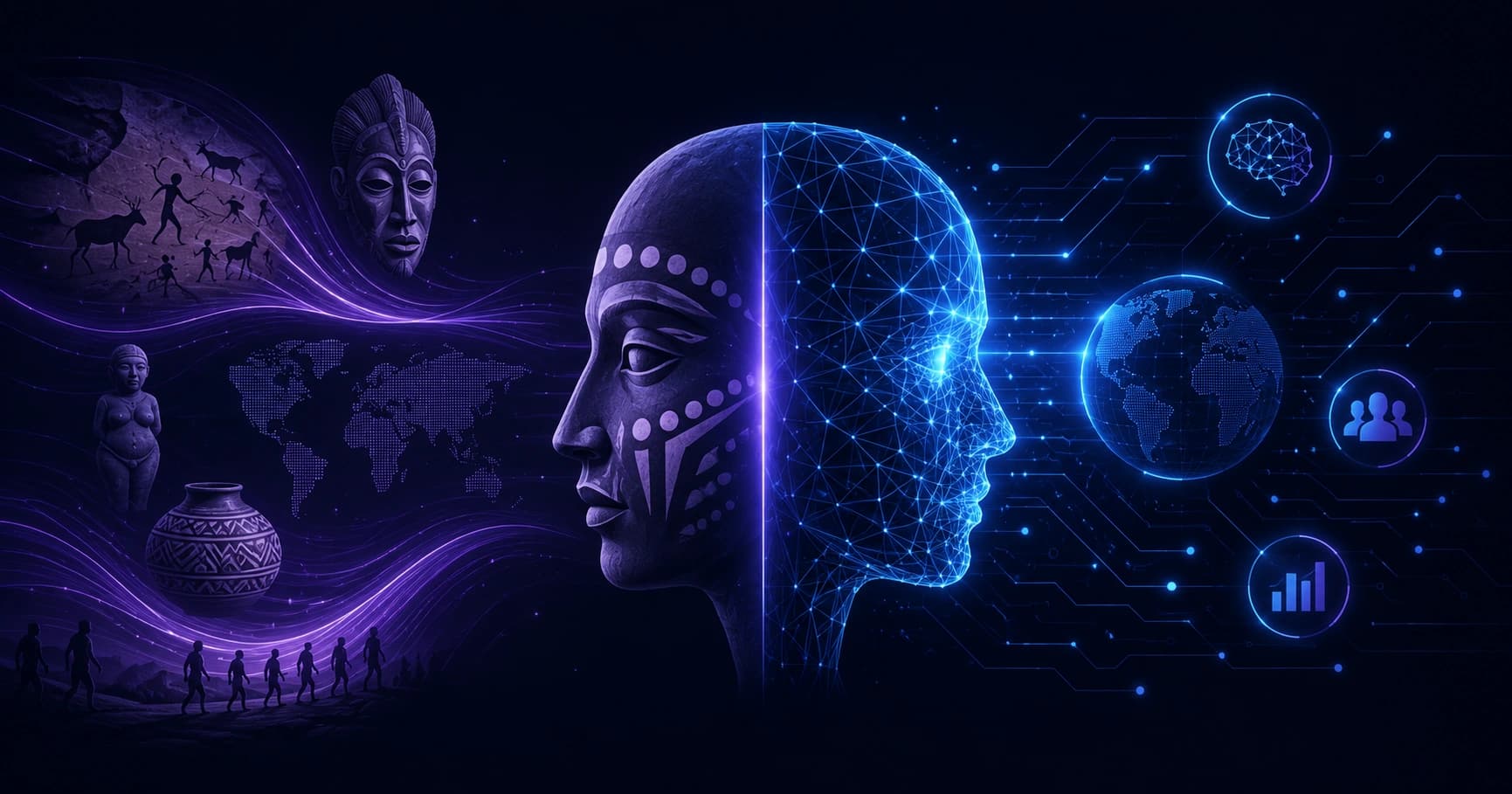
Explore how anthropology and artificial intelligence intersect, why human-centered research matters for AI, and how anthropologists shape fairer, smarter technology.
Anthropology and Artificial Intelligence
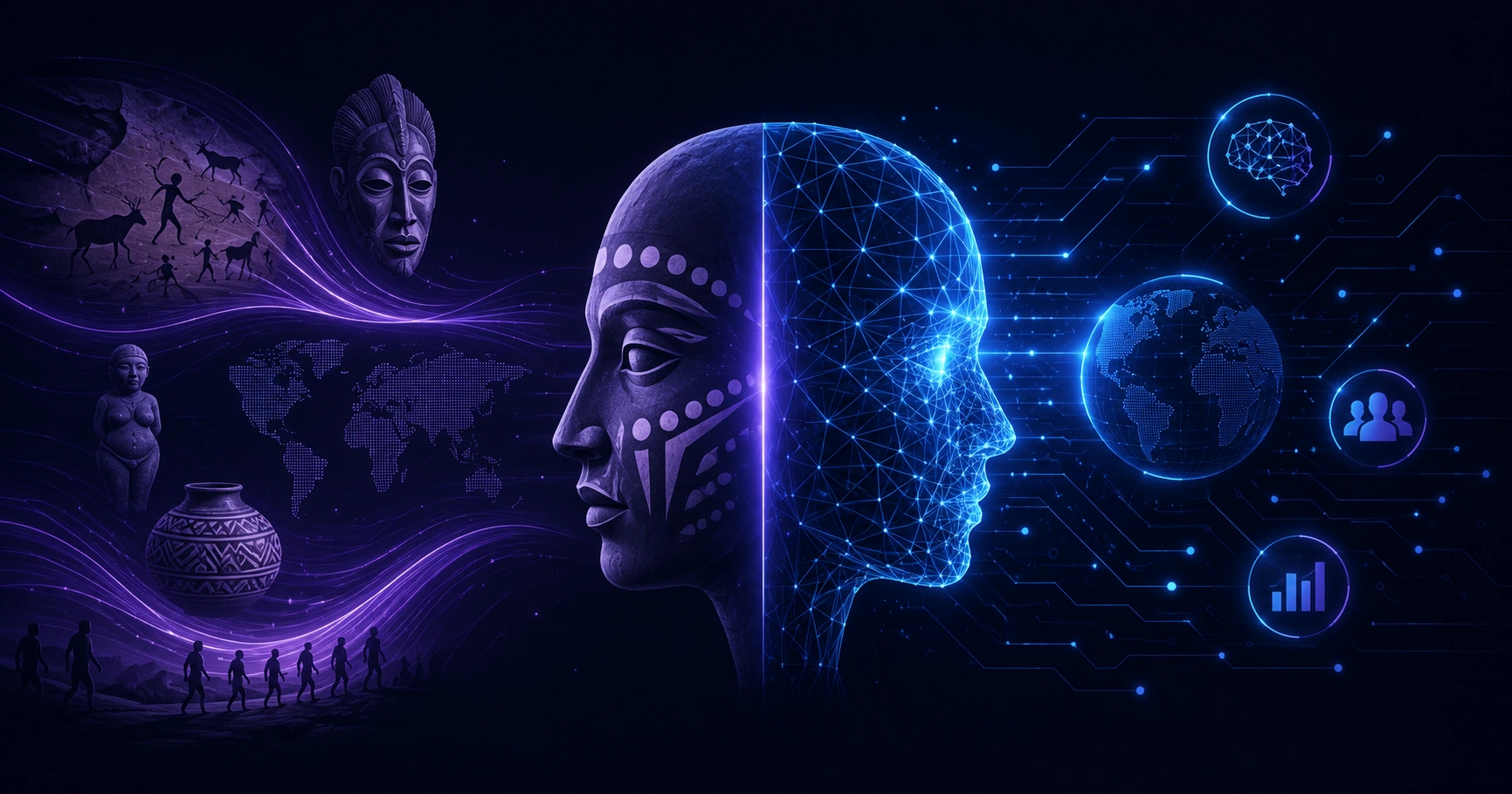
Artificial intelligence is often framed as a story about math, models, and computing power. Yet every dataset an algorithm learns from was produced by humans living inside cultures, languages, and social structures. That is precisely where anthropology and artificial intelligence meet. Anthropology, the study of human beings across time and cultures, gives AI something it cannot generate on its own: an understanding of why people behave the way they do. Having worked alongside data teams building real products at ZoneTechify, I have seen firsthand how models fail when they ignore human context and succeed when they respect it.
This article explains how these two fields connect, why the pairing matters right now, and how anthropological thinking produces more accurate, ethical, and useful AI systems.
Quick Answer: Anthropology and artificial intelligence intersect by combining the study of human culture and behavior with machine learning. Anthropologists help AI teams understand context, reduce bias, design ethical systems, and interpret data meaningfully, making AI more accurate, fair, and genuinely useful to real people.
What Is Anthropology in the Context of AI?
Anthropology is the systematic study of human societies, cultures, behaviors, and beliefs. In an AI setting, it becomes the discipline that interprets the human meaning behind data. When applied to technology, anthropologists ask questions engineers often skip: Who created this data? What social conditions shaped it? Whose experiences are missing?
The subfield most relevant here is digital anthropology, which studies how people interact with technology and online spaces. A closely related practice, ethnography, involves observing people in their natural environments to understand real behavior rather than assumed behavior. These methods matter because AI trained on incomplete or misunderstood human data produces incomplete or misleading results.

In short, anthropology supplies the context that raw statistics lack. An algorithm can tell you that a pattern exists; an anthropologist can tell you what that pattern means and whether acting on it is wise.
Why Anthropology Matters More Than Ever for AI
AI adoption is accelerating at a pace that outstrips our ability to study its social effects. According to McKinsey's Global Survey, 65% of organizations reported regularly using generative AI in 2024, nearly double the figure from the previous year. That rapid deployment means human-facing decisions, hiring, lending, healthcare triage, content moderation, are increasingly shaped by systems few users understand.
The stakes are cultural, not just technical. Consider three concrete reasons anthropology is now essential:
- Data reflects human bias. Training data captures historical inequalities, and models can amplify them if no one interrogates the source.
- Context changes meaning. A gesture, phrase, or image can mean opposite things in different cultures; AI trained on one worldview misreads others.
- Adoption depends on trust. People use tools they understand and abandon those that feel alien or invasive.
Google's own research on search behavior has long emphasized understanding intent over keywords, a fundamentally anthropological idea: meaning lives in context. The same principle now guides responsible AI development. Businesses investing in AI services increasingly recognize that cultural literacy is a competitive advantage, not a soft add-on.
How AI Is Transforming Anthropological Research
The relationship runs both directions. While anthropology improves AI, AI is dramatically expanding what anthropologists can study.

Processing Massive Cultural Datasets
Ethnographers once spent months manually coding interview transcripts and field notes. Today, natural language processing can surface themes across thousands of documents in hours, freeing researchers to focus on interpretation. Machine learning models can detect linguistic shifts, migration patterns, and social trends across decades of digitized archives.
Studying Online Communities at Scale
Digital anthropology has been transformed by AI's ability to analyze social networks, forum discussions, and public conversations. Researchers can map how ideas spread, how communities form identity, and how language evolves in real time, work that would be impossible manually.

Preserving Endangered Languages and Heritage
AI-driven speech recognition and translation tools now help document languages with only a handful of remaining speakers. This is one of the most hopeful intersections of the two fields: technology actively preserving human cultural diversity rather than eroding it.
The key caveat is that AI tools accelerate analysis but do not replace judgment. Interpretation, the heart of anthropology, still requires a human who understands nuance, irony, and cultural subtext.
The Problem of Cultural Bias in Machine Learning
Cultural bias in machine learning occurs when a model's outputs unfairly favor or misrepresent certain groups because of skewed training data or design assumptions. This is where anthropology becomes indispensable.
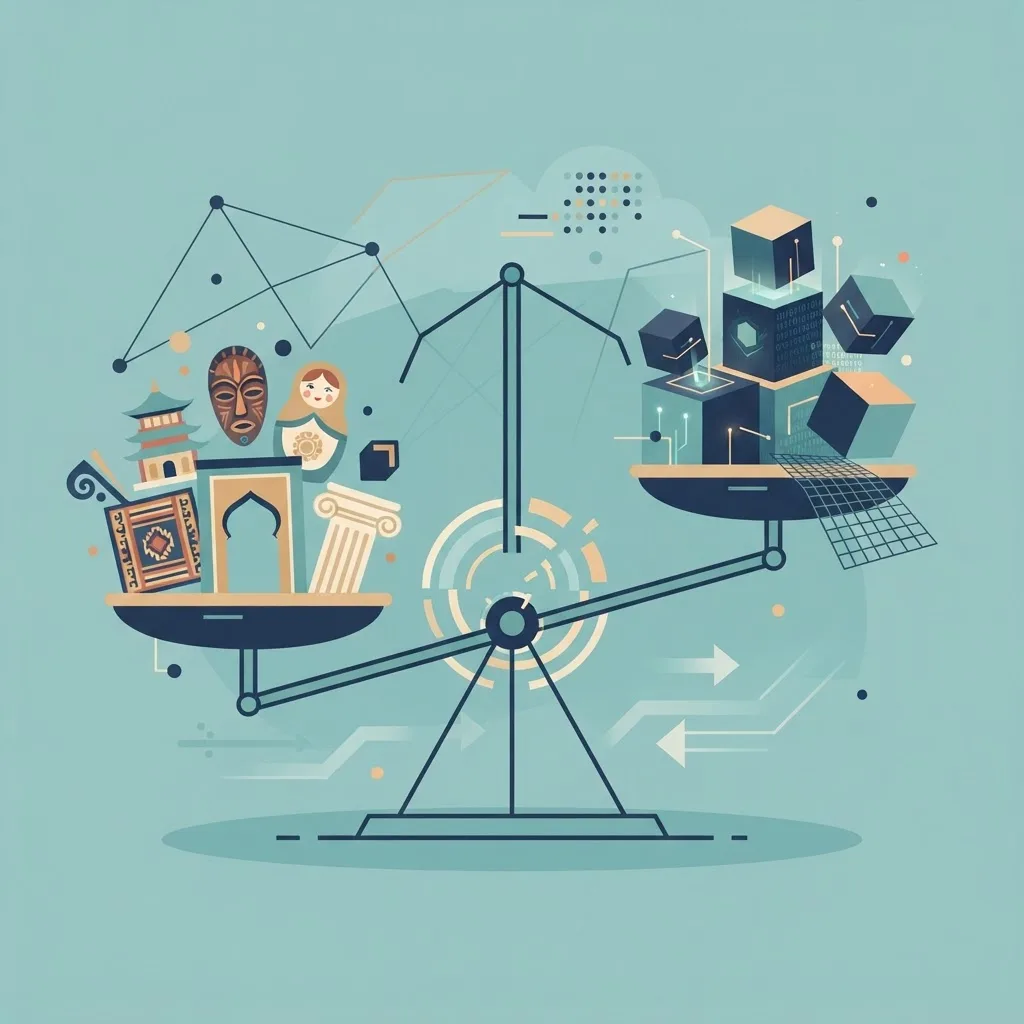
A widely cited example comes from the field of facial recognition. Research by Joy Buolamwini and Timnit Gebru found that some commercial facial-analysis systems had error rates of up to 34.7% for darker-skinned women compared to less than 1% for lighter-skinned men. The cause was not malicious code; it was training data that underrepresented certain populations. An anthropological lens, asking whose faces were included and whose were left out, would have flagged the gap early.
Anthropologists help teams audit these blind spots by:
- Mapping which populations are represented in datasets
- Identifying culturally loaded assumptions baked into labels and categories
- Testing how models behave across different social and linguistic groups
- Translating technical outcomes into real human consequences
This work protects both users and organizations. A biased model is not just an ethical failure; it is a business liability that damages trust and invites regulation.
Anthropologists Shaping Ethical and Human-Centered AI
Major technology companies now employ anthropologists and social scientists on AI teams precisely because technical accuracy is not the same as social appropriateness.

Their contributions typically fall into four areas:
- Research design - defining what a system should actually measure and why.
- User understanding - studying how diverse people really use a product versus how designers imagine they do.
- Ethical review - anticipating harm before deployment rather than reacting after.
- Communication - bridging the language gap between engineers, executives, and the public.
In practice, this means an anthropologist might observe how nurses use a diagnostic tool, discover that the interface assumes conditions that do not exist in a busy ward, and redesign it around real workflows. That grounded insight is what separates AI that helps from AI that frustrates. Companies offering AI-focused solutions at WebPeak increasingly build this human-centered research into their process from day one, rather than treating it as an afterthought.
Anthropology vs. Traditional AI Development: A Comparison
The difference between AI built with and without anthropological input is significant. The table below summarizes how the two approaches diverge.
| Factor | AI Without Anthropology | AI With Anthropology |
|---|---|---|
| Data understanding | Treats data as neutral numbers | Treats data as human-produced context |
| Bias handling | Detected late, if at all | Anticipated and audited early |
| User research | Assumes user needs | Observes real user behavior |
| Cultural fit | One-size-fits-all | Adapted to local context |
| Trust and adoption | Often low | Higher and more durable |
| Ethical risk | Higher | Lower |
The pattern is clear: anthropology does not slow AI down, it makes AI more likely to succeed in the real world.
The Future of Anthropology and Artificial Intelligence
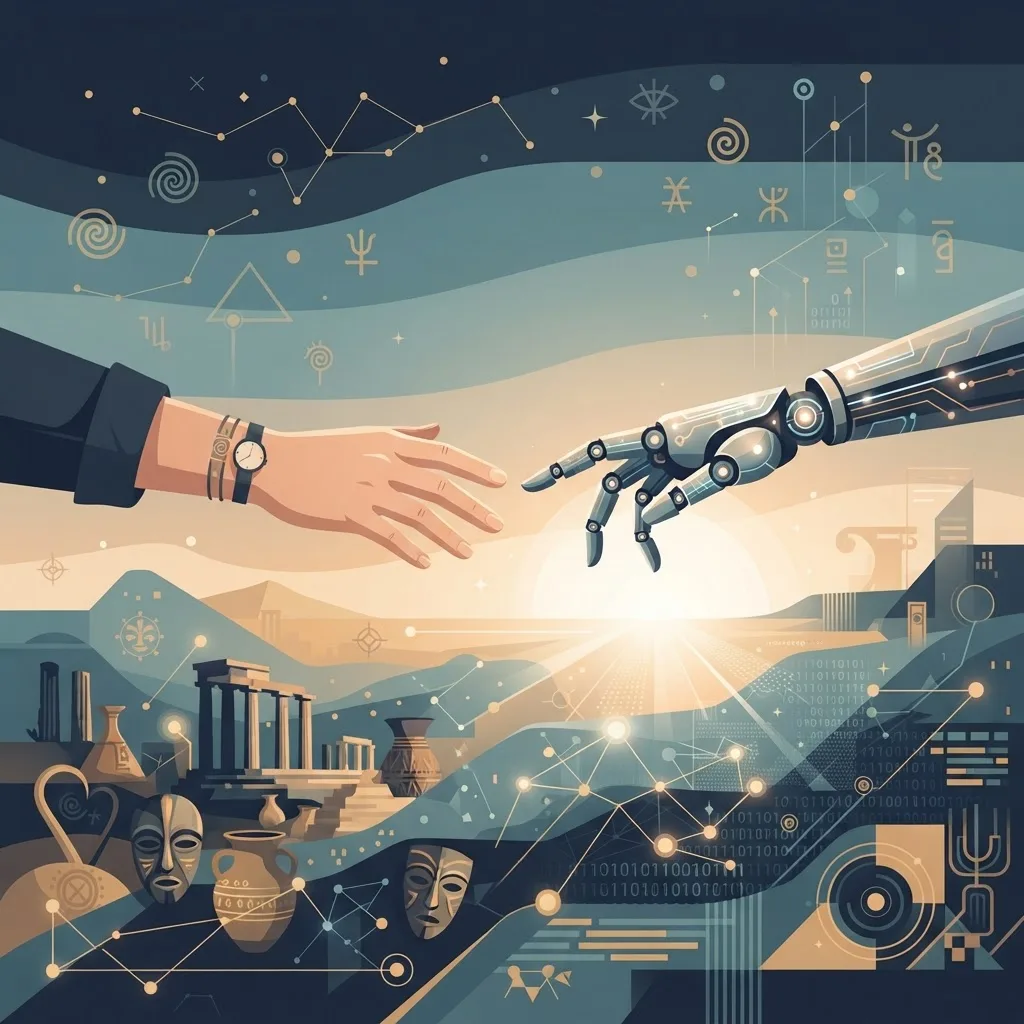
As AI becomes embedded in daily life, the demand for professionals who understand both humans and machines will grow. We are likely to see hybrid roles, AI ethicists, responsible-AI researchers, and human-computer interaction specialists, that draw directly on anthropological training. Governments and regulators are also moving in this direction, with frameworks like the EU AI Act requiring risk assessment that inherently demands social insight.
My own prediction, based on years of watching technical teams iterate, is that the most valuable AI companies of the next decade will be those that treat culture as a core engineering input, not a public-relations exercise. The organizations that ask "should we" as rigorously as they ask "can we" will build systems people actually want to live with.
Key Takeaways
- Anthropology studies human culture and behavior, providing the context AI needs to interpret data meaningfully.
- 65% of organizations reported regular use of generative AI in 2024 (McKinsey), making human oversight more urgent than ever.
- Cultural bias is a real, measurable risk; some facial-analysis systems showed error rates up to 34.7% for darker-skinned women versus under 1% for lighter-skinned men.
- AI also empowers anthropology, enabling large-scale analysis of cultural data and the preservation of endangered languages.
- Anthropologists on AI teams improve research design, reduce bias, and build user trust, functioning as a competitive advantage, not a cost.
Frequently Asked Questions (FAQ)
What is the connection between anthropology and artificial intelligence?
Anthropology studies human culture and behavior, while AI learns from human-generated data. The connection is context: anthropologists help AI teams interpret data meaningfully, reduce cultural bias, and design ethical systems. Together they produce technology that is more accurate, fair, and genuinely useful to real people.
Why do AI companies hire anthropologists?
AI companies hire anthropologists because technical accuracy alone does not guarantee a product works for real people. Anthropologists study how diverse users actually behave, identify hidden bias in data, anticipate ethical harm, and translate between engineers and the public, ultimately improving trust, adoption, and long-term success.
Can AI replace anthropologists?
No, AI cannot replace anthropologists. AI accelerates data analysis, coding transcripts, and detecting patterns, but it cannot interpret cultural nuance, irony, or social meaning on its own. Anthropology depends on human judgment and context, so AI works best as a powerful tool that supports rather than replaces researchers.
What is cultural bias in machine learning?
Cultural bias in machine learning happens when a model produces unfair or inaccurate results because its training data or design underrepresents certain groups. It often reflects historical inequalities in the data. Anthropological review helps teams spot missing populations and loaded assumptions before these biases cause real-world harm.
How does anthropology make AI more ethical?
Anthropology makes AI more ethical by grounding development in real human experience. Anthropologists map who is represented in data, test how models affect different communities, anticipate potential harm before launch, and advocate for affected users, ensuring AI systems respect cultural diversity and serve people fairly rather than reinforcing existing inequalities.
Final Thoughts
The pairing of anthropology and artificial intelligence is not a niche academic curiosity, it is a practical necessity. As algorithms increasingly mediate how we work, communicate, and make decisions, the discipline that best understands human beings has never been more relevant to the technology that seeks to serve them. The future of AI will be written by teams that combine technical skill with genuine cultural understanding, and that is a future worth building carefully.