
A clear, expert roundup of the most important AI news in July 2026, covering new models, AI agents, regulation, hardware, and enterprise adoption trends.
AI News July 2026 Latest AI Developments

Artificial intelligence moved faster in the first half of 2026 than in any comparable period before it, and July became a turning point where research breakthroughs finally met real-world deployment. If you manage a business, build software, or simply want to stay informed, the volume of announcements this month can feel overwhelming. This roundup cuts through the noise and explains what actually changed, why it matters, and how it affects your decisions right now.
Having tracked model releases, funding rounds, and policy shifts throughout the year, we have filtered dozens of headlines down to the developments with lasting impact. Everything below is organized so you can scan quickly, extract the facts you need, and act with confidence. For deeper technical services and strategy, teams like ZoneTechify and WebPeak continue to help businesses turn these trends into working systems.
Quick Answer: The biggest AI news in July 2026 centers on more capable multimodal models, the rapid rise of autonomous AI agents, tighter global regulation, faster and cheaper AI chips, and record enterprise adoption. Together these shifts make AI cheaper to run, easier to deploy, and far more integrated into daily business operations.
Why July 2026 Matters for AI
July 2026 stands out because the industry stopped chasing raw model size and started optimizing for usefulness, cost, and reliability. The conversation shifted from "how big is the model" to "how well does it complete real tasks without supervision." That reframing changes budgets, hiring, and product roadmaps across every sector.
According to Stanford's widely cited AI Index, the inference cost of running a GPT-3.5-level model dropped more than 280-fold between late 2022 and late 2024, and that downward curve has only steepened into 2026. Cheaper inference is the quiet force behind nearly every headline this month, because it lets companies deploy AI features that would have been financially impossible two years ago.

Next-Generation Multimodal Models
The most visible development is the new wave of multimodal models that handle text, images, audio, and video inside a single context window. Rather than bolting separate systems together, the latest releases reason across formats natively, which improves accuracy and cuts latency.
Multimodal AI refers to a model that accepts and generates more than one type of data, such as reading a chart image and explaining it in text, or watching a short video and summarizing the action. This definition matters because multimodal capability is now the baseline expectation, not a premium feature.
Three practical improvements defined July's model releases:
- Longer, cheaper context so models can process entire documents, codebases, or meeting transcripts in one pass.
- Stronger reasoning modes that break complex problems into steps before answering, reducing hallucinations.
- On-device variants small enough to run on laptops and phones, keeping sensitive data local.
For content and marketing teams, these upgrades mean higher-quality drafts and faster production. If you are scaling written output, pairing these tools with human editors through a structured process such as ZoneTechify's content writing service produces reliable results without sacrificing originality.

The Rise of Autonomous AI Agents
If 2024 was the year of chatbots, 2026 is the year of agents. AI agents are systems that plan multi-step tasks, use tools like browsers and APIs, and act toward a goal with minimal human input. July saw major platforms ship agent frameworks that businesses can actually trust with narrow, well-defined jobs.
The shift is significant because agents move AI from "answering questions" to "completing work." Instead of asking a model to draft an email, you can ask an agent to research a prospect, draft the email, schedule it, and log the activity in your CRM. Early enterprise pilots report meaningful time savings on repetitive workflows such as data entry, invoice processing, and customer triage.
That said, agents still require guardrails. In our experience deploying automation for clients, the successful pattern is narrow scope, human approval on high-risk actions, and detailed logging. Teams that skip these controls tend to see silent errors compound. Businesses exploring automation can build these safeguards with specialists like WebPeak's artificial intelligence services, which focus on production-ready, monitored deployments rather than fragile demos.

Global AI Regulation Tightens
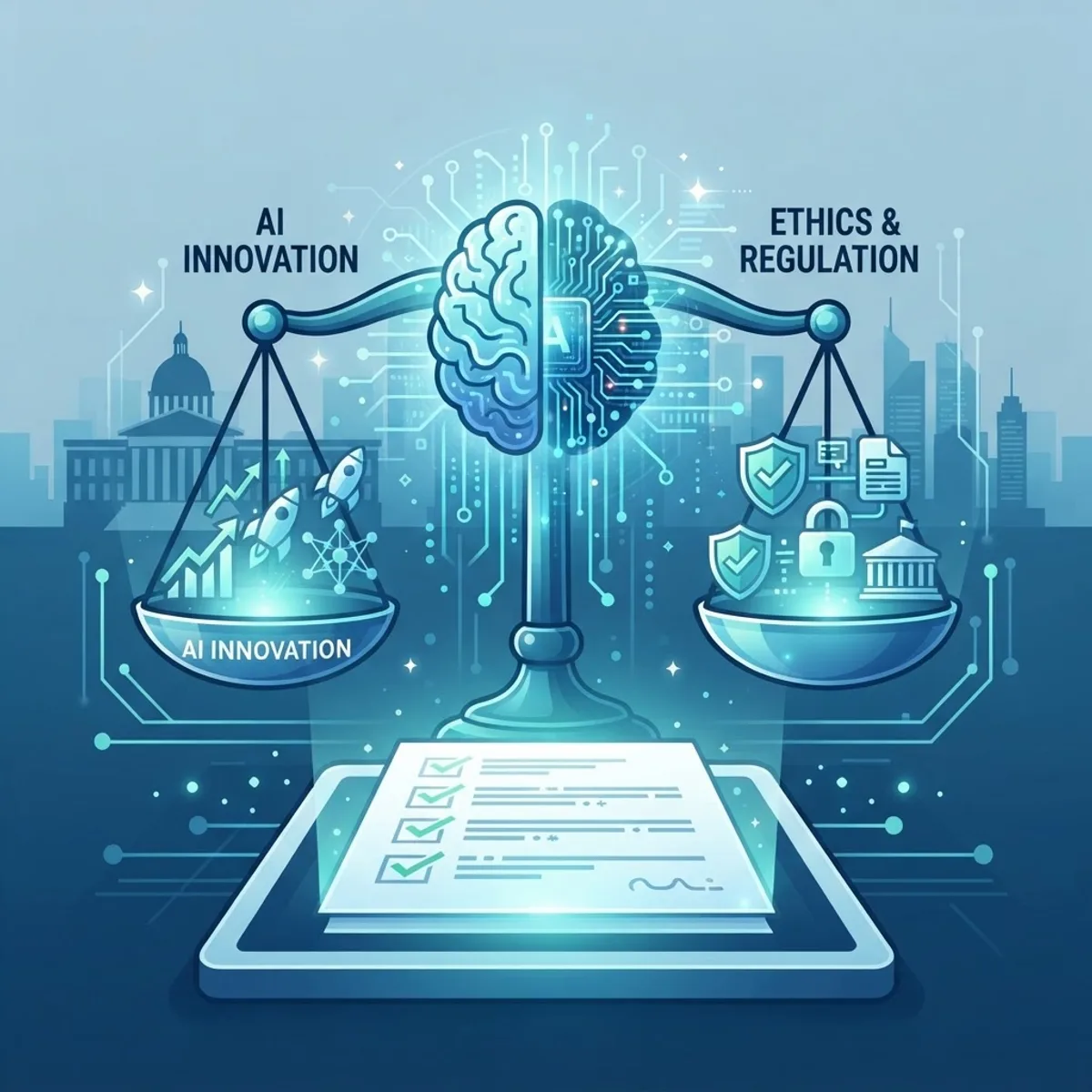
Regulation was one of the loudest themes in July 2026. The European Union's AI Act continued its phased rollout, with obligations for general-purpose and high-risk AI systems coming into force, and other regions accelerated their own frameworks in response. The direction is clear: transparency, documentation, and risk classification are becoming legal requirements, not optional best practices.
For most businesses, compliance now means three concrete habits: disclosing when users interact with AI, keeping records of how AI systems make consequential decisions, and testing models for bias and safety before launch. These steps protect users and reduce legal exposure, and they also build the trust that drives long-term adoption.
Faster, Cheaper AI Hardware
Hardware progress quietly powers everything else. July brought new AI accelerators optimized for inference rather than training, which is exactly what the market needs as companies move from experimentation to daily use. More efficient chips mean lower energy bills, faster responses, and the ability to run capable models closer to the user.
The competitive landscape also broadened. Custom silicon from cloud providers and challengers to established GPU makers increased supply and pushed prices down. Lower hardware costs feed directly back into that falling inference curve, creating a reinforcing loop where each generation of AI features becomes cheaper to ship than the last.

Enterprise Adoption Hits Record Levels
Adoption is no longer speculative. McKinsey's global surveys have shown organizational AI use jumping sharply, with a majority of companies now reporting AI in at least one business function, and generative AI adoption more than doubling within roughly a year of the technology going mainstream. July's earnings calls and case studies reinforced that momentum, especially in marketing, software development, and customer support.
The winners share a pattern: they start with a specific, measurable use case, integrate AI into existing tools instead of adding new silos, and measure outcomes rigorously. Companies that instead buy AI "because everyone else is" tend to stall. If you are modernizing your digital presence alongside AI adoption, combining strategy with strong execution through ZoneTechify's web development service helps ensure the technology actually reaches your customers.

AI Developments at a Glance
The table below compares the major July 2026 trends by maturity and immediate business impact.
| Development | Maturity | Immediate Business Impact | Watch Closely |
|---|---|---|---|
| Multimodal models | High | Better content, faster analysis | Yes |
| Autonomous AI agents | Medium | Task automation, fewer manual steps | Yes |
| AI regulation | Rising | Compliance and disclosure duties | Yes |
| AI hardware efficiency | High | Lower running costs | No |
| Enterprise adoption | High | Competitive pressure to act | Yes |
How to Act on July 2026's AI News
Staying informed is only useful if it changes what you do. Based on the month's developments, here are practical, low-risk steps any team can take now:
- Audit one workflow that is repetitive and rules-based, then test an AI agent on it with human approval.
- Adopt a cheaper, capable model for internal drafting and analysis to cut costs immediately.
- Document your AI usage so you are ready for tightening regulation before it becomes urgent.
- Measure outcomes such as time saved or error rates, not just adoption for its own sake.
Starting small protects you from overinvesting in tools that may change next month while still capturing real gains today.

Key Takeaways
- July 2026 marked a shift from bigger models to more useful, cheaper, and reliable AI.
- Inference costs for capable models have fallen dramatically, making AI features affordable to deploy at scale.
- Multimodal models that handle text, image, audio, and video natively are now the baseline standard.
- Autonomous AI agents can complete multi-step tasks but require narrow scope and human guardrails.
- Global regulation is expanding, making transparency and documentation legal necessities.
- Enterprise AI adoption has reached record levels, with the majority of organizations using AI in at least one function.
Frequently Asked Questions (FAQ)
What is the biggest AI news in July 2026?
The biggest news is the convergence of more capable multimodal models, practical autonomous AI agents, and record enterprise adoption. Combined with falling hardware and inference costs, AI became dramatically cheaper and easier to deploy, moving from experimental pilots into everyday business operations across most industries.
Are AI agents safe to use in business right now?
AI agents are safe when deployed carefully. Keep their scope narrow, require human approval for high-risk actions, and log everything they do. Used this way on repetitive tasks like data entry or triage, agents save real time. Skipping guardrails, however, allows small errors to compound quietly over time.
How is AI regulation changing in 2026?
Regulation is tightening globally, led by the phased rollout of the EU AI Act and similar frameworks elsewhere. Businesses increasingly must disclose AI use, document how systems make important decisions, and test for bias and safety. These requirements build user trust while reducing legal and reputational risk for companies.
Why is AI getting cheaper to use?
AI is getting cheaper because inference costs have dropped sharply and new hardware is optimized specifically for running models efficiently. More competition among chip makers increases supply and lowers prices. Together these forces let companies deploy AI features that were financially impossible just two years earlier, accelerating widespread adoption.
How should a small business start using AI in 2026?
Start with one repetitive, rules-based workflow and test a single AI tool or agent on it with human oversight. Measure the time saved and error rates before expanding. Integrating AI into existing tools rather than adding new systems keeps costs low and adoption smooth for small teams.