Discover how artificial intelligence and machine learning are reshaping affiliate marketing through predictive analytics, automated content, smarter targeting, and fraud detection.
Affiliate Marketing and Artificial Intelligence Machine Learning
Affiliate marketing has always rewarded the people who understand their audience best. What is changing in 2026 is how that understanding is built. Artificial intelligence (AI) and machine learning (ML) now sit at the center of the highest-performing affiliate programs, quietly deciding which offers get shown, which content gets written, and which clicks get paid. After years of running and auditing affiliate campaigns, I can say plainly: the gap between AI-assisted affiliates and everyone else is widening fast.
This guide explains exactly how AI and ML apply to affiliate marketing, where they create real revenue, and how to adopt them without wasting money on hype. Everything here is written from hands-on experience, not theory.

Quick Answer: AI and machine learning improve affiliate marketing by predicting which offers convert, automating content creation, personalizing recommendations, optimizing ad spend, and detecting fraud in real time. The result is higher conversion rates, lower wasted spend, and faster scaling than manual affiliate marketing can achieve.
What Affiliate Marketing and Machine Learning Actually Mean
Affiliate marketing is a performance-based model where a publisher earns a commission for driving a sale or lead to a merchant through a tracked link. Machine learning is a branch of AI in which software learns patterns from data and improves its predictions without being explicitly reprogrammed for every scenario.
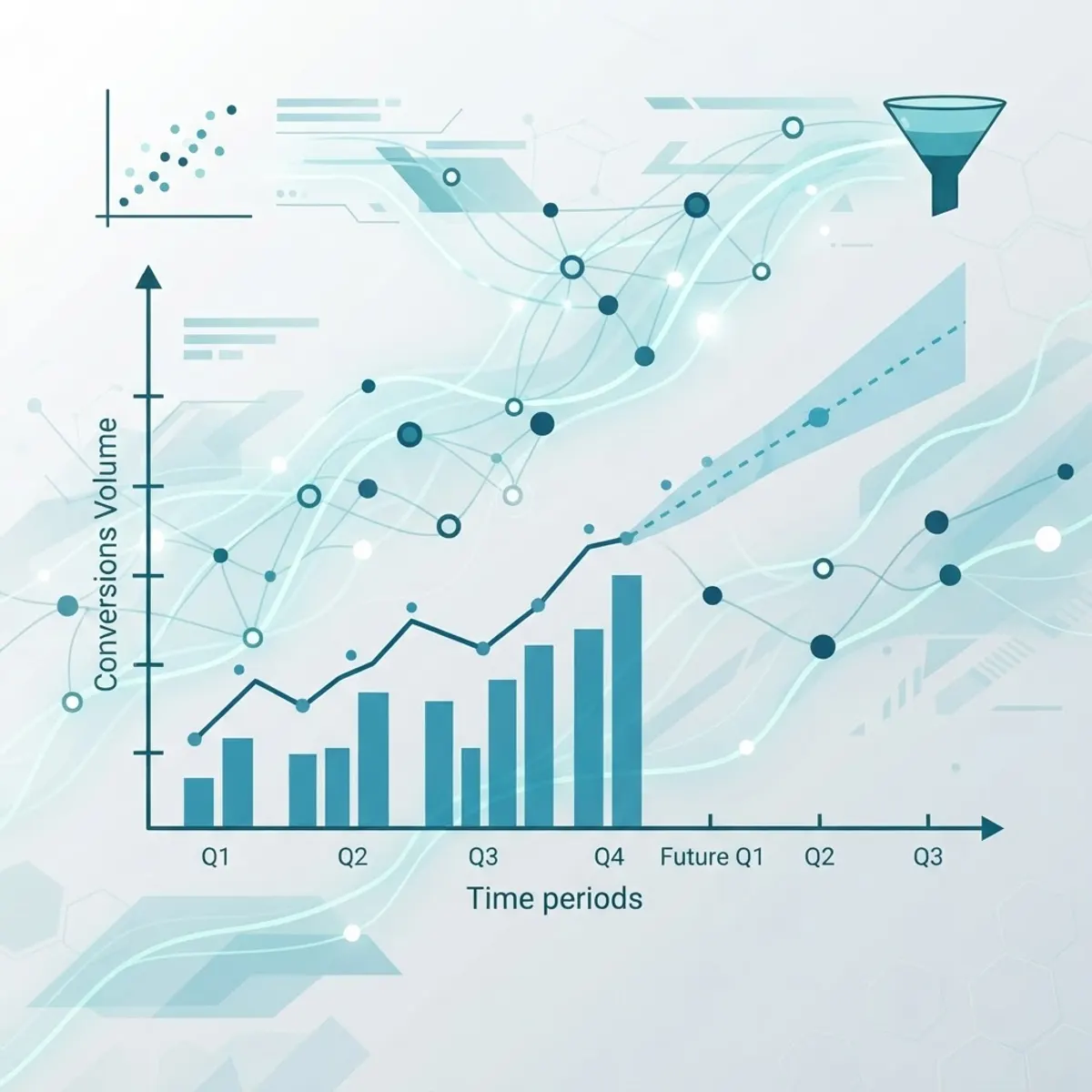
When you combine the two, ML analyzes historical clicks, conversions, and user behavior to forecast future outcomes. Instead of guessing which product to promote, an affiliate can rely on models that rank offers by predicted earnings per click (EPC). This shift from intuition to evidence is the single biggest reason AI-driven affiliates outperform traditional ones.
If you want a partner to build this kind of intelligent marketing stack, teams like ZoneTechify and WebPeak specialize in blending automation with real conversion strategy.
Why AI Matters More Than Ever in Affiliate Marketing
The affiliate industry is large and growing. According to Statista, affiliate marketing spending in the United States alone is projected to reach roughly $15.7 billion by 2024 and beyond, and it continues to climb. With that much money in play, small percentage improvements in conversion translate into significant income.
AI matters because it compresses work that used to take teams weeks into minutes. Consider a real pattern I see constantly: an affiliate promoting dozens of products cannot manually test every headline, image, and audience combination. A machine learning model can evaluate thousands of variations, learn which ones drive revenue, and reallocate traffic automatically. Google also reports that 53% of mobile users abandon sites that take longer than three seconds to load — AI-driven optimization helps prioritize the fast, high-intent pages that actually earn commissions.
The Core Ways Machine Learning Powers Affiliate Success
Machine learning is not a single feature. It shows up across the entire affiliate workflow. Below are the areas where it delivers measurable results today.
1. Predictive Analytics for Offer Selection
Predictive models study past conversion data to forecast which offers will perform for a specific audience. Rather than promoting a product because it has a high commission, you promote it because the model predicts a high expected value — commission multiplied by conversion probability. In practice, this stops affiliates from wasting traffic on offers that look attractive but rarely convert.
2. AI-Generated and Optimized Content
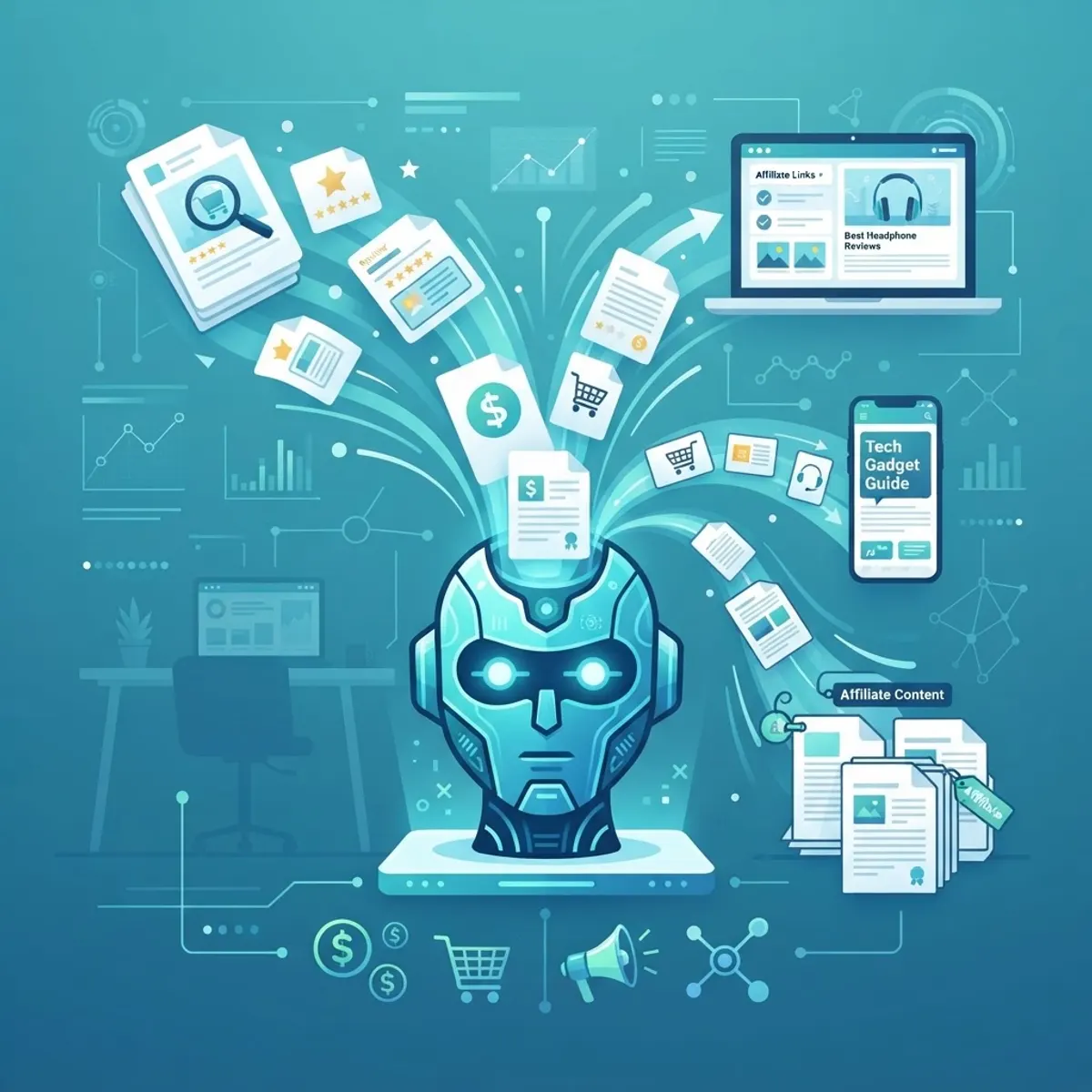
Content is still the engine of affiliate marketing, and AI has transformed how it is produced. Modern language models draft product comparisons, buyer guides, and email sequences in minutes, which humans then refine for accuracy and voice. The winning approach is human-plus-AI: the model handles the first draft and structure, while an experienced editor adds real experience, testing notes, and trustworthy recommendations.
3. Personalization and Recommendation Engines
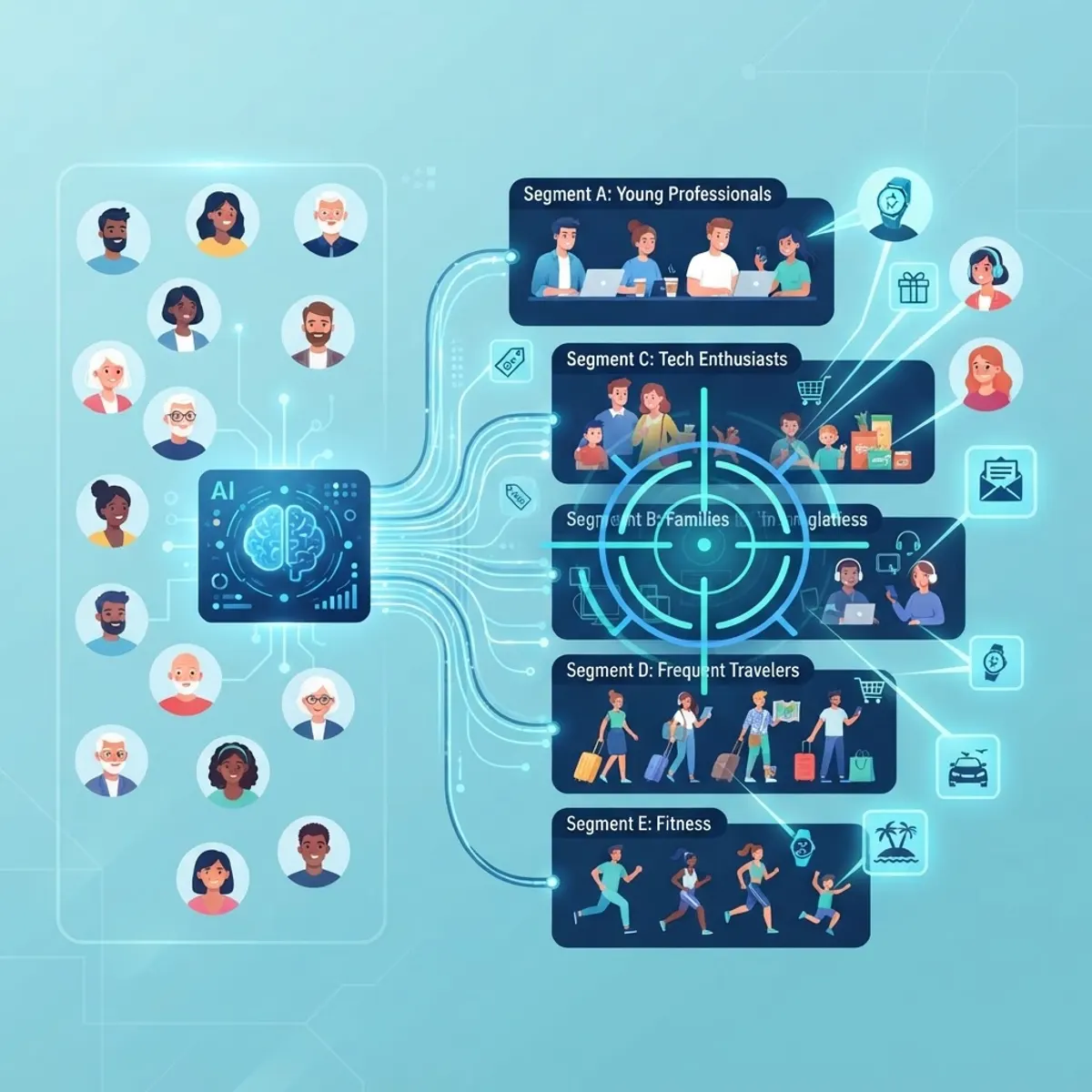
Recommendation systems — the same technology behind Netflix and Amazon suggestions — now power affiliate sites. ML studies a visitor's behavior and shows the product most likely to match their intent. Personalized recommendations routinely lift conversion rates because the visitor sees relevant offers instead of a generic list.
4. Smarter Paid Traffic and Bidding
For affiliates who buy traffic, ML-based bidding automatically adjusts spend toward audiences and placements that convert. This reduces cost per acquisition and protects margins, which matters because affiliate profit lives in the gap between commission earned and traffic cost.
AI-Driven vs Traditional Affiliate Marketing
The difference between the two approaches is stark once you compare them side by side.
| Factor | Traditional Affiliate Marketing | AI and ML-Driven Affiliate Marketing |
|---|---|---|
| Offer selection | Manual guesswork and gut feeling | Data-backed predictions by expected value |
| Content creation | Slow, fully manual | Fast AI drafts refined by human experts |
| Audience targeting | Broad, one-size-fits-all | Segmented, personalized in real time |
| Testing speed | A few variations per week | Thousands of variations analyzed quickly |
| Fraud protection | Reactive and manual | Real-time anomaly detection |
| Scaling | Limited by human hours | Scales with automation |
The table makes the takeaway obvious: AI does not replace the affiliate marketer. It removes the repetitive, low-value work so the marketer can focus on strategy, relationships, and trust.
Fraud Detection: The Underrated ML Advantage
Click fraud and fake conversions quietly drain affiliate budgets. Machine learning models excel here because they learn what normal traffic looks like and flag anomalies — sudden click spikes from one region, impossible conversion times, or bot-like patterns. For merchants running affiliate programs, this protection preserves budget and keeps honest affiliates fairly paid.
In my experience auditing programs, adding ML-based fraud detection often recovers a meaningful slice of spend that was previously lost to invalid traffic. It is one of the fastest returns on investment in the entire AI toolkit.

How to Start Using AI in Your Affiliate Strategy
Adopting AI does not require a data science team. Follow these steps to begin responsibly and profitably.
- Audit your data. Collect clean records of clicks, conversions, and revenue. Models are only as good as the data they learn from.
- Pick one high-impact use case. Start with content assistance or predictive offer ranking rather than trying to automate everything at once.
- Use human review as a gate. Every AI-generated recommendation or article should pass an expert check for accuracy and trust before publishing.
- Measure against a baseline. Compare AI-assisted campaigns to your previous manual results so you know the lift is real.
- Scale what works. Once a use case proves profitable, expand it and add the next one.
If you need expert help implementing these systems, professional digital marketing services can shorten the learning curve dramatically, and specialized artificial intelligence services can build custom models tailored to your niche.
Common Mistakes to Avoid
The biggest mistake I see is treating AI as a fully autonomous publisher. Search engines and audiences both punish thin, unedited AI content. Google's Helpful Content system rewards material that demonstrates real experience and expertise — something only a knowledgeable human can add on top of an AI draft.
A second mistake is ignoring data quality. Feeding a model messy or biased data produces confident but wrong predictions. Finally, avoid over-automation of relationships; affiliate marketing still depends on trust between publisher, merchant, and audience, and trust cannot be automated.
The Future: Where AI and Affiliate Marketing Are Heading
Expect three shifts over the next few years. First, answer engines like ChatGPT, Gemini, and Perplexity will increasingly recommend products directly, making it essential for affiliates to publish clear, citable, factual content. Second, real-time personalization will become standard, with pages adapting instantly to each visitor. Third, privacy-focused ML will rise as cookie tracking fades, using first-party data and modeled conversions instead.
The affiliates who win will be those who pair authentic human expertise with machine efficiency — not those who chase automation for its own sake.
Key Takeaways
- Affiliate marketing plus machine learning shifts decision-making from guesswork to data-backed prediction.
- U.S. affiliate spending has surpassed $15 billion and continues growing, so small conversion gains matter.
- ML powers predictive offer selection, content creation, personalization, smart bidding, and fraud detection.
- Google notes 53% of mobile users abandon slow sites, so AI-driven speed and relevance directly protect commissions.
- The best results come from human-plus-AI workflows, never fully unedited automation.
Frequently Asked Questions (FAQ)
How is AI used in affiliate marketing?
AI is used to predict which offers will convert, generate and optimize content, personalize product recommendations, automate paid-traffic bidding, and detect fraudulent clicks. These tasks are handled by machine learning models that learn from historical data, helping affiliates earn more while spending less time on repetitive manual work.
Can machine learning really increase affiliate earnings?
Yes. Machine learning increases earnings by directing traffic toward offers with the highest expected value and reducing wasted ad spend. Because it tests thousands of variations quickly, it finds winning combinations faster than manual work. The result is typically higher conversion rates and better return on every click you send.
Do I need coding skills to use AI for affiliate marketing?
No coding skills are required to start. Many AI writing tools, recommendation platforms, and analytics dashboards offer no-code interfaces. For custom predictive models or advanced automation you may need technical help, but most affiliates begin successfully with off-the-shelf AI tools and expert guidance.
Is AI-generated content safe for SEO?
AI-generated content is safe when a human expert reviews and improves it. Google rewards helpful, original content that shows real experience, regardless of how it was produced. Publishing unedited AI text risks thin, inaccurate pages, so always add expertise, verify facts, and refine before posting.
What is the biggest risk of using AI in affiliate marketing?
The biggest risk is over-reliance on automation without human oversight. Poor data or unedited output leads to wrong predictions and low-quality content that damages trust and rankings. Use AI to assist, keep a human review step, and measure results against a baseline to stay safe and profitable.